TÜRKİYE PUBLIC AND MUNICIPAL RENEWABLE ENERGY PROJECT (PUMREP)
1,962 KWP/1,600 KWE SOLAR POWER PLANT PROJECT OF SARIKAYA MUNICIPALITY
Environmental and Social Management Plan (ESMP)
October, 2025
|
Sub-project Information
|
|
Sub-project
|
Details
|
|
Name
|
The Turkish Public and Municipal Renewable Energy Project (PUMREP)
1,962 kWp/1,600 kWe Solar Power Plant Project of Sarıkaya Municipality
|
|
Project Owner/Sub-borrower
|
Sarıkaya Municipality
|
|
Financial Intermediary
|
İller Bankası A.Ş. (İLBANK)
|
|
Prepared by
|
CA Engineering
|
This Environmental and Social Management Plan has been prepared by CA Engineering on behalf of Sarıkaya Municipality within the scope of Türkiye Public and Municipal Renewable Energy Project (PUMREP) supported by the World Bank (WB) with ILBANK as the financial intermediary.
|
Revision
|
Submitted to
|
Issue Date
|
Revision Details
|
|
V1
|
ILBANK
|
July 18, 2025
|
Draft
|
|
V2
|
ILBANK
|
Sept 18, 2025
|
Draft
|
|
V3
|
ILBANK
|
Oct 8, 2025
|
Draft
|
This document has been prepared by CA Engineering.
Table of Contents
List of Tables. 7
List of Figures. 8
Abbreviations. 9
GLOSSARY OF TERMS. 11
EXECUTIVE SUMMARY. 12
1 INTRODUCTION. 14
1.1 Backround. 14
1.2 Objective of the ESMP. 15
1.3 Overview of E&S Requirements Applicable to the Subproject 15
1.4 Review and Update. 15
1.5 Implementation Arrangements. 16
2 SUB-PROJECT DESCRITION. 17
2.1 Sub-project Information. 17
2.1.1 Sub-project Location. 17
2.1.2 Site Access Road. 19
2.1.3 Energy Transmission Line (ETL) 20
2.1.4 Sub-project Area of Influence. 20
2.2 Environmental and Social Baseline. 22
2.3 Environmental Baseline. 22
2.3.1 Geology and Seismicity. 22
2.3.2 Hydrographic Characteristics. 23
2.3.3 Air Quality. 24
2.3.4 Environmental Noise. 24
2.3.5 Cultural Heritage. 24
2.3.6 Biodivesity. 25
2.4 Socio-economic Baseline. 26
2.4.1 Demography and population. 26
2.4.2 Infrastructure Services. 26
2.4.3 Vulnerable and Disadvantaged Individuals/Groups. 26
2.4.4 Education and Health Services. 27
2.4.5 Land Ownership Status and Land Use by Affected People. 27
2.4.6 Means of livelihood and Employment 28
2.4.7 Transportation and traffic. 29
3 SUB-PROJECT ACTIVIES. 30
3.1.1 Construction Facilities. 32
3.2 Operation Phase. 33
3.2.1 Operation Activities. 33
3.2.2 Operation Facilities. 34
3.3 Labor Requirements. 35
3.4 Land Acquisition Status. 35
3.5 Permitting Status. 35
4 ESMP MATRIX: RISK AND IMPACTS, MITIGATION, MONITORING.. 37
4.1 E&S Risk and Impacts of the Sub-project 37
4.1.1 Construction Phase. 38
4.1.2 Operation Phase. 45
4.2 Construction ESMP Matrix. 47
4.3 Operation ESMP Matrix. 68
4.4 Monitoring and Reporting. 81
4.5 List of Associated Plans and Procedures. 103
4.6 Management of Change. 103
5 CAPACITY DEVELOPMENT AND TRAINING.. 105
5.1 Project Management and Construction Supervision. 105
5.2 Project Implementation Unit 110
6 IMPLEMENTATION SCHEDULE AND COST ESTIMATES. 111
6.1 Implementation Schedule. 111
6.2 Cost Estimates. 112
ANNEXES. 115
Annex A . List of the Individuals/Organizations that Prepared or Contributed to the ESMP. 116
Annex B . Existing Permitting Documentation. 117
Annex C . Title Deeds. 120
Annex D . Site Photographs. 123
Annex E . E&S Incident Notication Form Template. 126
Annex F . E&S Incident Investigation Form Template. 130
Annex G . Chance Find Procedure. 134
Annex H . Institutional and Legal Framework in Türkiye. 139
Annex İ . Flora and Fauna. 146
Annex J . Calculation of dust emissions from topsoil stripping. 149
Annex K . Noise Calculation. 153
List of Tables
Table 1.Relevance of the WB ESSs to the sub-project 14
Table 2. Key Technical Information on Subproject 16
Table 3. Sub-project location details. 17
Table 4. Summary of Baseline Field Studies. 21
Table 5. Kayapınar Neighborhood vulnerable and disadvantage groups. 26
Table 6. Construction Facilities. 31
Table 7. Operation Facilities. 33
Table 8. Labor Requirements of the Subproject 34
Table 9. Control of Industrial Air Pollution. 39
Table 11. Usage periods of the work machines to be used in the facility. 40
Table 12. Diesel Properties. 41
Table 13. Emission Factors Used in Calculations. 41
Table 13. Emission calculations. 41
Table 14. Amount of Emission. 42
Table 15. Comparison of total emissions with limit values. 42
Table 16. Equivalent Noise level to the distances According to Distribution. 43
Table 18. Environmental Noise Level Limit Values (Environmental Noise Control Regulation) 43
Table 19. IFC General EHS Guides Noise Levels. 44
Table 20. Key Performance Indicators for Both Construction and Operation Phases of the Sub-project 83
Table 21. Construction of Environmental and Social Monitoring Table. 86
Table 22. Operation of Environmental and Social Monitoring Table. 94
Table 22. Plans and Procedures associated. 106
Table 23. The roles and responsibilities of the relevant institutions involved in the management, monitoring, implementation and termination of the subproject 109
Table 25. Implement Schedule. 114
Table 25. ESMP Cost Breakdown for Implementation and Monitoring. 116
Table 27. The relevant laws, several regulations or communiques. 140
List of Figures
Figure 1. Sub-project Location. 18
Figure 2. Sub-project layout plan. 19
Figure 3. Sub-project Access Road. 20
Figure 4. Sub-project ETL. 20
Figure 5. Sub-project AoI 22
Figure 6. Sub-project Seismicity Map (https://tdth.afad.gov.tr/TDTH/) 23
Figure 7. Sub-project Site Water Resources Map (Ministry of Agriculture and Forestry National Water Information System) 24
Figure 8. The closest cultural heritage. 25
Figure 9. Picnic/park area. 28
Figure 10. The planned layouts of the facilities within the site. 33
Abbreviations
|
AFAD
|
Disaster and Emergency Management Authority
|
|
AoI
|
Area of Influence
|
|
CITES
|
Convention on the International Trade in Endangered Species of Wild Flora and Fauna
|
|
CSR
|
Corporate Social Responsibility
|
|
CWA
|
Critical Wildlife Area
|
|
DCF
|
Discounted Cash Analysis
|
|
EIA
|
Environmental Impact Assessment
|
|
EHS
|
Environmental Health and Safety
|
|
EMRA
|
Energy Market Regulatory Authority
|
|
ESF
|
Environmental and Social Framework
|
|
ESMP
|
Environmental and Social Management Plan
|
|
ESMR
|
Environmental and Social Monitoring Report
|
|
ESMS
|
Environmental and Social Management System
|
|
ESS
|
Environmental and Social Standard
|
|
ETL
|
Energy Transmission Line
|
|
E&S
|
Environmental and Social
|
|
EU
|
European Union
|
|
FI
|
Financial Intermediary
|
|
GHG
|
Greenhouse Gas
|
|
GIIP
|
Good International Industry Practice
|
|
GM
|
Grievance Mechanism
|
|
GIS
|
Geographic Information Systems
|
|
IFIs
|
International Finance Institutions
|
|
IA
|
Impact Assessment
|
|
ILO
|
International Labor Organization
|
|
ILBANK
|
Iller Bankası A.S.
|
|
KPIs
|
Key Performance Indicators
|
|
LOTO
|
Lockout Tagout
|
|
MoEUCC
|
Ministry of Environment, Urbanization and Climate Change
|
|
MTA
|
General Directorate of Mineral Research and Exploration
|
|
MW
|
Medium Voltage
|
|
OG
|
Official Gazette
|
|
OHS
|
Occupational Health and Safety
|
|
PMU
|
Project Management Unit
|
|
PIU
|
Project Implementation Unit
|
|
PPE
|
Personal Protective Equipment
|
|
PUMREP
|
The Turkish Public and Municipal Renewable Energy Project
|
|
RCA
|
Root Cause Analysis
|
|
RE
|
Renewable Energy
|
|
SEA/SH
|
Sexual Exploitation and Abuse / Sexual Harassment
|
|
SEP
|
Stakeholder Engagement Plan
|
|
SPP
|
Solar Power Plant
|
|
Sub-project
|
Sarıkaya Municipality 1,962 kWp/1,600 kWe Solar Power Plant Project
|
|
TAP
|
Türkiye Portable Battery Manufacturers and Importers Association
|
|
TurkStat
|
Turkish Statistical Institute
|
|
UICN
|
International Union for the Conservation of Nature
|
|
WB
|
World Bank
|
|
WBG
|
World Bank Group
|
GLOSSARY OF TERMS
|
Associated facilities
|
Facilities or activities that are not funded as part of the subproject and are:
(a) directly and significantly related to the Subproject;
(b) carried out, or planned to be carried out, contemporaneously with the Subproject; and
(c) necessary for the project to be viable and would not have been constructed, expanded or conducted if the Subproject did not exist.
For facilities or activities to be Associated Facilities, they must meet all three criteria.
|
|
Contractor
|
A person or organization providing services to an employer at the client worksite in accordance with agreed specifications, terms and conditions.
|
|
Excavated material
|
Materials/soils that are generated as a result of excavation and other similar activities carried out prior to construction
|
|
Legally protected area
|
Designated terrestrial, aquatic or marine ecosystems managed under the related legislation to protect and sustain the biodiversity features, natural and associated cultural resources.
Legally protected areas of Türkiye include a diversity of natural ecosystems and associated features ranging from coastal zones to mountains, deltas, forests, plains, steppe, lakes, river systems, deep valleys, canyons, and glaciers.
|
|
Material borrow site
|
Sites, where loose material containing gravel, sand, silt, and clay, which is formed by the natural and geological processes of rock fracturing, fragmentation, alteration, transportation, and/or in-situ sedimentation, and which has the characteristics of slope debris, are extracted to be used as fill material.
|
|
Off-site accommodation
|
Accommodation of workers at hotels, rented housing, etc. available in the vicinity of subproject area.
|
|
On-site accommodation
|
Accommodation of workers at temporary exploration camps, construction camps, dormitories, etc. established for the subproject on site.
|
|
Risk
|
A combination of the likelihood of an occurrence of a hazardous event and the severity of injury or damage to the health of people caused by this event.
|
|
Topsoil
|
Part of soil that provides organic and inorganic materials, air and water required for vegetative growth, and is required to be stored separate from the subsoil.
|
EXECUTIVE SUMMARY
The Türkiye Public and Municipal Renewable Energy Project (PUMREP) aims to support the Government of Türkiye in promoting the use of Renewable Energy (RE) in the public sector, with a focus on central government buildings and municipalities. The project will contribute to expanding the distributed RE market in public facilities, assist the country in fulfilling its climate mitigation commitments, and help showcase leadership in the public sector by utilizing sustainable energy solutions to enhance energy security.
Component 1 will support the introduction of renewable energy (RE) technologies in central government and central-government-affiliated buildings, such as public buildings managed by central ministries, universities, and hospitals. This component will be implemented by the General Directorate of Construction Affairs (GDCA) under the Ministry of Environment, Urbanization, and Climate Change (MoEUCC).
- Sub-component 1a will primarily focus on RE investments in photovoltaic (PV) panels.
- Sub-component 1b will integrate RE investments with heat pumps and efficient lighting installations in 3 to 5 pilot buildings.
Component 2 will facilitate the adoption of RE technologies in municipalities, with implementation by Iller Bankası A.S. (ILBANK). These installations aim to reduce the overall energy consumption of public facilities—such as administrative buildings, water supply systems, water treatment plants, and public lighting—resulting in lower energy costs for municipalities. Planned subprojects include:
- Solar PV installations (both rooftop and ground-mounted).
- Wind energy systems.
- In-pipe micro-hydropower solutions, which use hydro turbines to generate energy from water flowing through existing pipelines in utility or treatment facilities.
Component 3 will finance activities related to project management and implementation support. These include:
- Costs for project development for initial subprojects, including marketing and outreach.
- Preparation and technical review of feasibility studies.
- Day-to-day project management tasks, such as drafting bidding documents, managing tendering processes, overseeing contracts, and supervising installations and construction works.
This component will be jointly implemented by MoEUCC and ILBANK.
PUMREP will be financed by the World Bank (WB) to support the use of RE technologies in municipalities. ILBANK will act as the Financial Intermediary (FI). RE installations will primarily be used to balance overall energy consumption originating from public facilities (e.g., administrative buildings, water supply and treatment facilities, public lighting, etc.) and thereby reduce the energy bills of municipalities.
ILBANK established an Environmental and Social Management System (ESMS) that came into effect on December 24, 2023. The ESMS aims to systematically identify, assess, manage, monitor, and report the environmental and social (E&S) risks and impacts of projects and sub-projects financed by International Financial Institutions (IFIs). This process must be continuously implemented throughout the loan duration in line with the requirements of national legislation, international agreements and treaties ratified by Türkiye, and the E&S standards of the lending IFIs (the World Bank for PUMREP). As a critical element of the ESMS, ILBANK has adopted and published an E&S Policy applicable to all ILBANK projects and sub-projects financed through IFIs.
The Municipality of Sarıkaya has prepared solar power plant installation projects to reduce the budget allocated for electricity expenses and to meet its energy needs from sustainable and renewable sources. These sub-projects are included under PUMREP Component-2.
The sub-project is categorized as of Moderate Risk as per the Risk Screening conducted under ILBANK ESMS. One of the tasks under the scope of the project is the preparation of an Environmental and Social Management Plan (ESMP) in accordance with ILBANK’s ESMS and Word Bank Environmental and Social Framework (WB ESF) including applicable Environmental and Social Standards (ESSs), World Bank Group (WBG) General Environment Health and Safety (EHS) Guidelines and Industry Sector EHS Guidelines, and the national legislation in force in Türkiye.
The ESMP for the sub-project outlines the measures to reduce the potential environmental and social impacts throughout the life cycle of the sub-project. This plan is important to ensure that the projects comply with national and international environmental regulations and social guarantees. The ESMP for the sub-project outlines the measures to reduce the potential environmental and social impacts throughout the life cycle of the sub-project. This ESMP is important to ensure that the sub-projects comply with national and international environmental regulations and social guarantees.
For the facility subject to the subproject, the Yozgat Governorate Provincial Directorate of Environment, Urbanization and Climate Change issued a decision for the EIA Regulation, numbered 32572110 220-02 E-202510, dated March 5, 2025, stating that "EIA Not Required" (Annex B) in accordance with the EIA Regulation, which entered into force in the Official Gazette No. 29186 dated November 25, 2014.
A solar Power Plant Project (1,962 kWp / 1,600 kWe) is planned within the borders of lot 22 of block 241 in Kayapınar neighborhood, Sarıkaya District, Yozgat Province. The ownership of the areas where the Solar Power Plant (SPP) will be established within the scope of the sub-project in question belongs of Sarıkaya Municipality. The ownership of the sub-project site belongs to the General Directorate of National Real Estate and its pre-allocation was made to Sarıkaya Municipality on 21.10.2021. With the expiration of the allocation period, a request for pre-allocation was made on 06.11.2023 and a two-year pre-allocation was made on 22.01.2024(Annex C).
The sub-project is expected to cover 68.79% of Sarıkaya Municipality’s total energy consumption. Solar energy, a renewable and clean energy source, will prevent approximately 1,980 tons of carbon emissions annually (Annex L). When scaled, this amount of energy produced is equivalent to the annual electricity consumption of approximately 1,278 households.
During and after the installation of the plant, utmost attention should be paid to occupational health and hazards. Maintenance and repairs should be carried out in accordance with the handbook prepared by the contractor company and/or the manufacturer. Personnel should not be employed at the plant without training, and training should be planned in a theoretical and practical manner.
It is also important to take precautions against different scenarios for emergency action plans. Although it was seen as a result of studies conducted in the region that the region does not carry a natural disaster risk such as flood, landslide and avalanche, the possibility of situations such as fire etc. should be taken into consideration and necessary precautions should be taken.
The closest settlements to the area where the facility will be built are Kayapınar Neighbourhood, 650 meters away. However, there is a house and park 200 meters away from the sub-project site.
1 INTRODUCTION
1.1 Backround
The Türkiye Public and Municipal Renewable Energy Project (PUMREP) aims to support the Government of Türkiye in expanding the use of Renewable Energy (RE) in the public sector, focusing on central government buildings and municipalities. The project will contribute to the expansion of the distributed RE market in public facilities, helping to demonstrate leadership in the public sector in using sustainable energy solutions to meet the country’s climate mitigation commitments and increase energy security.
The PUMREP will support the Government of Türkiye to scale-up renewable energy use in the public sector by focusing on central government buildings and municipalities. The Project will contribute to expanding the distributed RE market in public facilities by addressing the barriers discussed above and help demonstrate leadership in the public sector to use sustainable energy solutions to deliver on the country’s climate mitigation commitment and enhance energy security. The Project Development Objective (PDO) is to support the power sector decarbonization through increasing the use of RE in public facilities.
PUMREP will be financed by the WB to support the use of RE technologies in municipalities. ILBANK will act as the Financial Intermediary (FI). RE installations will primarily be used to offset the overall energy consumption from public facilities (e.g. administrative buildings, water supply and water treatment, public lighting, etc.), thereby reducing municipalities’ energy bills.
ILBANK has established an Environmental and Social Management System (ESMS) that is effective since December 24, 2023. The ESMS aims to systematically identify, assess, manage, monitor and report environmental and social (E&S) risks and impacts of projects and sub-projects financed by International Finance Institutions (IFIs). This process should be implemented continuously throughout the loan lifecycle in line with the requirements of national legislation, international agreements and contracts ratified by Türkiye and the E&S standards of the lending IFIs (World Bank for PUMREP). As a critical element of the ESMS, ILBANK has adopted and published an E&S Policy applicable to all ILBANK projects and sub-projects financed through IFIs.
Within the scope of the ILBANK ESMS and the World Bank ESF, projects are classified as High Risk, Significant Risk, Medium Risk or Low Risk, taking into account the relevant potential risks and impacts, such as the type, location, sensitivity and scale of the project; the nature and magnitude of potential E&S risks and impacts; the capacity and commitment of the sub-borrower; and other relevant risk areas that may lead to undesirable impacts.
The "Sarıkaya Municipality 1,962 kWp/1,600 kWe Solar Power Plant Project" (sub-project) is planned to be carried out by the Yozgat province, Sarıkaya district, Kayapınar neighborhood, lot 22 of block 241. The Sarıkaya Municipality 1,962 kWp/1,600 kWe solar energy project is within the scope of EIA due to its capacity in accordance with the national EIA Regulation enacted with the Official Gazette dated 29.07.2022 and numbered 31907. Approval letters have been received from the relevant Ministry of Environment, Urbanization and Climate Change (MoEUCC) for the Sub project and the EIA Not Required decision (32572110 220-02 E-202510, dated March 5, 2025) in Annex B has been obtained.
ILBANK considers financing the subproject under the PUMREP. In line with the ESMS, ILBANK carried out an E&S screening and risk classification of the subproject and rated the activity as having “Moderate” E&S risk. The Sub-borrower has retained a third-party consultancy company for the preparation of the E&S instruments required as per the E&S risk category assigned to the subproject.
This Environmental and Social Management Plan (ESMP) has been prepared by CA Engineering for the Subproject in line with the applicable E&S requirements as set out in Section 5. List of the Individuals/Organizations that Prepared or Contributed to the ESMP development is presented in Annex A.
A stand-alone Stakeholder Engagement Plan (SEP) has also been developed for the sub-project.
1.2 Objective of the ESMP
This ESMP has been prepared to detail the measures to be taken during the implementation and operation (throughout the sub-financing agreement life cycle) of the subproject to eliminate or offset adverse E&S impacts, or to reduce them to acceptable levels; and the actions needed to implement these measures.
1.3 Overview of E&S Requirements Applicable to the Subproject
The subproject will be implemented in compliance with the requirements of the applicable national legislation and international agreements and conventions to which Türkiye is a party of, and in accordance with the following international requirements:
- ILBANK Environmental and Social Management System (ESMS)
- WB Environmental and Social Framework (ESF, 2018) and the Environmental and Social Standards (ESSs) forming part of the ESF
- World Bank Group (WBG) General Environment, Health and Safety Guidelines (2007)
- WBG EHS Guidelines for Electric Power Transmission and Distribution (2007)
Table 1 identifies the relevance of the WB ESSs to the subproject.
Table 1.Relevance of the WB ESSs to the sub-project
|
ESSs
|
Definition
|
Relevance to the Subproject
|
|
ESS 1
|
Assessment and Management of E&S Risks and Impacts
|
Relevant
|
|
ESS 2
|
Labor and Working Conditions
|
Relevant
|
|
ESS 3
|
Resource Efficiency and Pollution Prevention and Management
|
Relevant
|
|
ESS 4
|
Community Health and Safety
|
Relevant
|
|
ESS 5
|
Land Acquisition, Restrictions on Land Use and Involuntary Resettlement
|
Relevant
|
|
ESS 6
|
Biodiversity Conservation and Sustainable Management of Living Natural Resources
|
Relevant
|
|
ESS 7
|
Indigenous Peoples/Sub-Saharan African Historically Underserved Traditional Local Communities
|
Not relevant in Türkiye
|
|
ESS 8
|
Cultural Heritage
|
Relevant
|
|
ESS 9
|
Financial Intermediaries
|
Not relevant to subproject
|
|
ESS 10
|
Stakeholder Engagement and Information Disclosure
|
Relevant
|
When national requirements differ from the levels and measures presented in the EHSGs, the sub-project will achieve or implement whichever is more stringent.
A summary of the national legislation and international standards applicable to the management of environmental, social, health, and safety aspects of the sub-project is provided in Annex H.
1.4 Review and Update
This ESMP will be reviewed and updated by the Sub-borrower during subproject implementation as necessary to reflect changes in national legislative framework, ILBANK’s policies and other developments or in specific circumstances such as in case there are changes in the organization structure, following significant incidents, following incorporation of new tools, software or database into the ILBANK E&S Risk Management System, etc.
The Sub-borrower will notify ILBANK of any update to the ESMP.
The Sub-borrower will ensure that changes to the ESMP do not result in deviation from the requirements set forth by the national legislation and the E&S requirements applicable to the sub-project.
1.5 Implementation Arrangements
The Sub-borrower will hold ultimate responsibility for implementation of this ESMP by the Sub-borrower and contractor teams (engaged in connection with the sub-project – including sub-contractors) throughout the sub-financing agreement life cycle.
The Sub-borrower will ensure that adequate financial and human resources for effective ESMP implementation are available at sub-borrower, supervision consultant and contractor organizations throughout the sub-financing agreement life cycle.
This ESMP provides instructions, responsibilities and guidelines to the responsible parties, as well as a set of mitigation, monitoring and institutional measures to be taken during the construction and operation of the sub-project to prevent or reduce potential adverse environmental and social impacts to acceptable levels. The Sub-borrower will decide on the arrangements for the operation of the sub-project and be responsible for ensuring that operations are compliant with the national legislation and operation ESMP.
The roles and responsibilities of the Sub-borrower, contractor and sub-contractor teams regarding the ESMP implementation are described in Section 5.1.
Technical parameters for all monitoring requirements are defined, along with appropriate responsibilities and reporting procedures. In addition, a Grievance Mechanism (GM) for receiving and evaluating all grievances, concerns and comments regarding the sub-project is specified in the sub-project specific SEP. The ESMP has identified mitigation measures and monitoring activities to reduce and avoid impacts and risks associated with the sub-project. A summary of mitigation measures is provided in Section 4.2 and 4.3.
During the construction and operation phases, Project Implement Unit (PIU) assigned by Sarıkaya Municipality will ensure compliance with national and international legislation.
2 SUB-PROJECT DESCRITION
2.1 Sub-project Information
The subproject involves construction and operation of a photovoltaic (PV) solar power plant (SPP).
The main objectives of the sub-project are; to produce electricity using solar energy, which is a renewable energy source, together with the solar energy panels to be installed within the scope of the sub-project. In this way, Sarıkaya Municipality is to use the budget allocated for electricity more efficiently.
Continuously increasing energy demand and the constant increase in unit costs of energy increases the institution's expenses very seriously.
Reducing carbon emissions with environmental policies and international agreements is another aim of this sub-project.
Meeting the energy need with renewable energy is one of the most important needs of our future. Especially choosing solar energy technology makes it stand out due to its price/performance situations in terms of installation, maintenance, repair, operation and cost.
The sub-project activity subject is related to the establishment and operation of " Sarıkaya Solar Power Plant (1,962 kWp/ 1,600 kWe) by Sarıkaya Municipality on lot 22 of block 241 within the borders of Kayapınar Neighborhood, Sarıkaya District, Yozgat Province.
Lot 22 of block 241, where the sub-project subject activity will be carried out, is a plot. The sub-project was determined as the EIA is not required according to the Turkish EIA Regulation published in the Official Gazette dated 29.07.2022 and numbered 31907.
Key technical information on the Subproject is summarized in Table 2 Further information on the construction and operation phase activities and facilities, as well as is provided in the following sections in this chapter.
Table 2. Key Technical Information on Subproject
|
Information
|
Remarks/ Notes
|
|
Technology
|
545 Wp (monoperc)
|
|
Installed Power
|
1,962 kWp
|
|
Connection Power
|
1,600 kWe
|
|
Annual Electricity Generation
|
3,196 MWh
|
|
Solar Panel Type
|
545 Wp (monoperc)
|
|
Annual Carbon Emission Reduction
|
1,980 ton/year (Annex L)
|
|
Lifetime Carbon Emission Reduction
|
49,500 ton
|
|
Households Powered
|
1,278
|
|
Economic Life of the Power Plant (Operation Duration)
|
25 year
|
|
Number of Panel
|
3,600
|
|
Number of Inverter
|
16 piece (100 kW)
|
2.1.1 Sub-project Location
The sub-project activities will be carried out in Yozgat Province, Sarıkaya District, Kayapınar Neighborhood, at lot 22 of block 241. The ownership of the sub-project site belongs to the General Directorate of National Real Estate, and a pre-allocation of the land was granted to Sarıkaya Municipality on October 21, 2021. Following the expiration of the initial allocation period, a renewal request was submitted on November 6, 2023, and a new two-year pre-allocation was approved on January 22, 2024.
Details regarding the sub-project location are provided in Table 3.
Table 3. Sub-project location details
|
Information
|
Remarks/ Notes
|
|
Province
|
Yozgat
|
|
District
|
Sarıkaya
|
|
Neighborhood/ Village
|
Kayapınar Neighborhood
|
|
Lot/Parcel No.
|
241/22
|
|
Land Area (ha)
|
2.4
|
|
Land Use Type according to Title Deed
|
Plot
|
|
Current Land Use
|
Currently, there are no activities such as agriculture, animal husbandry, grazing etc. carried out by any person, institution or third party on the lands.
|
|
Other Nearby Facilities and Activities
|
There are no other nearby facilities or ongoing activities in the vicinity of the sub-project site.
|
A map of the sub-project location is presented in Figure 1.
Figure 1. Sub-project Location
Figure 2. Sub-project layout plan
2.1.2 Site Access Road
There is an existing access road to the sub-project site. The existing road is sufficient for the transportation of equipment to the site and there is no need for new road construction or road improvement works. The access road passes through Kayapınar neighborhood. There are no sensitive structures such as school, health center and fire departments on the route. The road is sufficient to transport the equipment to the site and no road widening or improvement works will be carried out. The access route to the sub-project area is given in Figure 3.
The access road passes through the settlement area of Kayapınar Neighborhood. This stabilized road is sufficiently wide for transporting equipment during the construction phase. Apart from regular local use, it does not experience heavy vehicle traffic, so no significant traffic load is expected.
Additionally, no negative feedback was received from the municipality or local residents regarding the road passing through the neighborhood settlement.
Figure 3. Sub-project Access Road
2.1.3 Energy Transmission Line (ETL)
Within the scope of the sub-project, the construction of a 3.5 km long overhead Energy Transmission Line (ETL) is planned. The entire route of the proposed ETL is designed to follow the existing cadastral road (Figure 4), which minimizes the need for land acquisition or significant environmental disturbance. As an overhead line, the ETL will be supported by poles or towers placed at regular intervals along the cadastral road. This approach ensures ease of access for construction, maintenance, and operational safety while also reducing the project's environmental footprint by utilizing an already established infrastructure corridor.
Figure 4. Sub-project ETL
2.1.4 Sub-project Area of Influence
According to the WB ESSs, “where the project includes specifically identified physical elements, issues and facilities likely to generate impacts, environmental and social risks and impacts will be defined as the project impact area (IA).” Thus, the IA of the subproject consists of urban or rural areas likely to be affected by the project, its activities and the facilities directly owned, operated, or managed (including by contractors/subcontractors).
The impact area of the sub-project covers the following environmental and social aspects: the project site, the energy transmission line, and the access roads. To determine the Impact Area (IA), a buffer zone of approximately 300 meters was considered around the site. Within this distance, the nearest residential areas were identified at approximately 200 meters from the project site.
The closest sensitive receptors are a park located about 50 meters away and a school about 100 meters away, both within Kayapınar Neighborhood. Due to their proximity, these receptors may be temporarily affected by construction-related dust, noise, and traffic. Furthermore, the agricultural lands directly adjacent to the project site were also evaluated within the IA, considering potential impacts such as dust emissions and traffic risks.
According to the modeling studies explained in detail in Section 4.1.1.1.4, dust emissions to be generated during the construction phase are effective at a distance of approximately 50 meters, while environmental noise decreases significantly after 300 meters. These values are below the 65 dBA limit value specified in Annex II Table 1 of the “Environmental Noise Control Regulation” published in the Official Gazette dated 30.11.2022 and numbered 32029, and the 55 dBA limit determined by the IFC.
The AoI of the sub-project is presented in Figure 5. Although the limit values are not exceeded within the scope of national legislation, it is anticipated that the limits specified in the WBG General EHS Guidelines may be exceeded. The modeling studies conducted are based on the assumption that all equipment is operating simultaneously, and lower levels of environmental noise are expected to occur under real conditions.
In case of any complaint, measurements will be made regarding construction-related environmental noise; in case the limit values are exceeded, preventive measures such as the installation of noise barriers and the regulation of working hours will be implemented.
In addition, according to the calculations made under controlled conditions, the amount of dust emissions to be generated during the construction process remains below the 1.0 kg/hour limit value specified in Annex 2 of the Regulation on Control of Industrial Air Pollution, which was published in the Official Gazette dated 03.07.2009 and numbered 27277 and entered into force. Therefore, no additional air quality modeling study was deemed necessary.
Figure 5. Sub-project AoI
2.2 Environmental and Social Baseline
This section includes information on the physical, biological and socio-economic status of the sub project, including the ETL and the recent period. The explanations and information provided in this section regarding the current status of the sub-project area and its immediate surroundings are based on field studies, Geographic Information Systems (GIS) studies and reports obtained from satellite images of relevant public and private institutions (Ministry of Agriculture and Forestry, Disaster Emergency Management Presidency, General Directorate of Meteorology, Ministry of Environment, Urbanization and Climate Change, Chamber of Industry and Commerce, Turkish Plants Data Service, Turkish Statistical Institute(TurkStat), Provincial Sectoral Action Plans, etc.) for environmental physical, biological and socio-economic determinations. The SPP to be established by Sarıkaya Municipality is located on lot 22 of block 241 in Kayapınar Neighborhood, Sarıkaya district, Yozgat province. There is no agricultural or animal husbandry activity area or commercial enterprise on the land. It has not been used as a commercial enterprise by the municipality or 3rd parties before.
As part of the sub-project, a field visit was conducted by the Environmental Expert from CA Engineering on 26.06.2025 to assess the baseline environmental and social conditions in the project area. During the site visit, consultations were held with residents of the Kayapınar neighborhood to gather information on local livelihoods, agricultural and livestock activities, as well as the demographic structure of the community.
In addition, a meeting was held with the Kayapınar neighborhood mukhtar to obtain detailed information on the population profile and educational status of the residents. Based on observations and interviews carried out during the visit, no adverse environmental or social conditions were identified..
A summary of the baseline findings from the field studies conducted under the ESMP is presented in Table 4.
Table 4. Summary of Baseline Field Studies
|
Subject
|
Date of the Field Study
|
Experts who Participated
in the Field Study
|
|
The level of knowledge about the project
|
26.06.2025
|
ÇA Engineering Project Manager
|
|
The demographic structure of the neighborhoods,
|
|
The usage status of the sub-project area
|
|
The socio-economic status of the local people
|
|
Agricultural and animal husbandry activities carried out in the neighborhood
|
|
The status of infrastructure services, access to education and health opportunities
|
|
Opinions, suggestions and concerns about the sub-project, information about vulnerable groups
|
|
Biodiversity and soil structure studies
|
26.06.2025
|
ÇA Engineering Agricultural Engineer
|
2.3 Environmental Baseline
2.3.1 Geology and Seismicity
The region where the subproject site is located reflects the geological characteristics of Yozgat province. The landforms of the region have been shaped by the effects of tectonic movements and volcanic activities.
According to the data obtained from the Türkiye Earthquake Hazard Maps Interactive Web Application for the sub-project area, the PGA 475 (g) value was determined as 0.109 g. This value indicates the horizontal peak ground acceleration (PGA) value with a return period of 475 years. The PGA value of 0.109 g indicates that the region has a low-moderate seismic hazard. The 0.1g threshold is usually an important limit considered in structural safety; therefore, the value of 0.109 g indicates a significant but non-critical shaking level (Figure 6).
Figure 6. Sub-project Seismicity Map (https://tdth.afad.gov.tr/TDTH/)
2.3.2 Hydrographic Characteristics
There is no flowing stream in the sub-project area. The closest water source to the sub-project area is the Boğazlayanözü Stream, which is approximately 700 meters away in the southeast direction. According to the National Water Information System; there is no underground water source in the sub-project area. Considering the seasonal flow changes of the stream bed, there is no risk of flooding, especially during rainy periods. The map showing the closest water source to the sub-project area is shared in Figure 7.
Figure 7. Sub-project Site Water Resources Map (Ministry of Agriculture and Forestry National Water Information System)
2.3.3 Air Quality
Kayapınar Neighborhood is located in a region characterized by a continental climate. According to data from the air quality monitoring station in Yozgat (Northern Central Anatolia Regional Air Quality Monitoring Network), key air pollutants such as CO, PM10, PM2.5, SO2, and NO2 remain below national limit values throughout the year.
Due to its rural nature, Kayapınar Neighborhood experiences minimal industrial activity and low motor vehicle traffic. However, the use of solid fuels for residential heating during colder months may lead to seasonal increases in particulate matter (PM) concentrations.
Overall, air quality in the area is considered to be at a good level, and no significant impacts on air quality are anticipated as a result of current or planned project activities.
2.3.4 Environmental Noise
Yozgat Province, located in the Central Anatolia Region of Türkiye, is generally a quiet area with low levels of pollution, owing to its relatively low population density and limited industrial activity. Although there are no large-scale industrial operations, intermittent noise may arise from small-scale industrial facilities and commercial activities. In addition, temporary noise can occur during certain hours due to increased traffic volume and construction works. Given the rural characteristics of the sub-project site, ambient environmental noise levels are currently low.
2.3.5 Cultural Heritage
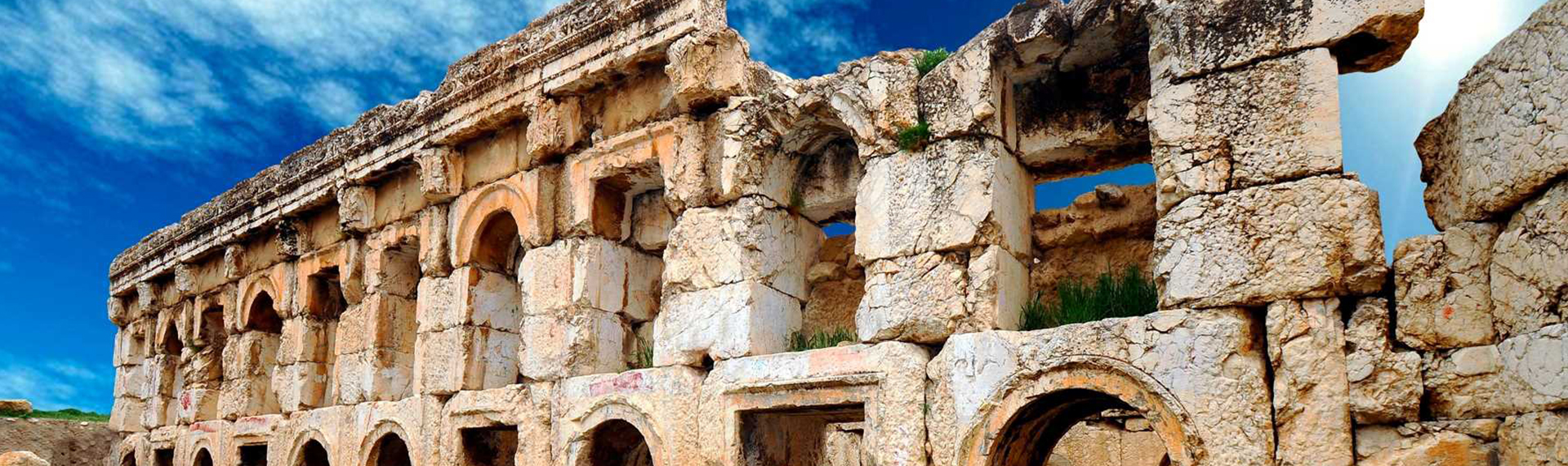
The closest registered cultural heritage site to the sub-project area is the Sarıkaya Roman Bath (Basilica Therma), located in the Kaplıcalar neighborhood of Sarıkaya district center. The structure, dating back to the 2nd century AD, was used during the Roman, Byzantine, Seljuk, and Ottoman periods, and was included in the UNESCO World Heritage Tentative List in 2018 due to its historical significance.
The bath complex is located approximately 2.7 kilometers from sub project site, where the sub-project will be implemented. Given this distance and the nature of the sub-project activities, no direct or indirect impact on the cultural heritage site is anticipated.
Figure 8. The closest cultural heritage
2.3.6 Biodivesity
Although SPP projects generally have low environmental impact, detailed ecological assessments are made during site selection in order not to harm biodiversity. The flora and fauna species identified as a result of studies conducted in the sub-project area of influence (AoI) are given in Annex İ.
Literature and field studies were carried out by CA Engineering Agricultural Engineer to determine the flora and fauna species present or likely to be present within the area (AoI).
Flora
Literature and field studies were conducted for the determination of flora and fauna species located or likely to be located within the sub-project AoI. Within the scope of the studies conducted in the sub-project AoI, no endangered or endemic plant species were encountered in the sub-project AoI. In this context, the books “Flora of Türkiye and East Aagean Island (1965- 1988)” and “Red Data Book of Turkish Plants” prepared by P. DAVİS were used. In addition, the databases prepared by TUBITAK, “http://bioces.tubitak.gov.tr” and Turkish Plants Data Service – TUBITAK:
“http://www.eski.tubitak.gov.tr/tubives/” were scanned and the literature was supported to check whether there were any endangered species.
There are no rare, endangered or protected plant species in the sub-project AoI according to Annex 1 of the Bern Convention.
Fauna
The fauna list in the immediate vicinity of the sub-project AoI, based on fieldwork and literature review, is given below. In literature studies; Mustafa Kuru’s ‘Vertebrate Animals’, A. Demirsoy’s ‘Türkiye Vertebrates– Mammals, Amphibians’, İbrahim Baran’s ‘Türkiye’s Amphibians and Reptiles’, İ. Kiziroğlu’s (2008) ‘Türkiye Birds Red List’ (Species List in Red Data Book) were used.
The species listed in Annex İ and protected by the Bern Convention and other wildlife species are not affected by this activity, such as hunting, deliberately killing or detaining these species, or damaging their eggs. The decisions of the Central Hunting Commission of the Ministry of Agriculture and Forestry for 2024-2025 and the provisions of the Bern Convention will be complied with in the activity in question.
As a result of the flora and fauna surveys conducted in the sub-project AoI, the existence of the species given in the tables (Annex İ) was encountered. In this context, no species that are definitely protected under the BERN Convention were encountered. Species that are allowed to be hunted for certain periods by the decision of the Central Hunting Commission were identified, but these species are not within the subproject AoI but are in the immediate vicinity. It is not expected that the activities to be carried out within the scope of the filling activity subject to the sub-project will have a negative impact on these species. However, within the scope of the subproject, necessary measures will be taken for the protection of wildlife in accordance with the Land Hunting Law No. 4915 and the decisions of the Central Hunting Commission held every year. In the sub-project AoI; national parks, nature parks, nature monuments, nature conservation areas, wildlife conservation areas, wild animal breeding areas, cultural assets, natural assets, protected areas and protection areas, special environmental protection zones, biogenetic reserve area, biosphere reserve special protection areas, afforested areas, potential erosion and afforestation areas, protection areas related to drinking and utility water resources, densely populated areas, historical, cultural, archaeological and similar areas of importance, tourism regions and other protected areas; were not encountered in the database used as a source and other researches.
There is no nationally protected and internationally recognized high biodiversity value areas in the sub-project AoI. Additionally, there are no World Heritage Natural Protected Areas, Biosphere Reserves, Ramsar Wetlands of International Importance, Important Biodiversity Areas or Important Bird Areas. Furthermore, field surveys and desktop studies have confirmed the absence of any critical habitats, endemic or endangered species, or ecologically sensitive zones within the subproject AoI.
2.4 Socio-economic Baseline
2.4.1 Demography and population
According to the data published by TurkStat in February 2025, the Kayapınar neighborhood population, which was 548 in 2023, decreased by approximately 2% in 2024 and decreased to 528 people.
2.4.2 Infrastructure Services
Kayapınar Neighborhood has access to essential infrastructure and public services that meet the current needs of the community. The electricity supply is available and reliable. Both drinking water and non-potable water are provided through a piped network; the water is clean, safe for consumption, and sufficient in quantity.
Wastewater services are managed through a functioning sewerage system, which is adequate for the size and needs of the neighborhood. Solid waste is regularly collected by the municipal authority, and the current service level is considered sufficient.
Heating is provided through natural gas, which is available to households and meets local demand. Communication infrastructure, including telephone and internet services, is accessible and functions adequately.
Transportation needs are supported by available and reliable road infrastructure, and public transportation services are in place and sufficient.
Overall, the basic infrastructure and services in Kayapınar Neighborhood are in good condition and are not expected to be negatively impacted by the implementation of the sub-project.
2.4.3 Vulnerable and Disadvantaged Individuals/Groups
During the construction phase of the sub-project, certain vulnerable and disadvantaged groups ( such as elderly individuals, persons with disabilities, women, individuals relying on social aid, state or private assistance, and the unemployed ) may face difficulties in participating in stakeholder engagement processes.
Elderly individuals living alone may experience mobility limitations and have limited access to social support networks, making them more susceptible to the impacts of project activities. Persons with physical or mental disabilities may require assistance or adapted communication materials to access project-related information and participate meaningfully. Female-headed households often face time constraints, heavy domestic responsibilities, and, in some cases, cultural barriers that limit their ability to engage in community consultations and project-related opportunities.
Individuals who rely on state or private assistance are considered vulnerable due to their economic dependence and restricted access to information and resources. This may limit their ability to benefit from services, opportunities, or information provided under the project. Similarly, unemployed individuals may experience financial hardship and be less able to engage with the project or benefit from temporary employment opportunities or social services offered during implementation, making them a key vulnerable group.
According to information obtained from the mukhtar of Kayapınar Neighborhood details on these vulnerable and disadvantaged groups are provided in Table 5.
Table 5. Kayapınar Neighborhood vulnerable and disadvantage groups
|
Vulnerable and Disadvantage Groups
|
Number of People
|
|
Over 70 years of age and living alone
|
1
|
|
Mentally disable
|
3
|
|
Physically disable
|
1
|
|
Surviving on social assistance from the state, associations or individuals
|
40
|
|
Female-headed household
|
5
|
|
Unemployed individuals actively seeking work but unable to find employment
|
10
|
|
Total Vulnerable and Disadvantage Groups
|
60
|
Source: Mukhtar and Local People Meetings, 2024.
Informational materials will be prepared using visual aids and written in clear, simple language. If deemed necessary, home visits and small group meetings will be organized. Printed materials will be designed in a clear and easy-to-read format. To ensure broad public participation, meetings will be held in accessible venues that do not pose any barriers for persons with disabilities. Meeting times will be scheduled to accommodate the availability of women and working individuals. Transparent and consistent communication will be maintained throughout the process to ensure that participants do not experience a loss of trust.
2.4.4 Education and Health Services
Educational services are provided by a primary school located within the neighborhood, while access to healthcare is ensured by Sarıkaya State Hospital, located approximately 3 km from the settlement.
2.4.5 Land Ownership Status and Land Use by Affected People
The sub-project site is registered under the ownership of the General Directorate of National Real Estate. A pre-allocation of the land was granted to Sarıkaya Municipality on 21.10.2021 for project development purposes. Following the expiration of the initial allocation period, a renewed pre-allocation request was submitted on 06.11.2023, and a new two-year pre-allocation was formally approved on 22.01.2024.
The designated sub-project area lies within a larger parcel that also includes a neighborhood-level picnic and park area developed by Sarıkaya Municipality. However, this recreational area is located outside the boundaries of the sub-project implementation zone and will not be impacted by the planned activities. The recreation area is located outside the current sub-project boundaries. During implementation, necessary protection measures will be applied to prevent potential adverse impacts. In the event of any future modification or expansion of the sub-project design, potential impacts on the recreation area will be re-assessed in accordance with the requirements of ESS1 and ESS5.The location of the park area in relation to the project footprint is shown in Figure 9.
In the sub-project area, agricultural use limited to agricultural spillovers from neighboring parcels has been identified. Based on written statements obtained from landowners on 04.06.2025 and the site visit conducted on 26.06.2025, it has been confirmed that these activities do not constitute the households’ primary source of livelihood and that they are also engaged in trade outside of agriculture. The agricultural spillovers areas have been excluded from the fenced boundaries of the power plant, and the project layout has been shifted southward without any change in capacity, thereby preventing agricultural areas from being included within the sub-project site. Commercial cultivation on neighboring parcels continues; however, these areas remain outside the sub-project boundaries and will not be affected.
Therefore, no economic losses or adverse impacts on livelihoods are expected under the sub-project. Consequently, in line with the World Bank’s resettlement policies, no economic displacement is anticipated.
Figure 9. Picnic/park area
2.4.6 Means of livelihood and Employment
The majority of Kayapınar Neighborhood residents derive their livelihoods from non-agricultural activities, with a significant portion being retirees. Based on local consultations, approximately 70 individuals are retired, 5 are employed as civil servants, and 5 work in the service sector. Additionally, 15 individuals are engaged in small-scale trade and commercial activities.
Primary production is present but limited in scope. Approximately 6 individuals are involved in agricultural activities, primarily to meet their own household food needs. Cultivation is done on a small scale, generally in home gardens or nearby plots, without commercial intent. Livestock breeding constitutes a more prominent livelihood source, with around 100 individuals engaged in small-scale animal husbandry. In addition, 2 individuals practice hunting as a supplementary activity.
Inspections conducted at the sub-project site indicated that small-scale agricultural activities, confined to marginal spillover cultivation from adjacent parcels,, were present and did not constitute the primary source of income for households. It was determined that wheat production was taking place in parcels adjacent to the sub-project site, and that the crops were being cultivated for larger-scale, market-oriented commercial purposes. However, since these areas are located outside the fenced boundaries of the power plant, commercial production activities will not be affected by the sub-project. Based on statements received from landowners, it was understood that these lands were not the sole source of income, and that households also engaged in trade and other income-generating activities in addition to agriculture. Based on these assessments, no economic losses or adverse livelihood impacts are expected from the subproject.
2.4.7 Transportation and traffic
The sub-project site is located in close proximity to a residential area, and access is provided via an existing road that passes through the neighborhood. During the construction phase, the transportation of heavy equipment and materials such as solar panels, steel structures, and transformers is expected. These activities will temporarily increase vehicle traffic within the settlement area.
As the access route runs through residential zones, short-term impacts such as increased traffic density, noise, dust generation, and potential safety concerns for pedestrians may occur. However, no significant long-term traffic impacts are anticipated during the operational phase of the solar power plant, as operational traffic will be minimal and infrequent.
3 SUB-PROJECT ACTIVIES
During the construction and operation phases of the sub-project, environmental and social impacts caused by project activities may occur. Potential impacts during the construction phase of the sub project will generally be of low to moderate magnitude that may be short-term and locally significant. These impacts generally relate to traffic, noise, vibration, air quality, soil degradation and contamination, waste management, community health and safety, and worker and working conditions (including occupational health and safety). Operation of the sub-project may create impacts related to noise, concentrated wastewater, storage and handling of chemicals, and soil contamination at sensitive receptors, and may create occupational health and safety risks that may be considered significant, especially if not properly managed, during maintenance and repair operations. Maintenance and repair of sub project components may have minor environmental impacts such as soil contamination and noise, waste. These impacts will be local, short-term, and not expected to cause significant adverse impacts.
Construction activities will be completed in 4-5 months. Detailed implementation schedule envisaged for the construction phase activities (including provisional acceptance) is presented in section 6.
Construction phase activities are briefly described below:
Pre-construction activities:
Land leveling will be conducted before starting the power plant construction and installation. Approximately 10 cm of topsoil and stones on the land will be cleared and the land will be prepared flat.
Before the construction, the survey engineer will determine the points where the columns and the wire fence for land security will be installed. The determined points will be marked appropriately and deviations in the column assembly will be prevented. Topsoil resulting from the surface stripping process will be used for landscaping purposes in SPP fields.
Construction/ installation activities:
Pile driving operations will be carried out to place the panel feet.
Construction machinery and equipment:
1 truck, 1 excavator, 1 crane, 1 pile driver and 1 tanker will be used during the construction process.
Water use and waste water management:
Water consumption at the sub-project site will primarily arise from irrigation activities and meeting the basic needs of the personnel working in the construction area. During the construction phase, the provision and use of water will be under the responsibility of the contractor.
Domestic-type wastewater generated by personnel will be collected in a septic tank located on the sub-project site. This system will be constructed in an isolated manner to prevent any environmental contamination, and it will be regularly monitored and maintained. The accumulated wastewater in the septic tank will be periodically removed by the Sarıkaya Municipality using vacuum trucks and disposed of appropriately.
Water used for irrigation and cleaning will be managed in a controlled manner to prevent any harm to the environment, and efficient use of water resources will be prioritized.
Waste and hazardous materials management:
During the construction phase of the sub-project, activities such as vegetation clearance, leveling, construction and assembly of main operating and auxiliary units, supply, transportation and assembly of units and equipment will be carried out. The types of solid waste expected to be generated within the scope of these activities are municipal waste, packaging waste of system equipment (e.g. wood, cardboard, plastic, etc.), hazardous waste, excavation and construction waste (e.g. scrap metal, wood, concrete waste, etc.) and waste system equipment (PV monocrystalline panels, cables, electronic components). Panel waste generated during maintenance and repair activities on sites will be delivered to licensed companies in accordance with the Waste Management Regulation (Official Gazette Date: 02.04.2015, Official Gazette No: 29314). Until the panels stored in a covered area on site to prevent environmental contamination. The points where the disposal of cells containing crystalline silicon is included in the legislation are limited and are in the form of conventional waste disposal. This includes recycling the reusable parts of the waste from PV panels and then disposing of them in regular landfills or removing them through general waste processing. Since the maintenance of the equipment to be used during the construction phase of the activity will be carried out by the authorized service, there will be no hazardous waste generation originating from the machinery and equipment in the activity area. The food needs of the personnel working within the scope of the sub-project will be met by the subcontractor company and there will be no generation of vegetable waste oil. If no subcontractor company is used, vegetable waste oils will be collected separately from other wastes and stored in the temporary waste storage area to be located in the sub-project area and sent to licensed facilities in accordance with the provisions of the "Vegetable Waste Oil Control Regulation" published in the Official Gazette dated 06.06.2015 and numbered 29378.
Use of other resources and materials:
Material, energy, water and land use have been and will be optimized throughout the life cycle of the Sarıkaya Municipality 1,962 kWp/1,600 kWe Solar Power Plant. Key measures for implementing resource efficiency that can help minimize negative environmental impacts, reduce costs and maintain the environmental, social and economic sustainability of solar energy production are as follows:
- Optimized Design and Layout: Site selection and design optimization have been carried out to maximize solar energy capture while minimizing land use and environmental impacts. This includes consideration of factors such as availability of solar resources, terrain structure, land use patterns and potential environmental constraints.
- Within the scope of the project, a small amount of concrete will be used during the construction of the foundations of the panels. Within the scope of the project, the SPP field will be covered with gravel. The ready-mixed concrete needed at this stage will be purchased from the market. In this way, it will contribute to the regional economy. The field coating is the responsibility of the contractor company.
- In addition, it is planned to pour concrete to ensure sealing within the waste panel accumulation area.
- Advanced Solar Panel Technologies: Investments are planned for high-efficiency solar panels that increase energy output per unit area, reduce the ecological footprint and material requirements for a given power output.
- Recycling and Circular Economy Applications: A Recycling Plan will be developed by the contractor during the construction phase and by the Sarıkaya Municipality during the operation phase for damaged or end-of-life solar panels and components to recover valuable materials such as silicon, glass and metals for reuse in production. The implementation of the recycling plan will be ensured throughout the life cycle of the proposed PV power plant. Adoption of circular economy principles will minimize waste generation and resource depletion.
Supply of materials and equipment:
Local companies will be given priority in the procurement of panels, steel construction, inverters and other electrical equipment to be used in the sub-project.
Test and commissioning
The contractor, selected through a competitive bidding process, is responsible for the construction, logistics, design, test and commissioning, and provisional acceptance of the solar plant.
Since there will be no accommodation at the sub-project site, temporary construction facilities will not be established. There are no activities related to the sub-project that are outside the scope of the proposed financing.
3.1.1 Construction Facilities
Construction facilities to be used during construction activities are listed in Table 6.
Table 6. Construction Facilities
|
Type
|
On-site or Off-site
|
Temporary or Permanent
|
List of Facilities
|
|
Temporary waste storage areas
|
On-site
|
Temporary
|
Hazardous waste
|
|
Security hut
|
On-site
|
Permanent
|
For personnel responsible for the security of the sub-project site
|
|
Day-Use Rest Container
|
On-site
|
Temporary
|
A day-use welfare container will be placed on the project site to meet the daily needs of the personnel during working hours.
|
|
Administrative Building
|
On-site
|
Permanent
|
It will be used for the operation and management activities of the facility.
|
The planned layouts of the facilities within the site are shown in Figure 10.
Figure 10. The planned layouts of the facilities within the site
3.2 Operation Phase
3.2.1 Operation Activities
The sub-project area will be surrounded by wire fencing and illuminated with lighting poles. There will be security cameras and motion sensors on the lighting poles. There will be a hut with security personnel and a monitoring room in the sub-project area.
Water use and wastewater management:
No chemicals will be used for panel cleaning during the operation phase. The panels will be cleaned with deionized water. Panel cleaning will be done twice a year and approximately 4 m3/ha water will be used. Based on the total panel area, the water requirement can be calculated as follows:
2.24 ha * 4 m3/ha=8.96 m3
8,96 m3= 8,960 L
Panel waste generated during maintenance and repair on sites will be delivered to licensed companies. Until the panels are delivered, they will be kept under cover in case they need to be kept on site. The points where the disposal of cells containing crystalline silicon is included in the legislation are limited and are in the form of conventional waste disposal. This includes recycling the reusable parts of the waste from PV panels and then disposing of them in regular landfills or removing them through general waste processing.
Waste and hazardous materials management:
During the operation phase, there may be waste generation from damaged, faulty or end-of-life equipment and materials that can be replaced or checked during maintenance and repair activities to be carried out periodically or in the event of a malfunction. In addition, the supply of new equipment, parts and others will also cause the generation of packaging waste. In addition, personal protective equipment, clothing and cloths used during maintenance and repair activities may also cause limited waste generation. During the operation phase of the sub-project, there will be a limited amount of waste oil generation due to the oil change needs of the equipment. The impact from waste generation is assessed as direct and negative, short-term, local and of low importance.
The facility will be decommissioned at the end of its 25-year economic life. In cases where the panels have reached the end of their lifespan or need to be replaced, the old panels will be revised and new panels will be positioned. The panels will classified as hazardous waste. The panels will classified as hazardous waste. Accordingly, the dismantled panels will be sent to licensed disposal facilities. Once the service period is over, the sub-project areawill be restored to its former state. Sub-project once the service period is over, the land will be restored to its former state.
3.2.2 Operation Facilities
Operation facilities are described in Table 7.
Table 7. Operation Facilities
|
Component
|
Characteristics
|
|
Solar panels
|
580 Wp (monocrystalline panel)
|
|
Mounting structures
|
|
|
Inverters, transformers, etc.
|
Transformers (1 piece/1250 kVa)
Transformers (3 piece/1600 kVa)
Inverters: 320 kW (10 pieces)
Inverters: 315 kW (5 pieces)
|
|
Control room, building, system, etc.
|
RS-485
|
|
Energy monitoring system
|
SCADA System
|
|
Grounding system
|
A grounding system designed in accordance with IEEE 80 2000 will be installed to prevent step and touch voltages that may occur due to short circuit fault currents.
|
|
Lightning protection system
|
Lightning protection will be provided to these areas with the capturing ends to be placed and length determined according to the protection angle in the panels to be installed. These capturing ends will be connected to each other with a conductor and connected to the grounding network.
|
|
Fire preparedness and firefighting facilities
|
Fire extinguisher 6 kg (17 pieces)
|
|
Security facilities
|
CCTV, Security hut
|
3.3 Labor Requirements
The number of workers (at peak) who will be on-site during the construction and operation phases of the sub-project is provided in Table 8. Transportation of personnel during the construction phase will be the responsibility of the contractor company. For personnel working during the operational phase, transportation costs will be covered by Sarıkaya Municipality. During the operational phase, there will be two unarmed security guards on duty.
Table 8. Labor Requirements of the Subproject
|
Phase
|
Number of Workers
(including contractors and subcontractors)
|
Planned Accommodation Arrangement
|
|
Construction Workers (at peak)
|
15
|
Off-site Accommodation
|
|
Operation Workers (at peak)
|
2
|
On-site Accommodation
|
3.4 Land Acquisition Status
The ownership of the sub-project site belongs to the General Directorate of National Real Estate. An initial pre-allocation was granted to Sarıkaya Municipality on 21.10.2021 to enable project development. Upon expiration of this allocation, a new pre-allocation request was submitted on 06.11.2023, and a two-year pre-allocation was approved on 22.01.2024.
The sub-project site is situated within a parcel that also contains a neighborhood-level picnic and park area established by Sarıkaya Municipality. However, this recreational area lies outside the boundaries of the designated sub-project implementation zone and will not be affected by the project activities.
There are minor indications of agricultural spillovers from privately owned parcels adjacent to the project area. Since these agricultural spillovers will be located outside the sub-project area, no land acquisition is required.
The sub-project does not envisage any physical or economic displacement. The land acquisition process is limited to previously allocated municipal lands, and no mandatory resettlement or compensation requirements are anticipated.
3.5 Permitting Status
The sub-project area is under the ownership of the General Directorate of National Real Estate, with the relevant Allocation Document provided in Annex C. The site is covered by a zoning plan approved with decision number 26 dated 06.02.2020 (see Annex B).
In accordance with the Environmental Impact Assessment (EIA) Regulation published in the Official Gazette dated 25.11.2014 and numbered 29186, the Yozgat Governorship Environment, Urbanization and Climate Change Provincial Directorate has issued a decision numbered 32572110 220-02 E-202510 dated 05.03.2025, stating that an EIA is not required for the sub-project (see Annex B).
All necessary permits and approvals relevant to the sub-project have been obtained or are in the process of being secured in compliance with applicable national legislation and regulatory requirements.
Resource Efficiency
Material, energy, water, and land use have been and will continue to be optimized throughout the life cycle of the Sarıkaya Municipality 1,962 kWp / 1,600 kWe Solar (Photovoltaic) Power Plant sub-project. Key measures to enhance resource efficiency, minimize environmental impacts, reduce costs, and ensure environmental, social, and economic sustainability of solar energy production include:
Optimized Design and Layout: Site selection and layout design have been carefully planned to maximize solar energy capture while minimizing land use and potential environmental impacts. Factors such as solar resource availability, terrain characteristics, existing land use, and environmental constraints have been taken into account.
Advanced Solar Panel Technologies: The project will incorporate high-efficiency solar panels to increase energy output per unit area, thereby reducing the material footprint and land requirements for the desired power capacity.
Energy Efficiency: Energy-efficient equipment will be used throughout the construction and operation phases. Measures to optimize energy consumption during transportation, installation, and plant operation will help reduce greenhouse gas emissions associated with the project.
Community Engagement and Social Sustainability: Continuous engagement with local communities and stakeholders will be maintained throughout the project life cycle. This approach aims to address community concerns, maximize local benefits, and foster social acceptance, contributing to the overall sustainability and success of the solar power plant.
4 ESMP MATRIX: RISK AND IMPACTS, MITIGATION, MONITORING
As the sub-project involves both construction and operation activities, the ESMP consist of two components applicable to respective subproject phase, as follows:
- Pre-Construction and Construction ESMP Matrix
- Operation ESMP Matrix
Roles and responsibilities related to implementation of this ESMP is defined in section 5.2.
Implementation arrangements for ESMP implementation are described in Section 1.5.
Contractor’s E&S management plans and procedures that will support implementation of the E&S assessment documents are listed in section 4.5.
A stand-alone sub-project specific Stakeholder Engagement Plan (SEP), including Grievance Mechanism (GM), has also been developed and will be implemented for the sub-project throughout the sub-financing agreement life cycle.
As the sub-project owner, it is Sarıkaya Municipality's responsibility to manage the environmental and social issues of the sub-project and ensure that the necessary mechanisms are developed and implemented by the Contractor and/or Sub-Contractor.
It is anticipated that some environmental and social impacts may occur during the pre-construction, land preparation, construction and operation phases of the Sarıkaya Municipality 1,962 kWp / 1,600 kWe Solar Power Plant Project planned within the scope of the project.
The management of the risks and impacts that may occur on the environmental and social components during the pre-construction, land preparation, construction and operation phases and the relevant mitigation measures defined for these impacts are given in Section 4.2 and 4.3.
It should be noted that in the implementation of the mitigation plans, both national legislation and WB standards will be taken into account, and the stricter requirement between the two will be applied. In addition, the most up-to-date legislation will also be considered.
Monitoring plays a key role in ensuring the continuity and effectiveness of the implementation of the determined mitigation management strategies. The main purpose of the Monitoring Plan is to provide a basis for evaluating the implementation of the measures and requirements envisaged in this ESMP. Information collected through monitoring can be used to improve management plans at all stages of the sub-project. Therefore, monitoring will ensure successful implementation of mitigation/management plans and optimize environmental protection through good practices at all stages of the sub-project.
4.1 E&S Risk and Impacts of the Sub-project
This section identifies the potential environmental and social impacts and risks that could arise from the activities of the sub-project either during the construction phase or the operational phase.
The highlighted impacts listed in below are broad and envisaged as cutting across most of the Subproject. The specific potential impacts and risks for each subproject will be provided in E&S assessment section of its feasibility report.
Typical Subproject activities to be implemented are broadly categorized into:
- Pre-construction and Construction phase,
- Operation phase,
4.1.1 Construction Phase
4.1.1.1 Environmental Impacts and Risks
4.1.1.1.1 Waste Management
Domestic Solid Waste
Assuming that the amount of domestic solid waste generated by personnel during the construction phase of the project is 1.10 kg/day per person (average waste amount per person (kg/person-day), TURKSTAT, 2023);
A total of 15 personnel will work during the sub-project construction phase. Accordingly, the amount of waste to be generated daily is;
15 person * 1.10 kg/person = 16.5 kg
Domestic solid waste will be collected in closed and leak-proof garbage bins that will not emit odors. Domestic solid waste will be transported daily to the nearest municipal garbage collection center. During the activity; The provisions of the "Waste Management Regulation" and its amendments, which came into force after being published in the Official Gazette dated 21.06.2021 and numbered 31523, will be complied with.
Packaging Waste
It has been accepted that approximately 13.5% of recyclable packaging waste will be generated among domestic solid waste (TURKSTAT, 2023). Any packaging waste that may be generated will be collected separately from solid waste and will be recycled by giving it to packaging waste collection-sorting facilities that have an environmental license.
When the rate given above is compared to the daily waste amount;
16.5 kg * 0.135 = 2.277 kg
The "Packaging Waste Control Regulation", which came into force by being published in the Official Gazette dated 21.06.2021 and numbered 31523, and the "Waste Management Regulation" and its amendments, which came into force by being published in the Official Gazette dated 12.07.2019 and numbered 30829. “Zero Waste Regulation” and its relevant provisions will be complied with.
Hazardous Waste
Since the maintenance of the equipment to be used during the construction phase of the activity will be carried out by the authorized service, there will be no hazardous waste generation originating from the machinery and equipment in the activity area. In case of generation, in a safe place will be established at a designated point in the activity area and the hazardous waste will be stored there. The waste in question will be classified according to their characteristics according to the “Waste Management Regulation” and the label “hazardous or non-hazardous waste” will be written on the temporarily stored waste, the waste code will be written and the waste will be accumulated in the temporary waste storage area in a way that it will not react with each other. These accumulated wastes will be delivered to companies licensed by the Ministry of Environment, Urbanization and Climate Change. The provisions of the Waste Management Regulation (Amended: Regulation on Amendments to the Waste Management Regulation, Official Gazette, dated 02.04.2015 and numbered 29314) which entered into force upon publication in the Official Gazette dated 23.06.2021 and numbered 31523 will be complied with.
The panels that have become waste during the construction phases will be collected in the designated area in the sub-project area. The collection area will be single for both parcels. The area to be constructed will be sealed to prevent the hazardous waste contained within from mixing with the soil. The waste panels collected in a safe area will be delivered to Licensed recycling facilities with the code 16 02 04. The glass and precious metals contained in the panels will be recycled as raw materials for the circular economy, and the remaining part will be disposed of as hazardous waste.
Waste Batteries and Waste Batteries
Batteries used in the field will be reused by ensuring that they are rechargeable. Used batteries will be collected in battery collection boxes and left at collection points belonging to TAP (Portable Battery Manufacturers and Importers Association). The "Regulation on the Control of Waste Batteries and Accumulators" and its relevant provisions, which came into force after being published in the Official Gazette dated 31.08.2004 and numbered 25569, will be complied with.
Medical Waste
Medical waste is not expected to be generated in the project area as the nearest health institution will be visited in case of an accident. In case of occurrence, the relevant provisions of the "Medical Waste Control Regulation", which came into force after being published in the Official Gazette dated 25.01.2017 and numbered 29959, will be complied with.
4.1.1.1.2 Excavation and Topsoil
The solar panels planned to be installed within the scope of the sub-project must be positioned at the same ground level and in a way that does not cast shadows on each other. For this reason, leveling work is planned to ensure that the land has a flat surface.
In this context, the formation of topsoil will be possible within the scope of construction, installation and landscaping works.
4.1.1.1.3 Water Supply and Wastewater Management
It is planned that 15 personnel will be employed during the construction phase of the Sarıkaya Municipality Solar Power Plant Project, and Yozgat district assuming that the drinking and utility water consumption per person is 246 L/day (TURKSTAT, 2023),
15 people * 246 L/day*person = 3,690 L/day
Within the scope of the sub project, the Regulation on Waters for Human Consumption, which came into force after being published in the Official Gazette dated 17.02.2005 and numbered 25730, and the "Regulation on Waters for Human Consumption" published in the Official Gazette dated 31.07.2009 and numbered 27305, will be complied with.
The water requirement for suppressing the dust generated in the sub-project area due to construction work will be met by using water trucks filled from the municipal infrastructure of Sarıkaya Municipality.
The total construction area within the scope of the sub project will be approximately 22,400 m². 5 liters of water will be used per square meter. Accordingly, water will be used to prevent dust emissions.
22,400 m2*5 liters/m2 = 112,000 L
A septic tank will be installed for the disposal of domestic wastewater generated by the personnel. The tank will be emptied at regular intervals by Sarıkaya Municipality using a vacuum truck.
Within the scope of the sub project, the Regulation on Waters for Human Consumption, which came into force after being published in the Official Gazette dated 17.02.2005 and numbered 25730, and the "Regulation on Waters for Human Consumption" published in the Official Gazette dated 31.07.2009 and numbered 27305, will be complied with.
4.1.1.1.4 Air Quality/Emissions
Air pollution will mainly originate from dust emissions and exhaust emissions as well as Greenhouse Gas (GHG) emissions. Considering the location of the sub-project area, sensitive receptors are not expected to be affected. During the construction phase of the sub-project, the impacts on air quality will mainly originate from dust, exhaust and greenhouse gas emissions:
- Dust emissions during site preparation, excavation, filling and compaction works carried out for construction works.
- Dust emissions from vehicle movements for transporting various construction materials to the project site.
- Exhaust emissions from vehicles used in construction activities.
- Greenhouse gas emissions from small amounts of vehicles and machinery.
Since a limited number of equipment and machinery will be operating on the sites, these air quality impacts will be limited to the area and in the short term.
Calculation of dust emission topsoil stripping
Dust emission factors from Table 2.7 of the Regulation on Control of Industrial Air Pollution (OG No. 27277; amended table RG-20.12.2014-29211) were used. Calculations were performed for both uncontrolled (worst-case) and controlled scenarios (assuming implementation of standard dust control measures).
Under the conservative assumption that all topsoil-stripping activities occur simultaneously (worst-case), the estimated dust emission is 1,02 kg/saat for the uncontrolled case and 0,51 kg/saat for the controlled case. These values do not exceed the pollutant mass flow thresholds specified in the Regulation; therefore, a further “Contribution Value to Air Pollution” dispersion calculation using an accepted model was not required for the facility’s area of influence.
Not: the worst-case simultaneity assumption is intentionally conservative. In practice, construction equipment and transport vehicles will typically operate at different times during the day, so actual emissions are expected to be lower. The controlled calculation assumes implementation of dust suppression measures (e.g., water spraying, site traffic speed limits, covered loads). These specific measures should be listed in the ESMP and implemented on site. Details of the calculations are given in Annex J.
Emission calculation from vehicles
Exhaust gas emission calculations for the construction phase were carried out using EPA emission factors and the applicable national regulations. The detailed calculations are presented in Annex [Annex J].
The results show that the total estimated emissions of CO, HC, NOx, and PM from all construction equipment operating simultaneously are well below the limit values specified in Annex-2, Table 2.1 of the Regulation on the Control of Industrial Air Pollution.
Since these calculations assume continuous operation of all machinery at full capacity, actual emissions are expected to be lower during implementation.
The project will comply with the Exhaust Gas Emission Control and Fuel Quality Regulations (Official Gazette Nos. 28837 and 30004) and, where Turkish requirements differ from the IFC/World Bank EHS Guidelines, the more stringent standards will be applied in the project specifications.
4.1.1.1.5 Noise
The construction activities of the sub-project are planned to last approximately 1.5 months, with work carried out during daytime hours, 6 days a week, 8 hours per day. Based on calculations using the “Regulation on Noise Emission in the Environment Created by Equipment Used in Open Areas” and data from similar activities, the estimated environmental noise level at the nearest residential areas (~200 m away) is approximately 58 dBA. This value is within the limits of national legislation (Environmental Noise Control Regulation, Official Gazette No. 32029, 30.11.2022), but slightly above the IFC General EHS Guidelines noise limits.
The calculations (Annex K) assume simultaneous operation of all equipment; therefore, actual noise levels are expected to be lower in practice. In addition, control and mitigation measures (e.g., noise barriers, adjustment of working hours) will be implemented as described in the ESMP Matrix, and monitoring will be conducted in case of complaints to ensure compliance with applicable limits.
4.1.1.1.6 Impacts on Natural Habitats
The vegetation will be cleared so that the area where the construction work is to take place is clear for the construction work to be performed. The construction works will involve land, bush clearing, removal of top soil, excavation and mass haulage. The impact of sub-project activities on ecological components is related to the size of the impact and the vulnerability of the recipient.
Dust and exhaust gases emission
During construction, there will be material handling and movement of construction equipment at the sub-project sites. In addition to the fugitive dust emissions, there will be exhaust emissions of heavy construction machinery. Primary emissions from exhaust gases of vehicles are NO2, CO, HC, SO2 and PM.
Noise Pollution
During the construction phase noise pollution may occur, necessary precautions has been determined and given in ESMP Matrices and procedures will be followed.
Noise and dust can have various adverse effects not only on human health but also on flora, fauna, and the overall ecosystem. Dust can cover the surfaces of plants, disrupting vital processes such as photosynthesis, respiration, and transpiration. This negatively impacts plant growth and health, while also degrading soil quality and weakening vegetation. Noise, on the other hand, can create both physiological and behavioural effects on fauna. Animals may abandon their habitats due to excessive noise, experience disruptions in their reproductive behaviours, and alter their feeding patterns. Furthermore, noise can interfere with communication systems among animals, hindering essential functions such as hunting and navigation.
These disruptions can have cascading effects on ecosystems where flora and fauna are interdependent. A reduction in animals involved in pollination or seed dispersal may threaten biodiversity within the ecosystem. Therefore, implementing measures to mitigate noise and dust is critical for ensuring the sustainability of ecosystems.
Impacts associated with water, energy and raw materials use
Employees’ needs and dust suppression will create water supply requirement. Construction phase activities will require resource consumption such as concrete, reinforcement, structural steel, ferrocement, prestressed concrete, energy etc.
Waste
During construction phase of the sub-project, activities such as vegetation clearance, levelling, construction and installation of main operation and auxiliary units, procurement, transportation and assembly of units and equipment will be carried out. Solid waste types expected to be generated within the scope of these activities are municipal wastes, packaging wastes of system equipment (e.g. wood, cardboard, plastic, etc.), hazardous wastes, non-hazardous wastes (glass, paper, metal, plastic), excavation and construction wastes (e.g. scrap metal, wood, concrete waste, etc.), and waste system equipment (panels, cables, electronic components). Hazardous and non-hazardous wastes may contain chemical substances (e.g. paint, solvent, panels, inverters etc.) or packaging materials and cloths contaminated with oils, waste oils resulting from operation and maintenance of machinery and vehicles, solvents, accumulators, batteries, filters, machine parts.
If waste is not managed and transferred directly to the ecosystem, it will pose serious risks to human and living health, especially to soil and water resources. Classified as non-hazardous waste, plastic, glass, metal, and debris wastes occupy the living spaces of animals and cause habitat loss. Over time, pollutants are observed in soil and water resources as wastes dissolve. It reaches plants, animals, and humans through a life cycle that is in a cycle.
Directly releasing hazardous wastes into the receiving environment mixes with soil and water, destroys vegetation, and causes irreversible effects on animals and microorganisms.
Directly releasing wastes into the receiving environment without distinguishing between hazardous and non-hazardous will pose serious risks to the health of plants, animals, humans, and the environment that share the receiving environment.
Biodiversity
As a result of the interviews and observational analyses conducted with the local people and the Sarıkaya Municipality officials during the sub-project site visit, no species were encountered other than the flora and fauna species specified in Annex I. Therefore, no biodiversity will be affected by the sub-project activities.
4.1.1.1.7 Climate Change
Although no direct greenhouse gas emissions are expected due to the absence of stationary combustion sources such as chimneys, indirect emissions will occur as a result of diesel consumption by construction machinery and transport vehicles. These emissions are considered minor and will be minimized by ensuring regular maintenance and efficient operation of vehicles and equipment. No industrial-scale materials or processes leading to significant GHG emissions are involved. The activity is not subject to the “Regulation on Monitoring of Greenhouse Gas Emissions” (Official Gazette No. 29003, dated 17.05.2014). Nevertheless, attention will be paid to emission control practices, and the project will comply with the “Exhaust Gas Emission Control Regulation.” Furthermore, while the sub-project itself is not a significant contributor to climate change, all feasible measures will be taken to ensure minimal carbon footprint during the construction phase.
4.1.1.2 Social Impacts and Risks
4.1.1.2.1 Occupational Health and Safety and Labor
Construction works can cause incidents and accidents that may threaten the health and safety of workers if measures are not taken proactively.
Potential health and safety risks during the construction have been listed below.
- Working at height,
- Moving objects,
- Slips and trips,
- Noise vibration and exposure to dust,
- Materials handlings,
- Unintended collapse,
- Electricity,
- Traffic related risks due to increased traffic,
- Associated risk of occupational accidents, injuries and diseases,
- Hazards to workers due to unhygienic or unsanitary living conditions, etc.
Details and area specific risks will be obtained during site studies and will be assessed under social impact and risks sections of respective ESMP documents. Mitigation measures and occupational health and safety issues are managed in line with the Labor Management Procedure of the Subproject which is in compliance with the national legislation, Occupational Health and Safety Law (Law No: 6331, Date of Enactment: 20/06/2012), World Bank ESS2 and World Bank Group General Environmental Health and Safety Guidelines.
4.1.1.2.2 Community Health and Safety
The sub-project is expected to bring benefits to the community through improved access to municipal services. This, in turn, may enhance local business opportunities and create new infrastructure development prospects in the region.
However, there may also be potential adverse impacts, including accidents, structural failures, the release of hazardous materials, effects on water quality and quantity, increased pressure on existing social infrastructure, and risks related to sexual exploitation, abuse, and harassment (SEA/SH).
The following Community Health and Safety (CHS) risks have been identified during the construction phase:
- Road damage of transportation and traffic; increased traffic and risk of road traffic accidents and injuries,
- The emergency situations due to contextual risks
- Noise and dust generation,
- Threat to community culture, safety and security associated with presence of construction workers
- Impacts due to labor influx and interaction of temporary workers with the community (such as sexually transmitted diseases (STDs), SEA/SH risk),
- Impacts on potential vulnerable groups,
- Potential negative impacts due to the lack of awareness and knowledge among security personnel, employees, and the community regarding appropriate communication methods may lead to misunderstandings, conflicts, and security risks.
Accommodation arrangements for construction workers will be provided in existing lodging facilities located in the district center. The responsibility for ensuring appropriate accommodation during the construction phase rests entirely with the contractor.
4.1.1.2.3 Traffic
Access to the sub-project site will be provided via an existing road that passes through the Kayapınar neighborhood. Since this is an established route, no new road construction is required. However, as the road passes through a residential area, there may be temporary increases in traffic density during the construction phase. Consequently, local residents may be exposed to short-term traffic-related impacts such as noise and emissions. Appropriate mitigation measures should be considered to minimize these disturbances.
4.1.1.2.4 Vulnerable groups
During the construction phase of the sub-project, certain vulnerable and disadvantaged groups may experience limitations in accessing project-related information, participating in stakeholder engagement processes, or benefiting from opportunities associated with the project. These groups include, but are not limited to, elderly individuals, persons with disabilities, women (particularly female-headed households), individuals relying on social or private assistance, and the unemployed.
Elderly individuals, particularly those living alone, may face mobility limitations and reduced access to social support networks, which could limit their participation in community-level decision-making or access to grievance mechanisms.
Persons with physical or mental disabilities may encounter challenges in receiving and processing project-related information, due to physical barriers or a lack of adapted communication formats.
Female-headed households may experience time constraints and significant caregiving responsibilities, as well as potential cultural or social barriers, all of which can restrict their engagement in stakeholder consultations and project activities.
Individuals dependent on state or private aid may be economically and socially marginalized, often with limited access to information, transportation, or communication channels, which could reduce their ability to understand or benefit from project-related developments.
Unemployed individuals may face financial hardship and limited resources, which may hinder their capacity to engage with the project or benefit from temporary employment or social services that may emerge during implementation.
4.1.1.2.5 While these dynamics can create risks of exclusion or underrepresentation of vulnerable groups in project-related processes, the sub-project is not expected to generate any direct or disproportionate adverse impacts on specific vulnerable or disadvantaged groups.Cultural Heritage
The nearest officially registered cultural heritage site is located approximately 2.7 kilometers from the sub-project implementation area. Due to this significant distance and the limited physical footprint of the sub-project, no direct or indirect impacts on the registered site are currently anticipated.
The project site itself is not located within or adjacent to any known or designated archaeological zones or heritage protection areas. As such, no prior constraints related to cultural heritage are identified at this stage.
However, in alignment with national heritage legislation and the Chance Find Procedure (Annex G), any unexpected discovery of artifacts, archaeological remains, or culturally significant objects during construction activities will require the immediate suspension of work in the affected area. The contractor will be obligated to promptly inform the relevant cultural heritage authorities. All work will remain suspended in the discovery zone until a formal assessment is completed by qualified cultural heritage specialists and appropriate actions are taken.
4.1.2 Operation Phase
4.1.2.1 Environmental Impact and Risks
4.1.2.1.1 Waste Management
During both construction and operation phases, the amount of domestic solid waste to be generated is very low (approx. 2.2 kg/day, of which ~1 kg/day is recyclable packaging waste). These quantities are negligible. Waste will nevertheless be collected in closed containers and delivered to the municipal collection system in compliance with the Waste Management Regulation (OG No. 29314, 02.04.2015), Packaging Waste Control Regulation (OG No. 31523, 21.06.2021) and Zero Waste Regulation (OG No. 30829, 12.07.2019).
Hazardous Waste
There will be waste that will be released as a result of the equipment to be used in the facility reaching the end of its life. The panels have an approximately 10-year product life and a 25-year efficiency guarantee. At the end of 25 years, they will continue to be used with a 20% performance loss. In cases where the panels have reached the end of their life or need to be replaced, the old panels will be renewed and new panels will be positioned. The panels are classified as hazardous waste. Accordingly, the dismantled panels will be sent to licensed hazardous waste disposal facilities. Inverters and fuses are classified as electronic goods and their economic life is over 20 years. Inverters that will be released as a result of replacing the inverters due to any malfunction or the end of their economic life will be sent to licensed companies and recycled of under the code 16 02 04.
The life of the support systems where the panels will be placed is at least 40 years. The support systems that will be exposed are within the scope of non-hazardous waste and will be disposed of by sending them to licensed companies with the code 20 01 40 (Metals). The cables to be used will be selected to be resistant to sun and heat and will have a minimum life of 20 years. The cables that will be exposed will be sent to licensed companies with the code 17 04 11 (cables other than 17 04 10) and disposed of.
Waste Batteries and Waste Batteries
Batteries used in the field will be reused by ensuring that they are rechargeable. Used batteries will be collected in battery collection boxes and left at collection points belonging to TAP (Portable Battery Manufacturers and Importers Association). The "Regulation on the Control of Waste Batteries and Accumulators" and its relevant provisions, which came into force after being published in the Official Gazette dated 31.08.2004 and numbered 25569, will be complied with.
4.1.2.1.2 Water Supply and Wastewater Management
It is anticipated that only 2 personnel will work, with a total daily water consumption of approximately 302 L/day (TurkStat, 2023). This amount is negligible. Water use will comply with the Regulation on Waters for Human Consumption (OG No. 25730, 17.02.2005; OG No. 27305, 31.07.2009).
For solar panel maintenance, panels will be cleaned twice a year using only water. No chemicals will be used in order to prevent efficiency loss or surface damage.
4.1.2.1.3 Climate Change
The amount of carbon dioxide (CO2) emitted by energy sources throughout their life cycle is shown in the figure below. Photovoltaic (PV) and concentrated solar energy (CSP) emit less carbon dioxide per MWh than fossil fuels and some renewable energy sources, which shows how positive solar energy is in the fight against climate change and how important its use is.[1]
4.1.2.2 Social Impacts and Risks
4.1.2.2.1 Occupational Health and Safety
During operation phase of the project, a “Social Impact Assessment Report and Stakeholder Engagement Plan” will be prepared to determine the possible positive and negative social impacts on the environment caused by the project and to determine and evaluate the measures to be taken to prevent or minimize the negative impacts.
4.1.2.2.2 Labor and Working Conditions
All needs of the personnel who will work during the operation phase will be met from the administrative building. WC, kitchen, study rooms, rest rooms will be created inside the administrative building. The food needs of the personnel will be met by purchasing services from outside. All services will be provided in accordance with the legislation and the wastes that will occur during or after the services will be collected and disposed of in accordance with the provisions of the legislation.
4.2 Construction ESMP Matrix
|
No
|
Impact Description
|
Receptor
|
Proposed Mitigation Measure
|
Relevant Plans/Procedures
|
Responsibility for Implementation of Mitigation Measure
|
|
|
ESS2 - Labor and Working Conditions
|
|
|
1
|
Improper Working Conditions
|
Employees
|
Child labor, forced labor, and unregistered labor will be strictly prohibited in compliance with national laws and ILO core standards.
Workers will be informed of their rights and obligations under national labor law at the time of recruitment.
A grievance mechanism accessible to all workers, including anonymously, will be established, with protection against retaliation.
Subcontracted workers will be subject to the same labor standards and code of conduct as direct employees.
Hygienic and adequate working and resting facilities will be provided for all workers.
Regular training and awareness sessions will be conducted to ensure that workers fully understand their rights, obligations, and the procedures in place for workplace safety and grievance resolution.
Compliance with labor standards and working conditions will be regularly monitored by the project’s environmental and social team, and any non-compliance will be addressed promptly.
|
Code of Conduct
(Labor Management Procedures) LMP
|
Sarıkaya Municipality
Supervision Contractor
Contractor
|
|
|
Gender-Based Violence (GBV), Sexual Exploitation Abuse / Sexual Harassment (SEA/SH)
|
Employees
|
All sub-project employees will receive mandatory training on the prevention of Gender-Based Violence (GBV) and Sexual Exploitation, Abuse, and Harassment (SEA/SH).
All employees will be required to sign and adhere to the project’s Code of Conduct, which includes specific provisions related to GBV and SEA/SH.
A Worker Grievance Mechanism (GM) will be in place to capture complaints related to GBV and SEA/SH, ensuring confidentiality, survivor-centered response, and protection from retaliation.
|
Code of Conduct
LMP
|
|
|
OHS - Physical Hazards: Electrical Hazards
|
Employees
|
All energized electrical devices, high-voltage equipment, and service rooms will be clearly marked with warning signs.
"No Approach" zones will be established and visibly marked around or beneath high-voltage lines.
All buried electrical cables will be identified and marked before any excavation work begins.
All electrical cords, cables, and portable hand tools will be regularly inspected for frayed or exposed wires.
Only tools and equipment that comply with the manufacturer’s recommended operating voltage will be used.
Electrical equipment in wet or damp environments will be either double insulated or properly grounded, and circuits will be protected with Ground Fault Interrupters (GFI).
Power and extension cords will be protected from damage, either through shielding or suspension above high-traffic areas.
A project-specific Lockout/Tagout (LOTO) Procedure will be developed and implemented.
All employees involved in maintenance or electrical work will receive LOTO training, and its implementation will be closely supervised.
During maintenance or service, devices will be de-energized, locked, and labeled with visible warning tags.
Construction or transport vehicles that come into direct contact with or arc across high-voltage lines will be immediately taken out of service for a minimum of 48 hours and inspected before being returned to use.
Only workers whose professional competence in electrical work can be formally documented (e.g., license, certification) will be permitted to perform electrical tasks.
|
-OHS Plan
-Emergency Preparedness and Response Plan
|
|
|
OHS - Physical Hazards: Rotating and Moving Equipment
|
Employees
|
All machinery will be designed to eliminate entrapment and pinch hazards, ensuring extremities are protected during normal operation.
Emergency stop mechanisms will be installed in strategic and accessible locations on all relevant machines.
Any equipment with exposed moving parts or pinch points will be equipped with fixed or interlocked guards that prevent access during operation.
All guards will comply with applicable machine safety standards, and will be robust and tamper-resistant.
Machinery with stored energy (e.g., compressed air, electricity) will be de-energized, isolated, and locked/tagged out before any maintenance, repair, or inspection activities.
Only trained and authorized personnel will perform LOTO procedures.
Where feasible, machines will be designed to allow routine servicing (e.g., lubrication, filter changes) without removing protective guards.
All rotating and moving equipment will be subject to regular maintenance, inspection, and repair schedules to ensure safe and efficient operation.
|
OHS Plan
|
|
|
OHS - Physical Hazards: Welding and Hot Works
|
Employees
|
All personnel involved in or assisting with welding operations will be provided with appropriate eye and respiratory protection, including welder's goggles, full-face shields, and respiratory masks designed to protect against welding fumes and particulates.
If welding or cutting is performed outside of designated hot work areas, special precautions and Standard Operating Procedures (SOPs) will be followed, including:
Issuance of Hot Work Permits
Availability of stand-by fire extinguishers
Deployment of a fire watch during the operation
Continuation of fire watch duties for at least one hour after completion of the activity
Specific hot work procedures will be developed for work on tanks, vessels, or equipment that currently contain or previously contained flammable or combustible materials, in compliance with relevant safety regulations.
|
OHS Plan
|
|
|
OHS - Physical Hazards: Industrial Vehicle Driving and Site Traffic
|
Employees,
Residents of Kayapınar Neighborhood
|
All operators of industrial vehicles (e.g., forklifts, trucks) will receive formal training on safe driving practices, including loading/unloading procedures and maximum load limits.
Drivers will be subject to regular medical checks to confirm physical and cognitive fitness for operating vehicles.
Mobile equipment with restricted rear visibility will be equipped with audible reverse alarms.
Signallers or flaggers will be used when maneuvering large vehicles in tight or public areas.
Site-specific traffic management plans will be established, covering:
· Rights of way
· Site speed limits
· Vehicle inspection and maintenance schedules
· Operational procedures (e.g. forklifts must not be driven with forks lowered)
· Controlled traffic flow and direction within the site
All sub-project vehicles will be equipped with GPS tracking systems to monitor location, speed, and driving behavior.
Special attention will be paid to minimizing risks to residents of the Kayapınar Neighborhood, particularly along access roads and areas where project vehicles operate near residential zones.
|
ESMP
|
|
|
OHS - Physical Hazards: Ergonomics, Repetitive Motion, Manual Handling Lifting
|
Employees
|
Mechanical aids (e.g., hoists, trolleys) will be used wherever possible to reduce the physical effort required for lifting, holding tools, and handling work objects.
For loads exceeding safe weight thresholds, lifting will be performed by more than one person.
Tools will be selected and designed to minimize force requirements, reduce holding time, and promote ergonomic postures.
Adjustable workstations will be provided to accommodate individual user needs and improve comfort.
Work processes will incorporate regular rest and stretching breaks.
Job rotation will be implemented to prevent repetitive strain injuries.
Quality control and maintenance programs will be established to ensure equipment operates efficiently and does not require excessive force.
Personnel will be trained in safe manual handling techniques.
Additional ergonomic needs, such as those of left-handed workers or other special cases, will be considered in task assignments and workstation design.
|
OHS Plan
|
|
|
OHS - Chemical Hazards
|
Employees
|
Wherever possible, hazardous substances will be replaced with less hazardous alternatives.
Engineering and administrative controls will be applied to prevent or minimize the release of hazardous substances into the workplace, ensuring exposure levels remain below internationally recognized limits.
The number of workers exposed, or potentially exposed, will be kept to a minimum.
Chemical hazards will be clearly communicated to workers through proper labeling and marking according to national and international standards, such as International Chemical Safety Cards (ICSC) and Safety Data Sheets (SDSs).
Workers will receive training on the use of this information, safe handling practices, and the correct use of Personal Protective Equipment (PPE).
Appropriate PPE will be provided free of charge to all employees, documented with signatures upon delivery, and replaced as necessary to maintain effectiveness.
During construction and operation phases, mineral oils and other chemicals used for equipment maintenance (e.g., machinery, transformers, heat exchangers) will be stored temporarily in sealed and secure areas in compliance with legislation.
These measures aim to prevent contamination of surface and groundwater resources.
|
OHS Plan
|
|
|
ESS3 - Resource Efficiency and Pollution Prevention and Management
|
|
|
Air Emissions and Ambient Air Quality
|
|
|
Emissions to air due to construction activities
|
Employees,
Residents of Kayapınar Neighborhood
Flora and Fauna
|
Dust suppression methods such as water spraying, covering open storage piles, and maintaining increased moisture content will be used to reduce dust from stockpiles.
Roads, whether paved or unpaved, will be regularly treated with water spraying to control loose material dust.
Only topsoil stripping excavation will be conducted within the scope of the sub-project.
Sarıkaya Municipality tankers will be employed to suppress dust emissions during stripping operations.
Trucks transporting materials on public roads will be covered with tarpaulins to prevent dust dispersion.
Tires of transport vehicles will be cleaned before leaving the site to avoid spreading mud and debris onto public roads.
Transport vehicle bodies carrying excavated material will be fully enclosed to minimize dust emissions.
Modern construction machinery and vehicles that comply with relevant emission standards will be used.
Exhaust systems and emission levels of all equipment and vehicles will be regularly inspected and maintained.
Preference will be given to low-emission equipment and vehicles, and the use of cleaner fuels and technologies will be promoted during construction.
To protect agricultural lands, natural vegetation, and wildlife from dust, effective dust control interventions such as road irrigation will be implemented.
Construction and transportation vehicles will be operated at staggered times throughout the day to reduce peak emissions.
|
Air Quality Management Plan
|
|
|
Wastewater and Ambient Water Quality
|
|
|
Generation and discharge of wastewater due to construction activities
|
Surface water resources
|
Water will be used efficiently to reduce the amount of wastewater generated.
Waste minimization and process modifications, including reducing the use of hazardous substances, will be applied to lower pollutant loads.
Drinking water for personnel will be provided by the contractor in the form of bottled water.
A septic tank system will be established on-site to manage wastewater and sewage generated during construction.
Water consumption, will be monitored and minimized throughout the project lifecycle to protect local water resources.
|
|
|
|
Hazardous Materials Management
|
|
|
Generation of hazardous waste during construction activities
|
Employees, Resisdent of Kayapınar Neighborhood,
Flora and Fauna
|
All types and quantities of hazardous substances present on-site will be identified, recorded, and summarized in a table including:
· Name and description (e.g., composition) of hazardous materials
· Classification (e.g., code, class, division)
· Regulatory reporting thresholds (international or national equivalent)
· Monthly quantity of hazardous materials used
· Hazard characteristics (e.g., flammability, toxicity)
The potential for uncontrolled reactions such as fires or explosions will be assessed.
Operators will be trained on release prevention, including emergency drills focused on hazardous materials as part of preparedness training.
A clear response plan for chemical emergencies will be established, detailing:
Internal and external notification procedures
· Roles and responsibilities of personnel
· Decision-making process to assess release severity and determine appropriate actions
· Evacuation routes
· Post-event activities, including clean-up, disposal, incident investigation, worker re-entry, and restoration of response equipment
Workers will receive hazard communication and training to recognize and safely respond to chemical hazards. Training will cover hazard identification, safe operation and handling procedures, emergency protocols, and job-specific hazards.
Permitted maintenance activities (e.g., hot work, confined space entry) will be clearly defined and strictly implemented.
Appropriate Personal Protective Equipment (PPE), including footwear, masks, protective clothing, and goggles, will be provided, alongside emergency eyewash and shower stations, ventilation systems, and sanitary facilities.
Monitoring, record-keeping, and accident/incident investigation reports, including audits verifying hazard prevention effectiveness, will be maintained for at least five years.
A safe Temporary Waste Storage Area will be established on-site for hazardous waste. Hazardous waste can be stored up to 6 months maximum, in compliance with regulations. Once the storage reaches capacity, waste will be transferred to a licensed disposal company without delay.
Waste panels will be collected in the same storage area and delivered to a licensed recycling company.
|
Emergency Preparedness and Response Plan
|
|
|
Waste Management
|
|
|
Generation of waste during construction activities
|
Employees,
Residents of Kayapınar Neighborhood
Flora and Fauna
|
Waste management priorities will be established at the beginning of activities, based on an assessment of potential Environmental, Health, and Safety (EHS) risks and impacts related to waste generation.
A waste management hierarchy will be implemented, emphasizing prevention, reduction, reuse, recovery, recycling, removal, and, finally, safe disposal.
Waste segregation and storage in temporary storage areas will comply with Good International Industry Practice (GIIP) standards and relevant national legislation.
All waste will be classified and labeled according to applicable waste codes.
Data on waste streams generated by the project—including type, quantity, and potential reuse or disposal methods—will be systematically collected and maintained.
Whenever possible, raw materials or inputs will be substituted with less hazardous or less toxic alternatives, or materials that produce lower volumes of waste during processing.
Good housekeeping and operational practices, including inventory control, will be established to minimize waste from expired, off-specification, contaminated, damaged, or excess materials.
Strict segregation of hazardous and non-hazardous waste will be implemented to minimize hazardous waste generation.
Recyclable packaging waste will be collected separately in designated containers in accordance with the “Zero Waste Regulation” (dated 12.07.2019, No. 30829), and delivered to licensed recycling companies.
Non-recyclable wastes will be collected by Sarıkaya Municipality and disposed of at the YOKAB Solid Waste Disposal Facility.
Waste from system equipment (such as PV monocrystalline panels, cables, and electronic components) generated during maintenance and repair will be stored securely under cover on-site until delivery to licensed disposal or recycling companies.
Topsoil stripped during construction will be conserved and reused for landscaping within the sub-project area.
|
ESMP
|
|
|
Noise
|
|
|
Noise generation due to construction
|
Fauna,
Residents of Kayapınar Neighborhood
|
Potential noise impacts will be managed by selecting construction equipment with lower sound power levels where feasible.
All sub-project personnel, including direct employees and contractors, will receive training on the implementation of the Environmental and Social Management Plan (ESMP).
A sub-project-specific Stakeholder Engagement Plan (SEP) will be implemented to address any noise-related grievances, ensuring timely corrective actions are planned and carried out as necessary.
Consultations will be conducted with Project Affected Persons (PAPs) prior to and during construction activities to inform stakeholders about the scope, timing, and duration of the works, and to discuss measures to mitigate potential noise impacts.
Construction activities will be restricted to daytime hours between 07:00 AM and 07:00 PM to minimize disturbance.
To protect workers from noise exposure, sound-reducing headphones or ear protection will be provided when necessary.
Residents of Kayapınar Neighborhood will be informed in advance about the construction schedule and expected noisy activities.
Regular and timely maintenance, including lubrication of machinery, will be carried out to prevent excessive noise caused by worn or malfunctioning equipment parts.
|
|
|
|
ESS4 - Community Health and Safety
|
|
|
Structural Safety of the Subproject Infrastructure
|
|
|
Injuries suffered as a consequence of falls or contact electric
|
Residents of Kayapınar Neighborhood
|
Physical barriers such as buffer strips, fencing, and security gates will be established around the project site to ensure separation and protect the public from hazards.
These measures will help prevent injuries related to falls, electrical contact, and other major risks associated with hazardous material incidents or process failures.
The barriers will also serve to minimize nuisance impacts such as noise, odors, and other emissions that could affect nearby residents.
|
Emergency Preparedness and Response Plan
|
|
|
Burns and smoke inhalation from fires
|
Residents of Kayapınar Neighborhood
|
Physical separation measures such as buffer strips, fencing, or other barriers will be established around sub-project sites to sub-protect the public from hazards related to hazardous material incidents, fires, and process failures.
A sub-project specific hazard analysis will be developed to identify risks and define management actions for the safe storage and use of hazardous materials.
Measures will be implemented to manage off-site impacts of fire and explosions, including containment strategies, public alert systems, evacuation procedures, establishment of safety zones, and provision of emergency medical services to affected communities.
|
Emergency Preparedness and Response Plan
|
|
|
Traffic Safety
|
|
|
Road safety
|
Residents of Kayapınar Neighborhood,
Road Users
|
Dangerous routes and peak traffic times will be avoided wherever possible to minimize the risk of accidents.
Trucks will be equipped with speed control devices (governors), and driver behavior will be remotely monitored to ensure safe driving practices.
Routes passing through residential settlements will be avoided when alternative routes are available. If routing through settlements is unavoidable, comprehensive traffic management measures will be implemented.
Local communities and authorities will be informed in advance about access routes and traffic schedules.
Traffic scheduling will aim to avoid peak hours on local roads, prioritizing early daylight hours whenever practicable.
Traffic flow will follow approved circulation plans at the entrances and exits of sub-project sites, supported by adequate security measures and warning signage.
Any damage caused to roads by construction activities will be promptly repaired by the contractor.
|
Traffic Management Plan
Stakeholder Engagement Plan
|
|
|
Increase in traffic
|
Residents of Kayapınar Neighborhood,
Road Users
|
Potential impacts from increased traffic will be managed, including coordination with emergency responders to ensure timely first aid and response in case of accidents.
Locally sourced materials will be used whenever possible to minimize transport distances and reduce traffic volume.
Associated facilities such as worker camps will be located close to project sites, and worker transportation will be arranged via buses to limit additional traffic on local roads.
Safe traffic control measures will be implemented, including appropriate road signage and flag persons to warn of hazardous conditions.
A sub-project-specific Stakeholder Engagement Plan (SEP) will be implemented to address any grievances related to construction traffic, with corrective actions taken as necessary according to the grievance mechanism.
Local communities will be informed about construction sites, traffic restrictions, their duration, and related health and safety measures through the SEP.
Comprehensive Traffic Management Plans will be prepared, covering traffic safety risks, accident prevention, training programs, stakeholder engagement, safety awareness, and access restrictions.
|
Traffic Management Plan
Stakeholder Engagement Plan
|
|
|
Risks related with Gender Based Violence (GBV) Sexual Exploitation Abuse / Sexual Harassment (SEA/SH)
|
Residents of Kayapınar Neighborhood
|
All employees will receive training on ethical conduct and appropriate communication with the public to prevent GBV, SEA, and SH.
Regular on-site awareness sessions will be conducted to promote understanding and prevention of GBV and related social risks.
A grievance mechanism will be established and communicated to the local community to ensure that any complaints related to GBV, SEA, or SH can be safely reported and addressed in a confidential and timely manner.
|
Grievance Mechanism
Code of Conduct
|
|
|
Risks related to the lack of awareness and knowledge among security personnel
|
Residents of Kayapınar Neighborhood
|
All security personnel will receive training on appropriate and respectful communication with the public to prevent misunderstandings or inappropriate behavior.
Security personnel will also be trained on Community Health and Safety (CHS) and Sexual Exploitation, Abuse, and Harassment (SEA/SH) to ensure they understand the relevant risks and conduct requirements in their roles.
|
Code of Conduct
SEP
|
|
|
Effects on vulnerable and disadvantaged individuals
|
Residents of Kayapınar Neighborhood
|
Although the subproject does not pose significant risks to vulnerable groups, additional stakeholder engagement measures will be implemented to ensure inclusivity.
Support will be provided in line with the project-specific Stakeholder Engagement Plan (SEP), including transportation assistance to facilitate participation in consultation and engagement activities.
Tailored measures will be taken to ensure that vulnerable groups in the impacted community are informed of and have equitable access to project benefits, including employment opportunities. These measures will include:
· Organizing community meetings and collaborating with local organizations that work with vulnerable groups.
· Providing sign language interpreters for individuals with hearing impairments.
· Distributing informational materials in accessible formats, such as large print or Braille.
· Ensuring physical accessibility of venues for wheelchair users.
· Offering online access to meetings and engagement activities for individuals unable to attend in person.
|
Grievance Mechanism
SEP
|
|
Land Acquisition, Restrictions on Land Use and Involuntary Resettlement
|
|
|
Impacts on Local Communities using the Site and Its Environs for Grazing, Agriculture or Beekeeping
|
Communities
|
· It will be ensured that construction activities do not restrict or obstruct the social and economic life of the local community.
· The sub-project site boundaries will be separated from the adjacent parcel where agricultural spillovers occur, and this area will be excluded from the project site.
· During project implementation, existing agricultural activities on neighboring parcels will not be interfered with, and no land use restrictions will be created.
· Where necessary, the project site boundaries will be clearly marked, communication with farmers will be established, and the project’s grievance mechanism will be used to resolve complaints and objections promptly.
· In this way, any loss of rights or livelihoods arising from agricultural activities on the adjacent parcel will be prevented.
|
Grievance Mechanism
SEP
|
|
|
ESS6 - Biodiversity Conservation and Sustainable Management of Living Natural Resources
|
|
|
Disturbance on flora and fauna species
|
Flora and Fauna
|
Pre-construction biodiversity surveys will be conducted to identify the presence and distribution of sensitive flora and fauna species within the sub-project area. Special attention will be given to nesting and burrowing sites.
Identified critical habitats (e.g., nesting, breeding, or burrowing sites) will be clearly designated and protected. Disturbance or destruction of these habitats during construction will be strictly avoided.
Vegetation clearance will be minimized by conducting detailed pre-clearing assessments and avoiding unnecessary removal.
Construction activities will be minimized in areas where seed dispersion or plant growth is active. Activities such as off-path pedestrian movement, car washing, or any work outside the designated construction zone will be restricted.
Barriers and signage will be installed around known ecological hotspots to prevent accidental disturbance.
A wire fence will be erected around the project area to prevent wildlife entry and reduce the risk of fauna injury or displacement.
Site access will be tightly controlled. Construction zones and access roads will be physically separated from surrounding natural areas with signboards and fences, and both personnel and vehicle access will be restricted to designated routes.
Habitat degradation will be mitigated by ensuring that all vehicles remain on existing access roads and pedestrian movement in undisturbed areas is kept to a minimum.
|
|
|
|
ESS8 - Cultural Heritage
|
|
|
Encountering cultural heritage in topsoil stripping operations
Destruction or deliberate damage to cultural heritage
|
Kayseri Cultural Heritage Protection Regional Board Directorate
|
In the event of chance finds (archaeological artifacts, structures, etc.) during excavation or topsoil stripping, all construction work will be stopped immediately.
The discovery will be reported without delay to the Kayseri Cultural Heritage Protection Regional Board Directorate and the relevant Museum Directorate.
The procedures outlined in the “Chance Find Procedure” (Annex G) will be followed strictly.
Sarıkaya Municipality will inform İLBANK of the cultural findings and all actions taken in response.
No activity will resume in the affected area until official instructions are received from the relevant authorities.
|
Chance Find Procedure
|
|
|
ESS10 - Stakeholder Engagement and Information Disclosure
|
|
|
Communication problems as a result of lack of open communication with stakeholders
|
Residents of Kayapınar Neighborhood
|
Allocate sufficient time for effective stakeholder engagement and meaningful two-way communication with local communities.
Conduct consultations on the potential risks and impacts of the sub-project, creating opportunities for communities to express concerns, provide input, and influence decisions.
Establish a Grievance Mechanism (GM) to collect concerns, complaints, or feedback from affected communities and provide timely, fair, and transparent resolutions.
Ensure transparent public disclosure at all phases of the sub-project through a variety of channels including official websites, notice boards, telecommunications tools, and public meetings.
Design and implement structured public questionnaires to gather feedback and gauge perceptions of the affected communities.
Carry out regular consultations with both local authorities and residents regarding sub-project implementation and updates.
Implement and update the Stakeholder Engagement Plan (SEP) throughout the sub-project lifecycle to guide all community relations and communication activities.
|
Stakeholder Engagement Plan
Grievance Mechanism
|
|
|
Dysfunction of the Grievance Mechanism
|
Residents of Kayapınar Neighborhood
|
Establish an effective and accessible Grievance Mechanism (GM) to enable potentially affected individuals to voice concerns or complaints related to the sub-project.
Ensure adequate public communication about the purpose and functioning of the GM, including how, where, and to whom complaints can be submitted.
Train the Grievance Mechanism Contact Person (GMCP) to effectively receive, record, evaluate, and resolve complaints, ensuring that both parties are satisfied with the outcome.
Maintain confidentiality, especially in sensitive cases such as Gender-Based Violence (GBV) and Sexual Exploitation and Abuse/Sexual Harassment (SEA/SH); all such complaints will be recorded anonymously and handled in a secure and confidential manner within the Grievance Registration Database.
Monitor and periodically evaluate the effectiveness of the GM, including timelines, resolutions provided, and stakeholder satisfaction.
|
Stakeholder Engagement Plan
|
4.3 Operation ESMP Matrix
|
No
|
Impact Description
|
Receptor
|
Proposed Mitigation Measure
|
Implementation Plans
|
Responsibility for Implementation of Mitigation Measure
|
|
|
ESS2 - Labor and Working Conditions
|
|
|
|
Improper Working Conditions
|
Employees
|
Child labor, forced labor and unregistered labor will continue to be strictly prohibited throughout the operation phase.
Employment conditions will comply with national labor laws and international standards.
Workers will be provided with clear, written information regarding their rights, including working hours, wages, benefits, overtime, and rest periods.
A functional and anonymous Worker Grievance Mechanism will be maintained, ensuring all staff can raise concerns safely. This mechanism will be regularly reviewed and improved.
All employees, including subcontracted staff, will sign formal contracts detailing their job descriptions, responsibilities, rights, and obligations.
A clear and enforceable Code of Conduct will be in place for all personnel and subcontractors.
Freedom of association and collective bargaining will be respected in line with national legislation.
Regular monitoring will be conducted to ensure fair and decent working conditions are sustained.
|
Code of Conduct
LMP
|
Sarıkaya Municipality
|
|
|
Gender-Based Violence (GBV), Sexual Exploitation Abuse / Sexual Harassment (SEA/SH)
|
Employees
|
All employees will receive regular refresher trainings on GBV and SEA/SH, including information on ethical conduct, boundaries, and reporting channels.
A signed Code of Conduct will be mandatory for all staff and contractors and will be periodically reviewed to reflect any updates.
A confidential and accessible Worker Grievance Mechanism (GM) will be maintained to receive and address GBV and SEA/SH-related complaints.
All GBV/SEA/SH grievances will be handled in strict confidentiality, and complainants will be protected from retaliation.
Supervisors and team leaders will receive additional training on how to identify and manage such complaints sensitively and appropriately.
|
Code of Conduct
LMP
|
|
|
OHS - Physical Hazards: Electrical Hazards
|
Employees
|
All energized electrical equipment and lines will be clearly marked with permanent warning signage.
During maintenance or servicing, equipment will be subject to a Lockout-Tagout (LOTO) procedure to ensure de-energization, with trained personnel overseeing the process.
Regular inspections will be conducted to ensure no frayed, damaged or exposed cables exist, and all portable tools comply with the manufacturer's voltage and insulation specifications.
Electrical equipment used in humid or wet environments will be double insulated and/or grounded, and GFI (Ground Fault Interrupter) circuits will be used where applicable.
Power and extension cords will be protected from physical damage (e.g., by elevation or shielding from foot/vehicle traffic).
All high-voltage areas and equipment rooms will have restricted access, be clearly labeled, and fitted with “No Unauthorized Entry” signage.
No-approach zones will be maintained around live overhead power lines, and vehicle activity under/near these lines will be restricted and monitored.
Before any earthworks (if applicable during O&M), buried cables will be identified and marked using updated site maps and detection systems.
All employees will receive refresher training on electrical safety, and emergency procedures will be reviewed and practiced regularly.
|
OHS Plan
Emergency Preparedness and Response Plan
|
|
|
OHS - Physical Hazards: Rotating and Moving Equipment
|
Employees
|
Machines and equipment will be designed or retrofitted to eliminate entrapment hazards and to keep workers’ extremities away from danger zones during normal operation.
All machines with exposed moving parts or pinch points will be equipped with guards or protective devices compliant with applicable machine safety standards to prevent worker access to hazardous parts.
During servicing or maintenance, machines with stored energy (e.g., compressed air, electrical systems) or moving parts will be turned off, isolated, and locked out/tagged out (LOTO) to prevent accidental energizing or movement.
Equipment will be designed or adapted to allow routine maintenance (e.g., lubrication) without the need to remove safety guards whenever possible.
Routine inspection, maintenance, and repair will be carried out to ensure all protective devices and safety systems remain functional and effective.
|
OHS Plan
|
|
|
OHS - Physical Hazards: Welding and Hot Works
|
Employees
|
Provide appropriate eye protection (welder’s goggles and/or full-face shield) to all personnel involved in or assisting with welding operations.
Provide suitable respiratory protection against welding fumes.
When welding or hot cutting is performed outside designated welding workstations, implement the following hot work and fire prevention procedures:
· Hot Work Permit system
· Fire extinguishers on standby
· Fire watch personnel present during hot work
· Fire watch maintained for at least one hour after welding or hot cutting operations end
· Develop and implement specific procedures for hot work on tanks or vessels containing flammable materials.
|
OHS Plan
|
|
|
OHS - Physical Hazards: Ergonomics, Repetitive Motion, Manual Handling Lifting
|
Employees
|
Use mechanical aids to reduce manual lifting effort; for heavy loads exceeding set thresholds, ensure more than one person is involved in lifting.
Select and design tools that minimize force requirements, reduce holding time, and promote good working postures.
Provide user-adjustable workstations to accommodate different body sizes and working positions.
Incorporate rest and stretch breaks into work schedules and implement job rotation to reduce repetitive strain.
Implement quality control and maintenance programs to minimize unnecessary forces and effort during tasks.
Train personnel in safe manual handling techniques.
Consider special circumstances, such as accommodations for left-handed workers.
|
OHS Plan
|
|
|
OHS - Chemical Hazards
|
Employees
|
Substitute hazardous substances with less hazardous alternatives whenever possible.
Implement engineering and administrative controls to prevent or minimize the release of hazardous substances into the workplace, ensuring exposure levels remain below internationally recognized limits.
Minimize the number of workers exposed or potentially exposed to hazardous chemicals.
Communicate chemical hazards clearly through proper labeling and marking, in accordance with national and international standards, including International Chemical Safety Cards (ICSCs), Safety Data Sheets (SDSs), or their equivalents. All written information should be in an easily understood language and readily accessible to exposed workers and first-aid personnel.
Provide appropriate Personal Protective Equipment (PPE) free of charge to employees, require signature upon delivery, and replace PPE as needed.
Train employees on how to use safety information (e.g., SDSs), safe handling practices, and correct use of PPE.
During operation, store mineral oils and chemicals used for equipment maintenance (e.g., work machines, transformers, heat exchangers) in sealed, compliant storage areas to prevent contamination of surface and groundwater in line with relevant legislation.
|
OHS Plan
|
|
|
ESS3 - Resource Efficiency and Pollution Prevention and Management
|
|
|
Wastewater and Ambient Water Quality
|
|
|
Generation and discharge of wastewater due to construction activities
|
Water resource
|
Ensure water is used efficiently to reduce the amount of wastewater generation
Reduction of water consumption, including cleaning activities of PV panels, and minimization of impacts on local water resources will be ensured throughout the life cycle of the proposed PV power plant.
|
|
|
|
Hazardous Materials Management
|
|
|
Generation of hazardous waste during operation activities
|
Employees, Residents of Kayapınar Neighborhood,
Flora and Fauna
|
Identify and document all types and quantities of hazardous substances used, including a summary table with:
· Name and description (e.g., mixture composition)
· Classification (e.g., code, class, division)
· Regulatory reporting thresholds (international or national)
· Monthly quantities used
· Hazardous characteristics (e.g., flammability, toxicity)
Analyze risks of uncontrolled reactions such as fire or explosion.
Train operators on hazardous material release prevention, including emergency drills specific to hazardous materials.
Prepare detailed emergency response plans for spills or releases covering:
· Internal and external notification procedures
· Roles and responsibilities
· Severity assessment and decision-making process
· Facility evacuation routes
· Post-event clean-up, disposal, incident investigation, employee re-entry, and equipment restoration
Provide workers with hazard communication and training on hazard identification, safe handling, work practices, emergency procedures, and job-specific hazards.
Define and implement protocols for permitted maintenance activities (e.g., hot work, confined space entry).
Provide appropriate PPE (footwear, masks, protective clothing, goggles), emergency eyewash and shower stations, ventilation, and sanitary facilities.
Maintain monitoring, record-keeping, and incident investigation reports, with audits verifying hazard prevention effectiveness, retained for at least five years.
Establish a secure Temporary Waste Storage Area onsite for hazardous waste, with storage limited to six months per regulations. Full storage areas must be promptly cleared by licensed disposal companies.
Collect waste panels alongside hazardous waste and deliver them to licensed recycling companies.
|
-Emergency Preparedness and Response Plan
|
|
|
Waste Management
|
|
|
Generation of waste during operation activities
|
Employees,
Residents of Kayapınar Neighborhood
Flora and Fauna
|
Establish waste management priorities early, considering potential Environmental, Health, and Safety (EHS) risks, waste generation, and impacts.
Implement a waste management hierarchy prioritizing prevention, reduction, reuse, recovery, recycling, removal, and finally disposal.
Ensure waste segregation and temporary storage comply with Good International Industry Practice (GIIP) and relevant legislation.
Classify and label waste according to national and international waste codes.
Collect data on waste streams, including type, quantity, and potential reuse or disposal methods.
Substitute raw materials with less hazardous or less waste-generating alternatives where possible.
Maintain good housekeeping and operational practices such as inventory control to minimize waste from expired, contaminated, damaged, or surplus materials.
Minimize hazardous waste by strictly segregating hazardous and non-hazardous waste streams.
Provide separate containers for paper/cardboard, plastic, glass, and metal waste, which will be collected and managed by Sarıkaya Municipality.
Place separate containers for non-recyclable waste, also collected by Sarıkaya Municipality and transported to the Solid Waste Disposal Facility.
Ensure all waste disposal methods protect the ecosystem, human health, and comply with local regulations and World Bank standards.
Maintain detailed records of waste generation, storage, and disposal activities.
Provide employees with training on proper waste management practices.
Collect waste panels in a designated area on-site and deliver them to a licensed recycling company.
Temporarily store mineral oils and maintenance chemicals (for equipment such as work machines, transformers, heat exchangers, etc.) in sealed areas following legislation to prevent water contamination.
|
|
|
|
ESS4 - Community Health and Safety
|
|
|
Structural Safety of Subproject Infrastructure
|
|
|
Injuries suffered as a consequence of falls or contact electric
|
Residents of Kayapınar Neighborhood,
Employees
|
Implement buffer strips or other physical barriers around project sites to protect the public from major hazards related to hazardous material incidents, process failures, and nuisance impacts such as noise, odors, or emissions.
Incorporate site-specific engineering and safety design criteria to prevent failures caused by natural hazards such as earthquakes, wind and fire. All structures must comply with design standards addressing seismic activity, slope stability, wind loads, and other dynamic forces.
Develop a sub-project-specific hazard analysis including management actions for safe storage and use of hazardous materials.
Manage potential off-site impacts from releases by implementing containment measures for explosions and fires, public alert systems, evacuation plans, safety zones, and ensure emergency medical services availability.
|
Community Safety Plan
Emergency Preparedness and Response Plan
|
|
|
ESS6 - Biodiversity Conservation and Sustainable Management of Living Natural Resources
|
|
|
Disturbance on flora and fauna species
Practices that disturb or attract fauna-wild animals
|
Flora and Fauna
|
Waste management must comply with legislation, ensuring no waste is left exposed or in the open.
Minimize the use of devices or activities that produce odors, lights, or sounds perceived as threats by wild vertebrates.
Avoid keeping pets that could threaten wild animals on or near the site.
Do not leave food or other attractants that could lure wild animals to the solar power plant (SPP) site.
|
|
|
|
ESS10 - Stakeholder Engagement and Information Disclosure
|
|
|
Communication problems as a result of lack of open communication with stakeholders
|
Residents of Kayapınar Neighborhood
|
Schedule appropriate timing for interaction and engagement with communities to ensure effective communication.
Sustain a grievance mechanism to collect and resolve concerns and complaints related to the sub-project’s environmental and social performance in a timely manner.
Ensure transparent public disclosure of information at every phase of the sub-project through multiple channels such as the project website, notice boards, telecommunication tools, and public meetings.
Provide comprehensive information about stakeholder engagement in the Stakeholder Engagement Plan (SEP), which will be regularly updated and implemented throughout the sub-project.
|
SEP
|
4.4 Monitoring and Reporting
The sub-borrower will conduct internal monitoring of sub-project’s E&S performance and submit Periodic Monitoring Reports to ILBANK in line with the sub-financing agreement requirements. The information to be provided as part of reporting for the respective monitoring period will include the following:
- Up-to-date information on the sub-project and progress with subproject implementation (e.g. status of construction, subproject timeline, etc.),
- Status of compliance with legal requirements (e.g. sub-project permitting status, status and outcomes of audits done by national authorities, fines imposed by national authorities if any, etc.)
- Details of how the requirements of the IFI standards (e.g. WB ESSs) are being met on the basis of compliance with subproject level Environmental and Social Action Plans (ESAPs),
- Incident and accident reports and statistics,
- Current sub-project level E&S organization and capacity (including information on capacity building and training),
- Progress with subproject level stakeholder engagement activities and management of grievances, and Records on E&S non-conformities identified and general status of Corrective Action Plan implementation at subproject level (in case of non-conformities).
Key performance indicators (KPIs) of this procedure will be monitored, verified, and evaluated within the scope of the sub-project monitoring stage. The KPIs for both construction and operation phases of the sub-project are presented in Table 20.
Table 20. Key Performance Indicators for Both Construction and Operation Phases of the Sub-project
|
Monitoring Focus
|
KPI
|
|
Documentation
|
|
Following ESMP Project specific plans will be developed and be in place.
|
Full compliance with sub-project’s ESMP
|
|
Air Quality
|
|
Air Quality incidents
|
Minimization and continued improvement in the number of the reported air quality related incidents.
|
|
Non-Compliance with air
quality standards
|
Zero grievances per year
|
|
Community grievances
|
Minimization and continued improvement in the number of air quality related community grievances
|
|
Violation on speed limit
|
Minimization and continued improvement in the number of reported violations on speed limit
|
|
Noise
|
|
Noise and Vibration incidents
|
Minimize and continued improvement in number of reported noise and vibration related incidents
|
|
Non-Compliance with Project standards
|
Zero Non-Compliance Reports (NCRs) per year
|
|
Number of noise-related community grievances
|
Zero grievances per year
|
|
Community grievances
|
Minimization and continued improvement in the number of noise related community grievances
|
|
Water / Wastewater
|
|
Spill incident
|
Minimization and continued improvement in the number of the reported water quality related incidents.
|
|
Non-Compliance with Sub-project standards
|
Zero NCRs per year
|
|
Waste
|
|
Waste Generation
|
Minimization of total waste generated
Decrease in the ratio of hazardous waste generated to total waste (by contamination + by generation)
|
|
Waste Disposal
|
Increase in the ratio of recovered/reused/recycled waste to total waste generated
|
|
Soil Quality
|
|
Spill incident
|
Minimization and continued improvement in the number of the reported soil quality related incidents
|
|
Non-Compliance with Sub-project standards
|
Zero NCRs per year
|
|
Soil quality accidents
|
Zero accident per year
|
|
Number of soil-related community grievances
|
Zero grievances per year
|
|
Traffic
|
|
Number of non-compliances against the mitigation controls identified in Traffic Management Plan
|
Decreasing number/ continuous improvement in number of reported non-compliances
|
|
Number of drivers found to be exceeding speed limits or driving unsafely
|
Zero exceedance per year
|
|
Number of road traffic accidents involving:
Accidental injuries and deaths,
Spillages (such as cargo or fuel),
Wildlife-vehicle collisions.
|
Zero accidents per year
|
|
Number of traffic-related grievances
|
Zero grievances per year
|
|
Health, Safety and Environment
|
|
% of scheduled HSE Inspection
|
>90
|
|
% of attendance at HSE meetings
|
>90
|
|
% of closing of NCRs
|
100
|
|
Reporting safe observations
|
100%
|
|
Reporting unsafe observations
|
100%
|
|
Reporting near misses
|
100%
|
|
Reporting number of incidents
|
100%
|
|
Reporting number of accidents
|
100%
|
|
Reporting day-loss
|
100%
|
|
% of Toolbox attending
|
>90
|
|
% of Risk Assessment compliance
|
>90
|
|
% of Legal Requirements compliance
|
100%
|
|
Results of scheduled audits
|
>85
|
|
HSE training carried out to training matrix
> 90% of all training to matrix
|
>90
|
|
% of attendance at scheduled trainings
|
>90
|
|
Engagement in HSE program by individual managers and supervisors
|
>90
|
|
Engagement in HSE program by contractor’s
|
>90
|
|
Labour and Working Conditions
|
|
Number of worker grievances closed out within the target timeframe
|
100% compliance with labour laws and regulations
Zero unresolved health and safety incidents within the target timeframe
100% availability of required PPE
90% or higher worker satisfaction rate
|
|
Community Health and Safety
|
|
Number of communicable and non-communicable diseases and injuries.
|
Negative Trend/No significant increase in communicable and non-communicable disease and injury rates per 1,000 residents per annum.
|
|
Number of community health safety & security grievances from local communities as recorded in the grievance management system.
|
Decreasing number/ continuous improvement in number of grievances
|
|
Number of reported community health & safety incidents
|
Zero incidents per year
|
|
Number of reported air quality or noise incidents
|
Zero incidents per year
|
|
Direct and indirect threats posed by construction activities against traffic and pedestrians
|
Zero number of drivers found to be exceeding speed limits or driving unsafely
Zero accidental injuries and deaths,
Zero traffic-related grievances
|
|
Access to the Construction Site - Security Fence/ Protection Tape
|
Zero Number of unauthorized accesses to the sub-project area
|
|
Trainings
|
|
Training records
|
Trainings on ESMP and SEP documents.
Providing all trainings (including GM, GBV, SEA/SH) to all employees.
100% of scheduled training sessions conducted
80% or higher participant satisfaction rate
Zero participants without completion certificates if applicable
|
|
Disclosure
|
|
Grievance Records,
Disclosure meeting participant records,
ESMP, SEP, GM will be disclosed at Project web site in two languages (English and Turkish).
|
All grievances closed-out within the target timeframe ESMP, Project specific SEP and GM will be prepared and disclosed at the Project web site
|
|
Vulnerable groups:
|
|
Incidents, Grievances, Toolbox talks and trainings, Information/ disclosure
|
All grievances closed-out within the target timeframe
Sufficient information provided to the VGs
|
|
Grievance mechanism
|
|
Grievance Records, GM disclosure
|
All grievances closed-out within the target timeframe
GM disclosure to the PAPs, stakeholders
GM disclosure at Sub-project web site
|
|
Cultural Heritage
|
|
Existence of a Chance Find
|
Zero Grievance Records
|
Table 21. Construction of Environmental and Social Monitoring Table
|
Ref.
|
Subject
|
Parameter to be Monitored
|
Monitoring Location
|
Monitoring Method
|
Monitoring Frequency
|
Monitoring/Key Performance Indicators (KPIs)
|
Reference / Threshold Level
(if applicable)
|
Responsibility for Monitoring
|
Cost
(If not included in the Subproject Budget)
|
|
1
|
·Transport
|
· Transportation Security and Transportation Interruptions
|
· Sub-project site access route
|
· The grievances of the population in the immediate vicinity or the participants in transportation activities , by checking warning and informative signs
|
·Daily
|
· Zero vehicle accidents
· Minimization and continued improvement in the number of reported violations on speed limit
|
· World Bank Environmental and Social Standard 4 (ESS4)
· Regulation on the Transport of Hazardous Materials by Road
· Road Traffic Regulation
· Regulation on Traffic Signs
|
· Sarıkaya Municipality
· Contractor
· Supervision Consultant
|
It will be covered within the scope of the sub-project budget.
|
|
2
|
·Ambient air quality
|
· Dust
|
· Sub-project area, sub-project area access route, energy transmission line route
|
· Visual monitoring,
· Grievance Mechanism Records
|
· Daily
|
· Minimization and continued improvement in the number of the reported air quality related incidents.
· Zero grievances peer year
|
· Word Bank Environmental and Social Standard 3 (WB ESS3): Resource Efficiency and Pollution Prevention and Management.
· WB ESS1: Assessment and Management of Environmental and Social Risks and Impacts
· Exhaust Gas Emission Control Regulation
|
· Sarıkaya Municipality
· Contractor
· Supervision Consultant
|
|
3
|
|
· Exhaust Gas Effects
|
· Sub-project area, sub-project area access route, energy transmission line route
|
· Visual monitoring,
· Grievance Mechanism
|
· Daily
|
· Minimization and continued improvement in the number of reported violations on speed limit
|
· Sarıkaya Municipality
· Contractor
· Supervision Consultant
|
|
4
|
· Environmental noise management
|
· Noise level
|
· Sub project area, sub-project area access route, energy transmission line route
|
· According to the complaints of the population in the immediate vicinity
|
· In case of complaint
|
· Minimize and continued improvement in number of reported noise and vibration related incidents
· Zero Non-Compliance Reports (NCRs) per year
· Zero grievances per year
· Minimization and continued improvement in the number of noise related community grievances
|
· World Bank EHS Guidelines
· WB ESS1: Assessment and Management of Environmental and Social Risks and Impacts
· WB ESS3: Resource Efficiency and Pollution Prevention and Management
· Environmental Noise Control Regulation
· • Regulation on the Environmental Noise Emissions Caused by Equipment Used Outdoors
|
· Sarıkaya Municipality
· Contractor
· Supervision Consultant
|
|
|
·
|
·
|
·
|
|
·
|
·
|
·
|
|
|
6
|
· Waste Management
|
· Inverters , batteries etc. disposal of sourced electronic waste
|
· Sub-project area
|
· Visual monitoring,
· Waste records
· Grievance mechanism records
|
· Daily
|
· Decrease in the ratio of hazardous waste generated to total waste (by contamination + by generation)
|
· World Bank General EHS Guidelines:
· WB ESS1: Assessment and Management of Environmental and Social Risks and Impacts Management
· WB ESS3: Resource Efficiency and Pollution Prevention and Management Environmental Law
· Regulation on Waste Management
· Zero Waste Regulation
· Regulation on Packaging Waste Control
· Regulation on Waste Oil Management
· Regulation on Medical Waste Control
· Regulation on Control of Waste Electrical and Electronic Equipment
· Regulation on Control of Waste Batteries and Accumulators
· Regulation on Control of End-of-life Tires
|
· Sarıkaya Municipality
· Contractor
· Supervision Consultant
|
|
7
|
|
· Hazardous waste
|
· Sub-project area
|
· Visual monitoring,
· Waste records
· Grievance Mechanism Records
|
· Daily
|
· Decrease in the ratio of hazardous waste generated to total waste (by contamination + by generation)
|
· Sarıkaya Municipality
· Contractor
· Supervision Consultant
|
|
8
|
|
· Domestic Waste
|
· Sub-project area
|
· Visual monitoring,
· Waste records
· Grievance Mechanism Records
|
· Daily
|
· Minimization of total waste generated
· Increase in the ratio of recovered/ reused/ recycled waste to total generated
|
· Sarıkaya Municipality
· Contractor
· Supervision Consultant
|
|
- 9
|
|
· Packaging Waste
|
· Sub-project area
|
· Visual monitoring,
· Waste records
· Grievance Mechanism Records
|
· Daily
|
· Minimization of total waste generated
· Increase in the ratio of recovered/reused/recycled waste to total waste generated
|
· Sarıkaya Municipality
· Contractor
· Supervision Consultant
|
|
10
|
· Community Health and Safety
|
· Number of recorded safety incidents involving project workers and local people
|
· Sub-project area, sub-project area access route, energy transmission line route
|
· Grievance Mechanism
|
· Daily throughout the duration of the studies
|
· Daily monitoring, OHS reports and work permits.
· Monthly evaluation
· Annual inspection
|
· Occupational Health and Safety Law and it’s related regulations and GIIP, ESS2 and ESS4
|
· Sarıkaya Municipality
· Contractor
· Supervision Consultant
|
|
11
|
· Grievance
|
· Number of Grievances
|
· Sub-project AoI settlements
|
· Grievance records
|
· Daily monitoring
· Monthly evaluation
· Annual inspection
|
· All grievances closed-out within the target timeframe
· GM disclosure to the PAPs, stakeholders
· GM disclosure at Sub-project web site
|
· World Bank EHS Guidelines
· WB ESS2: Labor and Working Conditions
· WB ESS10 Stakeholder Engagement and İnformation Disclosure
|
· Sarıkaya Municipality
· Supervision Consultant
· Contractor
|
|
12
|
Use of protective equipment , occupational safety training and OHS measures
|
Number of incidents, accidents and grievances, near misses, number of toolbox talks
Corrective actions
|
Sub-project area, sub-project area access route, energy transmission line route
|
Document review (e.g., grievance records, incident statistics, incident reports)
|
Daily monitoring, OHS reports and work permits.
Monthly evaluation
Annual inspection
|
Zero work accidents
|
Occupational Health and Safety Law and its related regulations and GIIP, ESS2 and ESS4
|
Sarıkaya Municipality
Contractor
Supervision Consultant
|
|
|
Risks related with Gender Based Violence (GBV) Sexual Exploitation Abuse / Sexual Harassment (SEA/SH)
|
· Ethical rules and public communication training
· Workers code of conduct.
· Grievance mechanism
|
· Area of Influence Neighborhoods
|
· Grievance records review
· Code of Conduct
· Training Plan to include GBV and SEA/SH
· Visual observations
· Interviews with Mukhtars of Area of influence
|
· Daily
|
· Number of incidences reported
· Number of incidences resolved
· Number of grievances
|
· Good Practices
· WB ESS 4
|
· Supervision Consultant
· Contractor
· Sarıkaya Municipality
|
|
|
Cultural Heritage
|
· Chance Finds procedure
|
· Sub-project site
|
· Document review
|
· Once-off
|
· Number of chance finds and records
|
· WB ESS 8
· National Legislation
· Good Practices
|
· Supervision Consultant
· Contractor
· Sarıkaya Municipality
|
|
Table 22. Operation of Environmental and Social Monitoring Table
|
Ref.
|
Subject
|
Parameter to be Monitored
|
Monitoring Location
|
Monitoring Method
|
Monitoring Frequency
|
Monitoring/Key Performance Indicators (KPIs)
|
Reference / Threshold Level
(if applicable)
|
Responsibility for Monitoring
|
Cost
(If not included in the Subproject Budget)
|
|
2
|
Transport
|
Transportation Security and Transportation Interruptions
|
Sub-project site access route
|
The grievances of the population in the immediate vicinity or the participants in transportation activities , by checking warning and informative signs
|
Daily
|
· Zero vehicle accidents
· Minimization and continued improvement in the number of reported violations on speed limit
|
· World Bank Environmental and Social Standard 4 (ESS4)
· Regulation on the Transport of Hazardous Materials by Road
· Road Traffic Regulation
· Regulation on Traffic Signs
|
Sarıkaya Municipality,
|
|
|
3
|
·
|
·
|
·
|
|
·
|
·
|
·
|
|
4
|
· Waste Management
|
· Inverters , batteries etc. disposal of sourced electronic waste
|
· Sub-project area
|
· Visual monitoring,
· Waste Records
· Grievance Mechanism Records
|
· Daily
|
· Decrease in the ratio of hazardous waste generated to total waste (by contamination + by generation)
|
· World Bank General EHS Guidelines:
· WB ESS1: Assessment and Management of Environmental and Social Risks and Impacts Management
· WB ESS3: Resource Efficiency and Pollution Prevention and Management Environmental Law
· Regulation on Waste Management
· Regulation on Packaging Waste Control
· Regulation on Waste Oil Management
· Regulation on Medical Waste Control
· Regulation on Control of Waste Electrical and Electronic Equipment
· Regulation on Control of Waste Batteries and Accumulators
· Regulation on Control of End-of-life Tires
|
|
5
|
· Hazardous waste
|
· Sub-project area
|
· Visual monitoring,
· Waste Records
· Grievance Mechanism Records
|
· Daily
|
· Decrease in the ratio of hazardous waste generated to total waste (by contamination + by generation)
|
|
6
|
· Domestic Waste
|
· Sub-project area
|
· Visual monitoring,
· Waste Records
· Grievance Mechanism Records
|
· Daily
|
· Minimization of total waste generated
· Increase in the ratio of recovered/reused/recycled waste to total waste generated
|
|
7
|
· Packaging Waste
|
· Sub-project area
|
· Visual monitoring,
· Waste Records
· Grievance Mechanism Records
|
· Daily
|
· Minimization of total waste generated
· Increase in the ratio of recovered/reused/recycled waste to total waste generated
|
|
8
|
· Community Health and Safety
|
· Number of recorded safety incidents involving project workers and local people
|
· Sub-project area, sub-project area access route, energy transmission line route
|
· Grievance Mechanism
|
· Daily throughout the duration of the studies
|
· Zero incidents per year
· Zero number of drivers found to be exceeding speed limits or driving unsafely
· Zero accidental injuries and deaths,
· Zero traffic-related grievances
· Zero Number of unauthorized accesses to the sub-project area
|
· Regulation on Protection of Employees from the Hazards of Explosive Environments
· Regulation on Health and Safety Regarding Temporary and Time-Limited Works
· Regulation on Health and Safety Signs
· Regulation on Management of Dust
· Regulation on Material Safety Data Sheets on Hazardous Materials and Mixtures
· Law on Occupational
· Health and Safety (6331)
· Regulation on Personal Protective Equipment
· Regulation on Protection of Workers from Risks Created by Noise
· Regulation on Risk Assessment for Occupational Health and Safety
· Regulation on Sub-contractors
· Regulation on Vocational Training of the Employees Working in Dangerous and Highly Dangerous Workplaces
· Regulation on the Procedures and Principles of Employee Health and Safety Training
· Regulation on High Current Electrical Facilities
· Regulation on Manual Handling
|
|
9
|
· Redress of grievance
|
· Grievance Mechanism
|
· Sarıkaya Municipality
|
· "Grievance Forms" to be left around the construction site will be collected by the responsible person and forwarded to Sarıkaya Municipality. It will be monitored by Sarıkaya Municipality through the internet website, telephone and written applications to Sarıkaya Municipality. “Grievance Close Out Form” will be kept.
|
· Daily throughout the duration of the studies
|
· All grievances closed-out within the target timeframe
· GM disclosure to the PAPs, stakeholders
· GM disclosure at sub-project web site
|
· WB ESS4: Community Health and Safety
· Regulation on Emergency Situations in Workplaces
· Regulation on duties and responsibilities of OHS Specialists
· Regulation on duties and responsibilities of Occupational Physicians and other medical personnel
· Regulation on Health and Safety at Construction Works
· Regulation on Health and Safety Conditions Regarding Use of Work Equipment
· Regulation on Health and Safety Precautions Regarding Working with Chemicals
· Regulation on Protection of Employees from the Hazards of Explosive Environments
· Regulation on Health and Safety Regarding Temporary and Time-Limited Works
· Regulation on Health and Safety Signs
· Regulation on Management of Dust
· Regulation on Material Safety Data Sheets on Hazardous Materials and Mixtures
· Law on Occupational
· Health and Safety (6331)
· Regulation on Personal Protective Equipment
· Regulation on Protection of Workers from Risks Created by Noise
· Regulation on Risk Assessment for Occupational Health and Safety
· Regulation on Sub-contractors
· Regulation on Vocational Training of the Employees Working in Dangerous and Highly Dangerous Workplaces
· Regulation on the Procedures and Principles of Employee Health and Safety Training
· Regulation on High Current Electrical Facilities
· Regulation on Manual Handling
|
|
10
|
· Use of protective equipment , occupational safety training and OHS measures
|
· Worker Safety
|
· Sub-project parcels, sub-project area access route, energy transmission line route
|
· Visual monitoring,
|
· Daily
|
· Zero work accidents
|
· World Bank EHS Guidelines:
· WB ESS2: Labor and Working Conditions
· Regulation on Use of Personal Protective Equipment
|
4.5 List of Associated Plans and Procedures
The E&S management plans and procedures to be prepared by Contractor/s are listed in Table 22.
Table 22. Plans and Procedures associated
|
Management Plan or Procedure
|
Relevant Subproject Phase
(Construction only, Operation only, both Construction and Defect Liability Period (DLP))
|
|
Stakeholder Engagement Plan
|
Construction and Operation
|
|
Air Quality Management Plan
|
Construction only
|
|
Traffic Management Plan
|
Construction only
|
|
OHS Management Plan
|
Construction and Operation
|
|
Emergency Preparedness and Response Plan
|
Construction and Operation
|
|
Chance Finds Procedure
|
Construction only
|
|
Labor Management Procedure
|
Construction only
|
|
Site Closure/Rehabilitation Plan
|
Deactivation phase
|
The plans/procedures will be reviewed and revised in any major change and/or at least every 6 months.
4.6 Management of Change
Sub-borrower shall notify ILBANK of material changes in subproject (including those that stem from sub-borrower and/or contractor activities) using ILBANK’s Change Notification Form template (Annex E). Such changes may include, inter alia, the following:
- Administrative/ organizational structure changes at the decision-making level
- Changes in assigned environmental, social and/or OHS staff
- Legislative changes impacting subproject implementation (e.g. new permitting processes).
- Design changes (e.g. any changes in the sub-project description, footprint such as new temporary or permanent sites/facilities – on-site or off-site, changes in number of workforce involved, changes in on-site/off-site worker accommodation arrangements).
- Schedule changes.
- Changes related to E&S issues (e.g. new biodiversity features or cultural heritage assets identified, additional resettlement need, etc.)
Contractor or construction supervision consultants changes at any phase of the sub-project requiring (i) E&S commitments and E&S roles and responsibilities to be clarified with the new contractor or supervision consulting firm, and (ii) contractor E&S training to be reorganized and redelivered to new contractor or supervision consulting firm’s staff.
5 CAPACITY DEVELOPMENT AND TRAINING
5.1 Project Management and Construction Supervision
The ILBANK Project Management Unit (PMU) will include environmental, social and OHS experts to oversee the implementation of the ESMP in line with the ILBANK ESMS. These experts will oversee the implementation of the ESMP by Sarıkaya Municipality and document the performance, recommendations and any additional steps required. They will also provide guidance to Sarıkaya Municipality on the ILBANK ESMS and World Bank procedures, consultation and disclosure requirements.
Sarıkaya Municipality Organization Chart is given.
DEPUTY MAYOR
- Directorate of Written Affairs
- Document Registration
- Personnel
- Tender Unit
- Procurement Unit
- Marriage Services
- Press and Public Relations
- IT Services
- Secretariat
- Veterinary Services
- Sarıkaya Municipality Sports
- Switchboard
- Archive
- Legal Affairs
- Directorate of Financial Services
- Accounting Service
- Accrual Service
- Collection Service
- Real Estate Service
- Enforcement and Collection Service
- Directorate of Culture and Social Affairs
- Project Service
- Social Assistance Services
- Social Market
- Home Care Services
- Library
- Directorate of Parks and Gardens
- Park and Garden Maintenance and Repair
- Park and Garden Maintenance Works
- Cemetery Services
- Directorate of Police (Zabıta)
- Police Department
- Police Commission
- Workplace Opening and License Service
- Police Unit
- Directorate of Fire Department
- Fire Department
- Fire Unit
- Directorate of Human Resources and Training
- Directorate of Public Works
- Public Works Service
- Water Works and Sewerage Unit
- Machinery Supply and Maintenance Unit
- Cleaning Services Unit
- Road Maintenance and Repair Unit
- Directorate of Zoning and Urban Development
- Zoning Service
- Building Control and Licensing
- UAVT Control and Address Numbering Service
Sarıkaya Municipality is the primary responsible entity for the implementation of this ESMP. The responsibilities of Sarıkaya Municipality, the Contractors, the Construction Supervision Consultant and ILBANK for the various works under the ESMP are discussed in section 4. A Project Implementation Unit (PIU) has been established in Sarıkaya Municipality to ensure coordination, management and monitoring of the ESMP.
The number of experts will be increased if necessary. The Supervisory Consultant will supervise the construction and/or rehabilitation works and the installation of the equipment. The relevant experts will be responsible for identifying and managing environmental, social and OHS-related risks and will ensure that corrective measures are initiated when necessary. The experts will also monitor and evaluate the performance of the services provided by the Contractor. In addition, the Supervisory Consultant is responsible for the preparation and presentation of regular monthly reports on environmental, social and OHS issues related to the Project during the construction phase. All institutions will make efforts to ensure that the reporting, which is the most important communication element of the system, is in accordance with the specified standards, complete, accurate and timely. The 1.6 MWe Solar Power Plant project to be established by Sarıkaya Municipality has been planned to fulfil Türkiye's international responsibility due to its desire to reduce energy imports with its own structure and to remove it from the expenditure part due to domestic consumption. The roles and responsibilities of the relevant institutions involved in the management, monitoring, implementation and termination of the subproject are given in Table 23.
Table 23. The roles and responsibilities of the relevant institutions involved in the management, monitoring, implementation and termination of the subproject
|
Organization
|
Roles and Responsibilities
|
|
ILBANK
|
Fulfilling the project implementation support role and ensuring that the sub-project is carried out in compliance with ILBANK ESMS and WB ESMS,
Conducting project site visits within the scope of project supervision, monitoring and control, when necessary,
Review, approval and disclosure of the ESMP on the ILBANK official website,
Reviewing the Environmental and Social Monitoring Reports (ESMRs) to be prepared by the Contractor,
To present the contractor's monthly preparation of environmental and social monitoring reports through the supervisory consultant and Sarıkaya Municipality.
|
|
Sarıkaya Municipality Project Implementation Unit (PIU)
|
ILBANK's ESMS and WB ESF requirements and providing guidance on stakeholder consultation and notification requirements,
Implementation of ESMP and related management plans and fulfillment of all commitments within the scope of ESMP,
Providing EHSs training to all project personnel,
Following up monitoring and reporting activities regarding environmental and social mitigation measures during ESMP implementation,
Monitoring and auditing ESMP implementations and providing feedback on performance, recommendations and further steps to be taken within the overall project audit,
Informing ILBANK through ESMRs to be submitted monthly by the Contractor
Obtaining the opinions of relevant groups and local environmental/social experts about the environmental and social aspects of the project implementation and meeting with these groups during field visits when necessary,
Ensuring coordination and communication regarding field visits to be carried out within the scope of ILBANK/WB application support mission.
Ensuring compliance with project standards, taking urgent measures in case of non-compliance,
Stopping work in any situation that threatens the environment, society and occupational health and safety,
Monitoring and analyzing environmental (including OHS) and social accidents/incidents,
Ensuring stakeholder consultation, implementation of the grievance mechanism, ensuring continuous information transfer through open communication,
WB within 48 hours at the latest about environmental, social and labor issues such as environmental, social and worker health and safety, which may have a significant negative impact on the environment, affected communities, the public or workers in any case. Moreover, these notifications will be made in accordance with the ESMF,
Coordinating actions and evaluations in cases such as engineering/design changes, route/location changes, legal changes related to environmental and social issues, authorization changes, new environmental/social data, construction/operations strategy changes.
|
|
Contractor
|
Fulfilling all requirements of ESMP and other management plans,
Implementation of additional commitments determined by Sarıkaya Municipality,
Ensuring compliance with project standards, obtaining all relevant permits and licenses,
Including subcontractor activities and taking precautions within the scope of ESMP,
Developing sub-management and monitoring plans/ procedures compatible with the ESMP structure and implementation after Sarıkaya Municipality 's approval,
Employing competent Environmental, Social and OHS Experts within the scope of the project (at least one Social Expert, one Environmental Expert and one OHS Expert),
Providing necessary training on environmental and social issues to own and subcontracted personnel,
Providing monitoring and analysis of environmental and social accidents,
Environmental and social audits, monitoring and inspections regarding ESMP practices, reporting to Sarıkaya Municipality, submitting monthly and quarterly Environmental and Social Monitoring Reports (ESMRs) to Sarıkaya Municipality,
Sarıkaya Municipality within 24 hours at the latest in case of any incident or accident related to the project that has or may have a significant negative impact on the environment, affected communities, public and workers.
Sarıkaya Municipality will inform ILBANK within 24 hours at the latest and ILBANK will inform the World Bank. In such cases, Sarıkaya Municipality will provide sufficient detail about the incident or accident, indicate the Root Cause Analysis (RCA) findings, indicate the actions taken or planned to be taken immediately, indicate the compensation paid and, where appropriate, provide information provided by any contractor or supervising organization/expert. Sarıkaya Municipality will submit the incident report to ILBANK within 30 days of the occurrence of the incident, including root cause analysis, measures taken and compensation measures. ILBANK will immediately forward the report received from Sarıkaya Municipality to the Bank. Under the Labor and Employment Policy, development and implementation of the Human Resources Management Procedure for the construction phase, which includes issues such as working conditions, fair treatment, non-discrimination, equal opportunity, vulnerable/disadvantaged workers, GBV, GIN/VAC, prevention of child labor and forced labor.
|
|
Supervision Consultant
|
Supervision of construction works and equipment installation,
To ensure that the contractor takes the necessary measures to eliminate/reduce environmental and social impacts in accordance with the ESMP and to carry out the monitoring activities specified in the ESMP. Ensuring sufficient capacity within the team to ensure that corrective measures are initiated when necessary, ensure that the contractor's precautionary measures are implemented, and effectively perform the E&S audit in accordance with ESMP requirements,
Reporting the contractor's environmental and social performance to Sarıkaya Municipality and ILBANK regularly (monthly),
To prepare time-limited action plans for the contractor in case of non-compliance,
Sarıkaya Municipality in a timely manner when incompatibilities continue, using the contractual authority,
Monitoring and evaluating the performance of the services provided by the contractor,
Provide guidance on public consultations and notice requirements in accordance with WB requirements.
Providing guidance to Sarıkaya Municipality officials and consultants on WB requirements (documents and procedures),
Supervising the contractor's activities on a daily basis,
Appointing environmental, social and OHS experts (at least one full time) to monitor and monitor the contractor's work on site.
|
|
E&S Consultant (CA Engineering)
|
Providing the necessary information to the Sarıkaya Municipality,
Organizing the disclosure and stakeholder consultation (ESMP introduction) meeting for public and non-governmental organizations,
Finalizing this ESMP and SEP according to the concerns and opinions of the sub project stakeholders
To organize and conduct a workshop for the Sarıkaya Municipality on ESMP expectations and commitments, covering the environmental and social impacts and risks associated with the Project and the measures implemented to prevent, reduce and mitigate these risks.
|
One of the main requirements of the ESMP is training for senior management and employees of Sarıkaya Municipality and the contractor. Training of personnel will be provided at various levels. Training is necessary to increase the environmental, social and OHS awareness levels of E&S and OHS managers, other personnel of the PIU and the contractor personnel. Training can be carried out by some external experts or with the help of the PIU's in-house expertise, Construction Supervision Consultants and ILBANK E&S and OHS experts. Specific environmental and social issues will be examined and possible solutions will be presented to the PIU during the implementation of the project. The PIU is also responsible for monitoring the Contractor's training activities. Suggested training topics include:
- General environmental and social management related to the sub-project
- Overview of potential impacts and mitigation measures
- Requirements for environmental and social monitoring
- Occupational Health and Safety Training
- Role and responsibilities of the contractor
- Monitoring and implementation of mitigation measures
- Guiding and supervising the contractor in implementing the ESMP
- Documentation and reporting
- Risk response and control
5.2 Project Implementation Unit
During the construction phase; Project Implementation Unit (PIU) is responsible for the allocation environmental, social and OHS experts. PIU will have primary responsibilities regarding sub project implementation, sub project coordination, monitoring activities and reporting. During the operation phase, environmental, social and OHS experts within Sarıkaya Municipality will be responsible.
An Environmental Expert, a Social Expert, and an Occupational Health and Safety Expert will be assigned by the PIU to work full-time throughout the entire sub-project implementation process. Environmental, Social and OHS experts will be responsible for the proper implementation of environmental and social management of all sub-project activities PUI and will conduct environmental and social auditing through document reviews, audits and site visits, and interviews with Supervisory Consultant and other project-related persons.
All environmental and social documents submitted by the Environmental, Social and OHS experts sub-project control consultants will be submitted to Sarıkaya Municipality. Sarıkaya Municipality will ensure that the relevant documents (such as site-specific ESMP/ESMP Checklist, OHS Plan and site-specific Sub-Management Plans - SEPs, LMPs) are submitted to Sarıkaya Municipality
- From review,
- Making recommendations,
- Making suggestions about the sub-project risk category
- Will be responsible for making recommendations on the quality and cleanliness of environmental and social protection measure documents on behalf of PIU.
6 IMPLEMENTATION SCHEDULE AND COST ESTIMATES
6.1 Implementation Schedule
The mitigation and monitoring activities/actions which have been included in section 4.2 and 4.3 under Chapter 4 will be implemented throughout the construction and operation phases of the sub project.
Site mobilizations and construction activities are expected to start within the last quarter of 2025.
Implementation of the ESMP will start with the pre-construction stage of estimated 2 months The key elements of the post-construction ESMP schedule are:
- Biodiversity investigation for designation of burrows and nests of mammals,
- Establishment of the ESMP Supervision Team (Environmental Expert, Social Expert, OHS Expert);
- Inclusion of environmental and social requirements in bid documents and contracts;
- Review and approval of Contractor’s ESMP and sub-management plans.
The ESMP will be integrated in the overall construction schedule of 6 months. Most of the environmental management actions are measures and OHS measures applicable to construction projects. These have to be observed throughout the construction activities by the Environmental Expert, Social Expert and OHS Expert to be assigned by Sarıkaya Municipality. The key elements of the implementation schedule are:
- Implementation of mitigation and enhancement measures;
- Conduct of Awareness Trainings;
- Environmental and Social Auditing;
- Monitoring and reporting of ESMP implementation.
Table 25. Implement Schedule
6.2 Cost Estimates
All costs for implementing the ESMP are included in the sub-project budget.
- Allocating resources for project management activities related to overseeing the implementation of the ESMP and coordinating with contractors and stakeholders; hiring Environmental and Social Experts to provide supervision and monitoring.
- Training costs for construction workers and sub-project staff on environmental and social best practices and protocols.
- Investment in health and safety training and equipment for employees to prevent accidents and mitigate occupational health risks.
- Periodic Third-Party Audits and Reviews by independent third parties to assess the effectiveness of the ESMP and identify areas for improvement.
- Renewal of infrastructure necessary to mitigate environmental and social impacts, such as roads or wildlife barriers; setting aside funds to address unforeseen environmental or social issues that may arise during construction such restoration of any damage on roads or public amenities.
- Expenses related to stakeholder engagement and corporate social responsibility programs.
- Budget for investigation of grievances for nuisance from potential noise and dust emissions and taking of additional measures as necessary.
- Budget for management of accidental spills and leakages of oils and chemicals in order to protect soil and groundwater.
- Budget for regular maintenance of the waste storage area, cesspit, fencing, and access roads.
Under this heading, expenditure items for the implementation of the ESMP are presented. In addition, the implementation schedule for the Sarıkaya Municipality 1,962 kWp/1,600 kWe Solar Power Plant Project is presented in Table 25.
Table 25. ESMP Cost Breakdown for Implementation and Monitoring
|
Budget Item
|
Estimated Amount
|
|
Construction Phase
|
|
Environmental Expert
|
Key Personnel (*)
|
|
Social Expert
|
Key Personnel (*)
|
|
OHS Expert
|
Key Personnel (*)
|
|
Monitoring (Measurements and laboratory analyses)
|
Belongs to the Contractor's Budget (**)
|
|
Finance Expert
|
No Additional Charges (***)
|
|
Technical Expert
|
No Additional Charges(***)
|
|
Operation Phase
|
|
Monitoring (Measurements and laboratory analyses)
|
Included in the operation budget of Sarıkaya Municipality (**)
|
|
Finance Expert
|
No Additional Charges (***)
|
|
Technical Expert
|
No Additional Charges (***)
|
(*) The recruitment of experts is financed within the budget for audit consultancy services. The relevant cost estimates are taken into account at the first stage of consultant selection. Contractors are obliged to recruit environmental, social and OHS experts for the implementation and monitoring of the ESMP within the scope and price of their bids. The monthly cost estimate per expert at this stage is €1,000/month.
(**) Laboratory and testing obligations and the relevant reporting responsibility will be included in the employment contract during the construction period and the defects liability period. This responsibility will then be transferred to Sarıkaya Municipality for the operation phase.
(***) Since Sarıkaya Municipality’s permanent staff will be assigned to these positions, no additional costs will be incurred in the Project budget.
According to the project note, the monthly cost for environmental, social, and OHS experts is taken as €1,000 per expert.
3 experts × €1,000 × 12 months = €36,000
This amount represents the core and clearly defined ESMP cost item.
In addition, a small margin is foreseen to cover potential needs such as training, EHS equipment, and third-party audits.
Therefore, the total ESMP cost is reasonably estimated at €40,000–45,000.
ANNEXES
|
Annex A
|
List of the Individuals/Organizations that Prepared or Contributed to the ESMP
|
|
Annex B
|
Existing Permitting Documentation
|
|
Annex C
|
Title Deeds
|
|
Annex D
|
Site Photographs
|
|
Annex E
|
E&S Incident Notification Form Template
|
|
Annex F
|
E&S Incident Investigation Form Template
|
|
Annex G
|
Chance Find Procedure
|
|
Annex H
|
Institutional and Legal Framework in Türkiye
|
|
Annex I
|
Flora and Fauna
|
|
Annex J
|
Calculation of dust emissions from topsoil stripping
|
- . List of the Individuals/Organizations that Prepared or Contributed to the ESMP
|
Name of the Individual/ Organization
|
Company/ Institution
|
Profession/ Expertise
|
|
|
|
|
|
|
|
|
|
|
|
|
|
Elif Tuna Pulaş
|
CA Engineering
|
Environmental Expert
|
|
Selcan Horan
|
Sarıkaya Municipality
|
Project Manager
|
|
İbrahim Demir
|
Sarıkaya Municipality
|
Electrical and Electronics Engineer
|
|
Yasin Deniz
|
Sarıkaya Municipality
|
Construction Technician
|
- . Existing Permitting Documentation
EIA Document
Zoning Plan
Photo No: Reference map
|
|
|
Date: 26.06.2025
|
|
Location: lot 22 of block 241
|
|
Details/Notes: Numbers 1 and 2 in the photo show the locations where the photos were taken.
|
|
Photo No: 01
|
|
|
Date: 26.06.2025
|
|
Location: lot 22 of block 241
|
|
Details/Notes:
The photo above, showing the sub-project site, was taken facing east from Location 1. The site is predominantly covered with steppe vegetation.
|
|
Photo No: 02
|
|
|
Date: 26.06.2025
|
|
Location: lot 22 of block 241
|
|
Details/Notes:
The photo above, showing the sub-project site, was taken facing northeast from Location 1. The site is predominantly covered with steppe vegetation.
|
|
Photo No: 03
|
|
|
Date: 26.06.2025
|
|
Location: lot 22 of block 241
|
|
Details/Notes:
The photo above, showing the sub-project site, was taken facing northeast from Location 2. The site is predominantly covered with steppe vegetation.
|
|
Photo No: 04
|
|
|
Date: 26.06.2025
|
|
Location: lot 22 of block 241
|
|
Details/Notes:
The photo above, showing the sub-project site, was taken facing southwest from Location 2. The site is predominantly covered with steppe vegetation.
|
|
Photo No: 05
|
|
|
Date: 26.06.2025
|
|
Location: lot 22 of block 241
|
|
Details/Notes:
The photo above, showing the sub-project site, was taken facing northeast from Location 1. The site is predominantly covered with steppe vegetation.
|
- . E&S Incident Notication Form Template
|
Date of Incident: [Please indicate]
|
Time of Incident: [Please indicate]
|
|
Location of the Incident:
|
[Please indicate]
|
|
Full Name of Sub-borrower:
|
[Please indicate]
|
|
Date Reported to ILBANK:
[Please indicate]
|
Reported to ILBANK by:
[Please indicate]
|
Notification Type:
[ Please indicate; e-mail/phone call/media notice/other ]
|
|
Date Reported to WB:
[Please indicate]
|
Reported to WB by:
[ Please indicate]
|
Notification Type:
[ Please indicate; e-mail/phone call/media notice/other ]
|
|
Full Name of the Contractor of the Subproject:
|
[ Please indicate]
|
|
Full Name of the Sub-contractor involved in the incident:
|
[ Please indicate]
|
|
|
|
2) Type of incident (please check all that apply)[2]
|
|
☐ Fatality
☐ Lost time injury
☐ Displacement without due process
☐ Child labor
☐ Forced labor
☐ Disease outbreaks
|
☐ Acts of violence/protest
☐ Unexpected impacts on heritage resources
☐ Unexpected impacts on biodiversity resources
☐ Environmental pollution incident
☐ Dam failure
☐ Other
|
|
|
|
3) Description/Narrative of Incident
|
|
For example:
What is the incident? [Please briefly describe]
What were the conditions or circumstances under which the incident occurred (if known)? [Please briefly describe]
Are the basic facts of the incident clear and uncontested, or are there conflicting versions? What are those versions? [Please briefly describe]
Is the incident still ongoing or is it contained? [Please briefly describe]
Have any relevant authorities been informed? [Please briefly describe]
|
|
4) Actions taken to contain the incident
|
|
Short Description of Action
|
Responsible Party
|
Expected Date
|
Status
|
|
|
|
|
|
|
|
|
|
|
|
|
|
|
|
|
For incidents involving a Contractor:
Name of Contractor:
Have the works been suspended? Yes ☐ No ☐
Note: Please attach a copy of the instruction suspending the works
|
|
|
|
5) What support has been provided to affected people
|
|
[Please briefly describe]
|
|
APPENDICES
|
|
Appendix 1: Supporting documents
|
|
[Note: Please mark the relevant documents available at this stage and submit them attached to the report]:
☐ Copy of the social security registration records of the victims and involved persons
☐ Copy of the instruction suspending the works
☐ Statement of victims
☐ Statement of witnesses
☐ Copies of notifications done to the relevant authorities
☐ Copies of legal investigation reports of relevant authorities
☐ Copies of E&S training records of the affected and involved persons
☐ Copies of OHS training records of the affected and involved persons
☐ Photographs related to the incident
☐ Others
|
|
Appendix 2: Incident Types
|
|
The following are incident types to be reported using the environmental and social (E&S) incident response process:
Fatality: Death of a person(s) that occurs within one year of an accident/incident, including from occupational disease/illness (e.g., from exposure to chemicals/toxins).
Lost Time Injury: Injury or occupational disease/illness (e.g., from exposure to chemicals/toxins) that results in a worker requiring 3 or more days off work, or an injury or release of substance (e.g., chemicals/toxins) that results in a member of the community needing medical treatment.
Acts of Violence/Protest: Any intentional use of physical force, threatened or actual, against oneself, another person, or against a group or community, that either results in or has a high likelihood of resulting in injury, death, psychological harm, deprivation to workers or project beneficiaries, or negatively affects the safe operation of a project worksite.
Disease Outbreaks: The occurrence of a disease in excess of normal expectancy of number of cases. Disease may be communicable or may be the result of unknown etiology.
Displacement Without Due Process: The permanent or temporary displacement against the will of individuals, families, and/or communities from the homes and/or land which they occupy without the provision of, and access to, appropriate forms of legal and other protection and/or in a manner that does not comply with an approved resettlement action plan.
Child Labor: An incident of child labor occurs: (i) when a child under the age of 14 (or a higher age for employment specified by national law) is employed or engaged in connection with a project, and/or (ii) when a child over the minimum age specified in (i) and under the age of 18 is employed or engaged in connection with a project in a manner that is likely to be hazardous or interfere with the child’s education or be harmful to the child’s health or physical, mental, spiritual, moral or social development.
Forced Labor: An incident of forced labor occurs when any work or service not voluntarily performed is exacted from an individual under threat of force or penalty in connection with a project, including any kind of involuntary or compulsory labor, such as indentured labor, bonded labor, or similar labor-contracting arrangements. This also includes incidents when trafficked persons are employed in connection with a project.
Unexpected Impacts on heritage resources: An impact that occurs to a legally protected and/or internationally recognized area of cultural heritage or archaeological value, including world heritage sites or nationally protected areas not foreseen or predicted as part of project design or the environmental or social assessment.
Unexpected impacts on biodiversity resources: An impact that occurs to a legally protected and/or internationally recognized area of high biodiversity value, to a Critical Habitat, or to a Critically Endangered or Endangered species (as listed in IUCN Red List of threatened species or equivalent national approaches) that was not foreseen or predicted as part of the project design or the environmental and social assessment. This includes poaching or trafficking of Critically Endangered or Endangered species.
Environmental pollution incident: Exceedances of emission standards to land, water, or air (e.g., from chemicals/toxins) that have persisted for more than 24 hours or have resulted in harm to the environment.
Dam failure: A sudden, rapid, and uncontrolled release of impounded water or material through overtopping or breakthrough of dam structures.
Other: Any other incident or accident that may have a significant adverse effect on the environment, the affected communities, the public, or the workers, irrespective of whether harm had occurred on that occasion. Any repeated non-compliance or recurrent minor incidents which suggest systematic failures that the task team deems needing the attention of Bank management.
|
- . E&S Incident Investigation Form Template
|
1) Investigation Findings
|
|
For example:
where and when the incident took place,
who was involved, and how many people/households were affected,
what happened and what conditions and actions influenced the incident,
what were the expected working procedures and were they followed,
did the organization or arrangement of the work influence the incident,
were there adequate training/competent persons for the job, and was necessary and suitable equipment available,
what were the underlying causes; where there any absent risk control measures or any system failures.
|
|
2) Corrective Actions from the investigation to be implemented (to be fully described in Corrective Action Plan)
|
|
Action
|
Responsible Party
|
Expected Date
|
|
|
|
|
|
|
|
|
|
|
|
|
|
3a) Fatality/Lost Time Injury Information
|
|
Fatality ☐
|
Lost time injury ☐
|
|
Immediate cause of fatality/injury for worker or member of the public (please check all that apply) [3]:
|
|
☐ Caught in or between objects
☐ Struck by falling objects
☐ Stepping on, striking against, or struck by objects
☐ Drowning
☐ Chemical, biochemical, material exposure
☐ Falls, trips, slips
☐ Fire & explosion
☐ Electrocution
☐ Homicide
|
☐ Medical Issue
☐ Suicide
☐ Project Vehicle Work Travel
☐ Non-project Vehicle Work Travel
☐ Project Vehicle Commuting
☐ Non-project Vehicle Commuting
☐ Vehicle Traffic Accident (Members of Public Only)
☐ Other
|
|
Name
|
Age/ Date of Birth
|
Nationality
|
Gender
|
Date of Fatality/ Injury
|
Cause of Fatality/
Injury
|
Affected Party (Employee/
Public)
|
|
|
|
|
☐ Female
☐ Male
|
|
|
☐ Sub-borrower employee
☐ Contractor employee
☐ Sub-contractor employee
☐ Public
|
|
|
|
|
|
|
|
|
|
|
|
|
|
|
|
|
|
|
|
|
|
|
|
|
|
|
|
|
|
|
|
|
|
|
|
|
|
|
|
|
| |
|
|
|
|
|
|
|
|
3b) Financial Support/Compensation Types (to be fully described in Corrective Action Plan template – template is given in Appendix 3)
|
|
☐ No Compensation Required
☐ Workman’s Compensation/National Insurance
☐ Contractor Direct
|
☐ Contractor Insurance
☐ Other
☐ Court Determined Judicial Process
|
|
Name
|
Compensation Type
|
Compensation Amount (TRY)
|
Responsible Party
|
|
|
|
|
|
|
|
|
|
|
|
|
|
|
|
|
|
|
|
|
|
4) Supplementary Narrative
|
|
|
|
|
|
|
|
|
|
Appendix 1: Definition of fatality/injury immediate causes
|
|
1. Caught in or between objects: caught in an object; caught between a stationary object and moving object; caught between moving objects (except flying or falling objects).
2. Struck by falling objects: slides and cave-ins (earth, rocks, stones, snow, etc.); collapse (buildings, walls, scaffolds, ladders, etc.); struck by falling objects during handling; struck by falling objects.
3. Stepping on, striking against, or struck by objects: stepping on objects; striking against stationary objects (except impacts due to a previous fall); Striking against moving objects; Struck by moving objects (including flying fragments and particles) excluding falling objects.
4. Drowning: respiratory impartment from submersion/emersion in liquid.
5. Chemical, biochemical, material exposure: exposure to or contact with harmful substances or radiations.
6. Falls, trips, slips: falls of persons from heights (e.g., trees, buildings, scaffolds, ladders, etc.) and into depths (e.g., wells, ditches, excavations, holes, etc.) or falls of persons on the same level.
7. Fire & explosion: exposure to or contact with fires or explosions.
8. Electrocution: exposure to or contact with electric current.
9. Homicide: a killing of one human being by another.
10. Medical Issue: a bodily disorder or chronic disease.
11. Suicide: the act or an instance of taking, or attempting to take, one’s own life voluntarily and intentionally.
12. Others: any other cause that resulted in a fatality or injury to workers or members of the public.
Vehicle Traffic
13. Project Vehicle Work Travel: traffic accidents in which project workers, using project vehicles, are involved during working hours and which occur in the course of paid work.
14. Non-project Vehicle Work Travel: traffic accidents in which project workers, using non-project vehicles, are involved during working hours and which occur in the course of paid work.
15. Project Vehicle Commuting: traffic accidents in which project workers, using project vehicles, are involved while travelling to (i) the worker's principal or secondary residence; (ii) the place where the worker usually takes his or her meals; or (iii) the place where he or she usually receives his or her remuneration.
16. Non-project Vehicle Commuting: traffic accidents in which project workers, using non-project vehicles, are involved while travelling to (i) the worker's principal or secondary residence; (ii) the place where the worker usually takes his or her meals; or (iii) the place where he or she usually receives his or her remuneration.
17. Vehicle Traffic Accident (Members of Public Only): traffic accidents in which non-project workers/members of the public are involved in an accident while travelling for any purpose.
|
|
Appendix 2: Supporting documents
|
|
[Note: Please mark the relevant documents available and submit them attached to the report]:
☐ Copy of the social security registration records of the victims and involved persons
☐ Copy of the instruction suspending the works
☐ Statement of victims
☐ Statement of witnesses
☐ Copies of notifications done to the relevant authorities
☐ Copies of legal investigation reports of relevant authorities
☐ Copies of E&S training records of the affected and involved persons
☐ Copies of OHS training records of the affected and involved persons (such as basic OHS training, induction training, visitors training, job-specific training, refreshment training, etc.)
☐ Photographs related to the incident
☐ Health examination records of the affected and involved employees
☐ Copies of Personal Protective Equipment delivery forms (signed copies)
☐ Root Cause Analysis completed for the incident
☐ Information/documentation related to any judicial process
☐ Others
|
|
Appendix 3: Corrective Action Plan template
|
|
Action No:
|
Brief Description of E&S non-compliance
|
Corrective Action
|
Financial and Human Resources Required
|
Responsible Party
|
Due Date for Completion of Corrective Action
|
Indicators for Successful Completion of Corrective Action
|
Status of Corrective Action
|
|
|
|
|
|
|
|
|
|
|
|
|
|
|
|
|
|
|
|
|
|
|
|
|
|
|
|
- Introduction
This document describes the Chance Find Procedure for subproject, outlining the procedures that will be followed in case of chance finds occur during the construction activities associated with the subproject.
- Scope
This Chance Find Procedure (CFP) will be implemented for Sarıkaya Municipality Solar Power Plant (1,962 kWp/1,600 kWe) sub-project in order to manage any chance finds that may be encountered during the construction activities. The purpose of the CFP document is to:
- outline the applicable legislation and standards relevant to this procedure;
- define roles and responsibilities;
- define project commitments, operational procedures, training requirements and guidance relevant to this procedure; and
- define monitoring and reporting procedures.
Although there are no known archaeological sites or remains within the sub-project area, it is considered that there may be a potential to encounter archaeological findings during the construction of the subproject. Activities which have high potential to lead to discover or adversely affect the archeological resources are;
- topsoil stripping
- excavation and earthworks
This CFP is prepared in order to provide information to the contractors and employees regarding the actions to be taken in case of an archaeological chance find discovery.
- Legislation and Standards
Legislation and standards that apply to the project comprise the following:
- Word Bank Environmental and Social Standard (ESS) 8: Cultural Heritage
- applicable Turkish laws and national standards
- other commitments to and requirements of Turkish government authorities
- other industry guidelines with which the project has committed to comply
In Türkiye, movable and immovable cultural and natural assets are protected and preserved by the Law on Preservation of Cultural and Natural Assets (Law No. 2863) published in the Official Gazette dated 23.07.1983 and numbered 18113. Law 2863 establishes legal protection for the following:
- all natural assets and immovable cultural assets constructed up until the end of the 19th century,
- any immovable cultural asset from after the end of the 19th century, identified by the Ministry of Culture and Tourism as an important asset worthy of preservation,
- all immoveable cultural assets located within archeological sites,
- buildings/areas that have witnessed significant historical events during the National War and the foundation of the Turkish Republic and dwellings that have been used by Mustafa Kemal ATATÜRK, regardless of time and registration.
The Ministry of Culture and Tourism is the responsible body to take decisions for protection of cultural heritage in Türkiye at the national level. As part of the Ministry, the High Commission for the Protection of Cultural Assets is responsible for protecting and restoring immovable cultural assets. Implementation of the decisions and regulations issued by the Ministry are undertaken by local administrations. At local level, there are Cultural Assets Protection Regional Boards defined by the Ministry of Culture and Tourism, which are responsible for preservation, registration and classification of cultural heritage within their respective jurisdictions. The relevant Regional Board for the project is the Kayseri Cultural Heritage Protection Regional Board Directorate.” According to Law 2863, all the natural and cultural assets qualified for legal preservation are properties of the State. Therefore, regional boards have the power and authority to provide legal protection to the preservation sites and to approve or reject all the activities, which have potential negative impacts on the preservation sites such as construction, demolition and excavation activities.
- Roles and Responsibilities
Principal roles and responsibilities for the implementation of this procedure are outlined below.
|
Role
|
Responsibilities
|
|
Contractor -Project Manager
|
Overall responsibility for the development, review, approval and coordination of the numerous activities required to initiate, conduct and complete construction.
Ensure that this procedure is prepared, and updated as required, based on the activities undertaken as part of the project.
Ensure that adequate resources are made available to implement the procedures and guidelines outlined in this procedure.
|
|
Contractor -Environmental and Social (E&S) Expert
|
Initiation, development, implementation and coordination of the CFP during construction.
Ensure that adequate training is given to all site personnel and sub- contractors, covering the procedures and guidelines outlined in this procedure. Establish appropriate control procedures and conduct audits as necessary.
Consultation with and reporting to relevant government bodies in case of potential archeological chance finds.
Record all confirmed chance finds by filling up the “Chance Find Reporting Form” and maintain copies in a log-book. Ensure that the chance finds log-book is up to date.
|
|
Contractor - Site Manager
|
Day-to-day implementation of the provisions of the CFP in the field during construction.
Notify the E&S Expert regarding potential chance finds during construction.
|
|
Employees
|
Understand and comply with archeological chance finds procedures and guidelines outlined in this procedure.
Reporting of the potential chance finds to the Site Manager.
|
- Impact Avoidance and Mitigation
In the event of an archaeological discovery, the following actions will be implemented:
- All staff involved in land clearance and excavation activities will take the responsibility for managing archaeological protection and will be trained in these aspects by the E&S Expert.
- In case any potential chance find is encountered, all construction activities will cease immediately in the vicinity of the chance find.
- The Site Manager will be contacted immediately. The discovered site location, the characteristics of the potential archaeological material and photos will be recorded by the Site Manager, who in turn will inform the E&S Expert.
- Yozgat Museum Directorate will be notified at the latest within three days after the chance find is encountered. Contact details of the Yozgat Museum Directorate are given below:
Address: Istanbulluoğlu District Museum Street, No:19 Center / YOZGAT
Telephone: +90 354 212 14 94
- The site and its vicinity will be secured 24 hours a day against damage or loss, until inspection by the authority.
- The E&S Expert will fill up a “Chance Find Report Form” for each confirmed chance find and inform the Project Manager about the date that the construction work can resume, which is determined by the authorities concerning the conservation of the heritage.
- Further steps to be followed and proper plan to be implemented for the management of the finds (Changes in the layout, conservation, preservation, restoration and salvage) will be decided and reported in writing by the authorities in charge.
- Photographs of the potential artifacts that are likely to be encountered in the construction site are presented in the following pages to be used during the training of the relevant staff.
- Verification and Monitoring
E&S Expert/s will record all cases of archaeological chance finds. He/she will fill up a “Chance Find Reporting Form” for each chance find confirmed by the authority and maintain copies in a logbook. A sample of a reporting form which can be used to record chance finds is included below. The chance find logbook will be summarized on an annual basis and records included in semi-annual monitoring reports to verify that correct management procedures have been followed. Action items will be taken in cases of non-adherence to this CFP.
- Reporting
Contractor will comply with reporting requirements including chance finds defined in site-specific ESMP (contractor will develop monthly and quarterly monitoring reports and submit to Sarıkaya Municipality through supervision consultant; Sarıkaya Municipality will examine submit the reports to ILBANK quarterly (and monthly if requested by ILBANK); ILBANK will inform the World Bank by providing regular semi-annual monitoring reports.
|
Sarıkaya Municipality
Solar Power Plant Subproject
Chance Find Reporting Form
|
|
REGISTRATION
|
|
Name of recorder:
|
|
Date and time of discovery:
|
|
Site Name:
|
Coordinates
X Y
|
|
|
|
|
Description of find:
|
|
Photograph:
|
|
Estimated weight and dimensions:
|
|
CONTACT PERSON
|
|
Name/Title/Duty:
|
|
Date and Time:
|
|
Contact information:
|
|
Details of conversation:
|
|
DECISIONS
|
|
Any protection measures to be implemented:
|
|
Movable or immovable: If moved, please specify the new location.
|
|
Further actions required:
|
|
Recommence date and time:
|
|
Notes:
|
|
SUBMISSION
|
|
Name:
|
Date:
|
| |
|
|
|
- . Institutional and Legal Framework in Türkiye
In Türkiye, institutional framework consists of central and local administrations. Türkiye is structured by provinces according to economical and geographical conditions. Each province is managed by local administrations consisting of municipalities, villages/neighborhoods. Representatives of the administrative structure of municipalities and villages/neighborhoods are mayors and mukhtar, respectively. Ministries, which are central administrative units, provide services to local areas through their local branches including provincial organizations affiliated to governor and district organizations affiliated to district governors.
Environmental impacts, permits, management and inspection of the project is under the scope of authority of MoEUCC, Ministry of Agriculture and Forestry, Ministry of Culture and Tourism, Ministry of Labor and Social Security and Ministry of Health. MoEUCC is the key authority regulating policies and procedures related to conservation and protection of natural environment, management of natural resources and settlements by its general directorates. Those principally related to the Project are given as follows:
- General Directorate of Environmental Impact Assessment, Permit, and Inspection
- General Directorate of Environmental Management
- General Directorate of Protection of Natural Assets
- General Directorate of Infrastructure and Urban Transformation Services
- General Directorate of Land Registry and Cadastral
Provincial, regional and district level administrations are the field organizations of ministries and relevant institutions. The sub-project includes Sarıkaya Municipality, Yozgat Provincial Directorate of Environment, Urbanization and Climate Change, Yozgat Provincial Directorate of Agriculture and Forestry, Yozgat District Directorate of Agriculture and Forestry, Yozgat Cultural Heritage Protection Regional Board Directorate. Kayapınar neighborhood mukhtar administration have been associated as local administration for the sub-project.
National Legislation on Environmental, Social, Labor and Health and Safety:
The National Legislation applicable to the management of environmental, social, health and safety aspects of the proposed sub project has been identified under this section.
The Environmental Law No: 2872 published in the Official Gazette No. 18132 dated 11.08.1983 and later revised in the Official Gazette No. 28661 and dated 29.05.2013 (Law No. 6486) constitutes the basic legal framework of the environmental legislation in Türkiye and is largely in line with the EU Directive on EIA.
This law is supported by numerous regulations. Article 10 of Environmental Law forms the main framework of the Environmental Impact Assessment (EIA Regulation) published in the Official Gazette No. 31907 dated 29.07.2022. As per the EIA Regulation, the projects that are listed in its Annex-I are subject to a full EIA process and those projects have to receive an “EIA Positive” certificate to proceed with investments. The projects that are listed in Annex-II of the Regulation are subject to a shorter process where the project proponents are required to submit a Project Information File (PIF) to the MoEUCC. MoEUCC gives its “EIA is Necessary” or “EIA is not necessary” decision regarding the project.
Unless the decision that “EIA is Positive” or “EIA is not Required” is made in accordance with the EIA Regulation for the project’s activities, incentive, approval, permit, building license and use permit for such projects cannot be granted, and no investment can be started or tendered for the project. However, this does not preclude applying for the processing of such incentives, approvals, permits, and licenses. As part of the European Union membership process, Türkiye has carried out a variety of organizational and legislative reforms. With these reforms, environmental legislation and environmental protection instruments have been harmonized with international standards. The activities and liabilities to be carried out within the scope of the Project must adhere to the provisions of the relevant Turkish legislation.
The facility subject to the sub-project was assessed as EIA regulation enacted with the Official Gazette dated 25.11.2014 and numbered 29186, the Yozgat Governorship Environment, Urbanization and Climate Change Provincial Directorate has a decision numbered 32572110 220-02 E-202510 dated 05.03.2025 for the sub-project "EIA is Not Required".
In addition to Environmental Law No: 2872, several associated laws are complementary regarding the protection and sustainability of the environment as well as the protection of health and safety rights of people. Those laws which would be applicable to the proposed sub project are listed below:
- Environmental Law No. 2872 (OG No:18132, dated 11.08.1983)
- Expropriation Law No. 2942 (OG No:18215, dated 08.11.1983)
- Forestry Law No. 6831 (OG No:9402, dated 08.09.1956)
- National Parks Law No. 2873 (OG No:18132, dated 11.08.1983)
- Conservation of Cultural and Natural Assets Law No. 2863 (OG No:18113, dated 23.07.1983, and revised through the amendment issued on 27.07.2004)
- Highways Traffic Law No. 2918 (OG No:18195, dated 13.10.1983)
- Soil Conservation and Land Use Law No. 5403 (OG No:25880, dated 19.07.2005)
- Terrestrial Hunting Law No. 4915 (OG No:25165, dated 11.07.2003)
- Animal Protection Law No. 5199 (OG No:25509, dated 01.07.2004)
- Labor Law No. 4857 (OG No:25134, dated 10.06.2003)
- Occupational Health and Safety Law No. 6331 (OG No:28339, dated 30.06.2012)
- Social Insurance and General Health Insurance Law (OG No:26200 dated: 16.06.2006)
The regulations developed under the Environmental Law aim to specify and identify the procedures and principles of the management of environmental aspects. Under the relevant laws, several regulations or communiques are summarized in Table 26 below.
Table 27. The relevant laws, several regulations or communiques
|
Regulations / Communiques
|
OG Number
|
OG Date
|
Relevance/Implication for the Project
|
|
Environmental Permit and Licenses
|
|
Regulation on Environmental Impact Assessment
|
31907
|
29.07.2022
|
Scoping of the Project and evaluation of impacts for the pre-construction, construction and operation stages of the Project.
|
|
Regulation on Environmental Permits and Licensing
|
29115
|
10.09.2014
|
Requirements for environmental permits and licenses at all stages of the Project.
|
|
Regulation on Environmental Auditing
|
31509
|
12.06.2021
|
Requirements for environmental audits to be performed by either Project Owner or governmental authorities during construction and operation stages.
|
|
Regulation on the Implementation of the Law Concerning Private Security Services
|
25606
|
07.10.2004
|
During the construction phase for camp site security and during the operation phase for safety purposes.
|
|
Air Quality Control and Greenhouse Gas (GHG) Emissions
|
|
Industrial Air Pollution Control Regulation
|
27277
|
03.07.2009
|
During the construction phase, dust emissions.
|
|
Exhaust Gas Emission Control Regulation
|
30004
|
11.03.2017
|
Operation of Project vehicles, machinery, and equipment at all phases of the Project.
|
|
Biodiversity Conservation and Protection of Nature
|
|
Regulation on Protection of Wildlife and Wildlife Development Area
|
259637
|
08.11.2004
|
Measures to be taken for wildlife protection near to the Project area during the planning phase of the Project.
|
|
Chemicals and Other Dangerous Substances
|
|
Regulation on Classification, Labelling, and Package of the Materials and Mixtures
|
28848
|
11.12.2013
|
Taking measures for chemicals and mixtures to be used during construction and operation phases.
|
|
Regulation on Registration, Evaluation, Authorization and Restriction of Chemicals
|
30105
|
23.06.2017
|
Determination of chemicals to be used during the operation phase.
|
|
Regulation on the Control of Polychlorinated Biphenyls (PCBs) and Polychlorinated Terphenyls (PCTs)
|
26739
|
27.12.2007
|
Usage of transformers, capacitors, electrical equipment including voltage regulators, switches, oil used in motors, old electrical devices or appliances containing PCB capacitors, fluorescent light ballasts during the operational phase.
|
|
Noise
|
|
Environmental Noise Control Regulation
|
32029
|
30.11.2022
|
Determination of noise emissions and measures to be taken at construction and operation phases.
|
|
Regulation on the Environmental Noise Emissions Caused by Equipment Used Outdoors
|
26392
|
30.12.2006
|
Regulating the noise levels caused by noise sources within the Project site at the construction and operation phases.
|
|
Soil and Land Use
|
|
Regulation on the Control of Soil Pollution and Lands Contaminated by Point Sources
|
27605
|
08.06.2010
|
Determination of risks of soil contamination at construction and operation phases.
|
|
Regulation on Control of Excavated Soil, Construction and Demolition Wastes
|
25406
|
18.03.2004
|
Management of excavated soil and construction and demolition wastes at the source.
|
|
Regulation on Protection, Use, and Planning of Agricultural Lands
|
30265
|
09.12.2017
|
Management of change in the land use during the planning phase of the Project.
|
|
Waste
|
|
Regulation on Waste Management
|
29314
|
02.04.2015
|
Management of waste from generation to disposal without harming the environment and human health during construction and operation phases.
|
|
Zero Waste Regulation
|
30829
|
12.07.2019
|
General principles regarding the establishment, development, monitoring, financing, recording and certification of the zero waste management system in line with sustainable development goals during construction and operation phases.
|
|
Regulation on Packaging Waste Control
|
30283
|
27.12.2017
|
Preventing the formation of packaging waste, reducing the amount of unavoidable packaging waste to be disposed of using reuse, recycling and recovery methods in construction and operation phases.
|
|
Regulation on Waste Oil Management
|
30985
|
21.12.2019
|
Waste oils included in the definition of waste oil and the management, recovery, disposal of these wastes, precautions to be taken and notifications to be made
|
|
Regulation on Medical Waste Control
|
29959
|
25.01.2017
|
Collection of medical waste in the places where it is produced, temporary storage, transportation to the medical waste processing facilities and disposal
|
|
Regulation on Control of Waste Electrical and Electronic Equipment
|
32055
|
26.12.2022
|
Management of electrical and electronic equipment wastes during construction and operation phases.
|
|
Regulation on Control of Waste Batteries and Accumulators
|
25569
|
31.08.2004
|
Establishment of a collection system and management for the recovery or final disposal of waste batteries and accumulators.
|
|
Regulation on Control of End-of-life Tires
|
26357
|
25.11.2006
|
Establishing a collection and management system for ensuring the necessary regulations and standards in the management of end-of-life tires during the construction and operation phases.
|
|
Water and Wastewater
|
|
Regulation on the Protection of Ground Waters against Pollution and Deterioration
|
28257
|
07.04.2012
|
Protection of groundwater sources against pollution during construction and operation phases.
|
|
Regulation on the Control of Pollution Caused by Hazardous Substances in and around Water Environment
|
26005
|
26.11.2005
|
Management of hazardous substances during construction and operation phases.
|
|
Regulation on Wastewater Collection and Removal Systems
|
29940
|
06.01.2017
|
Procedures and principles regarding the planning, design and project design, construction and operation of wastewater collection and removal systems.
|
|
Structural Safety
|
|
Regulation on Structures to be Built in Natural Disaster Areas
|
26582
|
14.07.2007
|
Management of construction works within the scope of the Project.
|
|
Regulation on Building Constructions in Earthquake Zones
|
26454
|
06.03.2007
|
Management of construction works within the scope of the Project.
|
|
Regulation on Building Earthquake of Türkiye
|
30364
|
18.03.2018
|
Measures to be taken for the design and construction works under the impact of earthquakes and the evaluation of the performance of existing buildings under the impact of earthquakes.
|
|
Regulation on the Protection of Buildings from Fire
|
26735
|
19.12.2007
|
Measures to be taken for fire protection during construction and operation phases.
|
|
Traffic
|
|
Regulation on the Road Transportation of Hazardous Goods
|
28801
|
24.10.2013
|
Hazardous goods to be transported during construction and operation phase.
|
|
Regulation on Highway Traffic
|
23053
|
18.07.1997
|
Regulating speed limits of vehicles and machinery used during construction and operation phases.
|
|
Regulation on Traffic Signs
|
18789
|
19.06.1985
|
Regulating the traffic signs to be used during the construction and operation phases
|
|
Health and Safety and Labor
|
|
Regulation on Emergency Situations in Workplaces
|
28681
|
18.06.2013
|
Preparation of emergency plans, prevention, protection, evacuation, firefighting, first aid and similar studies in workplaces.
|
|
Regulation on duties and responsibilities of OHS Specialists
|
28512
|
29.12.2012
|
Defines roles and responsibilities of OHS specialists
|
|
Regulation on duties and responsibilities of Occupational Physicians and other medical personnel
|
28713
|
20.07.2013
|
Defines roles and responsibilities of Occupational physicians and the medial personnel
|
|
Regulation on Health and Safety at Construction Works
|
28786
|
05.10.2013
|
Measures to be taken during construction phase.
|
|
Regulation on Health and Safety Conditions Regarding Use of Work Equipment
|
28628
|
25.04.2013
|
Measures to be taken during construction phase related to use of equipment.
|
|
Regulation on Health and Safety Precautions Regarding Working with Chemicals
|
28733
|
12.08.2013
|
Measures to be taken during construction and operation phase related to use of chemicals.
|
|
Regulation on Protection of Employees from the Hazards of Explosive Environments
|
28633
|
30.04.2013
|
Procedures and principles regarding the precautions to be taken in order to protect the employees from the dangers of explosive atmospheres that may occur in the workplaces in terms of health and safety.
|
|
Regulation on Health and Safety Regarding Temporary and Time-Limited Works
|
28744
|
23.08.2013
|
Protection of employees with a temporary or fixed-term employment contract at the same level as other employees in the workplace in terms of health and safety.
|
|
Regulation on Health and Safety Signs
|
28762
|
11.09.2013
|
Measures to be taken during construction and operation phases.
|
|
Regulation on Management of Dust
|
289812
|
05.11.2013
|
Measures to be taken to combat dust in terms of occupational health and safety to prevent the risks that may arise from dust in the workplaces and to ensure that the workers are protected from the effects of dust.
|
|
KKDİK (Registration, Evaluation, Authorization and Restriction of Chemicals) Regulation
|
30105
|
23.06.2017
|
Preparation of safety data sheets to ensure effective control and surveillance against the negative effects of harmful substances and mixtures on human health and the environment during construction and operation phases.
|
|
Law on Occupational
Health and Safety (6331)
|
28339
|
20.06.2012
|
Health and safety measures to be taken during construction and operation stages.
|
|
Regulation on Personal Protective Equipment
|
30761
|
01.05.2019
|
Measures to be taken during construction and operation phases to ensure the health and safety of employees.
|
|
Regulation on Protection of Workers from Risks Created by Noise
|
28721
|
28.07.2013
|
Measures to be taken during construction and operation phases to ensure the health and safety of employees.
|
|
Regulation on Risk Assessment for Occupational Health and Safety
|
28512
|
29.12.2012
|
Determination of occupational health and safety risks occurring during construction and operation phases.
|
|
Regulation on Sub-contractors
|
27010
|
27.09.2008
|
Management of contactors/sub-contractors during construction and operation phases.
|
|
Regulation on Use of Personal Protective Equipment in Workplaces
|
28695
|
02.07.2013
|
Measures to be taken during construction and operation phases to ensure the health and safety of employees.
|
|
Regulation on Vocational Training of the Employees Working in Dangerous and Highly Dangerous Workplaces
|
28706
|
13.07.2013
|
Measures to be taken during construction and operation phases to ensure the health and safety of employees.
|
|
Regulation on the Procedures and Principles of Employee Health and Safety Training
|
28648
|
15.05.2013
|
Measures to be taken during construction and operation phases to ensure the health and safety of employees.
|
|
Regulation on High Current Electrical Facilities
|
24246
|
30.11.2000
|
Covers measures regarding the safe installation, construction, operation and maintenance of high current electrical facilities.
|
|
Regulation on Manual Handling
|
28717
|
24.07.2013
|
Defines the safe procedures for safe handling of goods and equipment using manual manpower.
|
|
Cultural Heritage
|
|
Law on Protection of Cultural and Natural Assets
|
18113
|
23.07.1983
|
Although there will not be a major excavation on the project site, a chance finds procedure will be in place at the construction phase.
|
|
Regulation on Researches, Drillings and Excavations in relation to the Cultural and Natural Assets
|
18485
|
10.08.1984
|
Defining the procedures and obligations concerning the cultural and natural assets found out during construction.
|
International Agreements and Conventions:
The international agreements and conventions ratified by Türkiye are listed below:
- Paris Agreement (2021)
- UN Framework Convention on Climate Change (UNFCCC) (2004)
- Rio Declaration on Environment and Development and Statement on Forest Principles (1992)
- Convention on Biological Diversity (Rio Convention) (1992)
- Paris Convention on the Protection of the World Cultural and Natural Heritage (1975)
- Barcelona Convention on the Protection of the Mediterranean Sea Against Pollution (1976)
- The Convention for the Protection of Marine Environment and the Coastal Region of the Mediterranean (Barcelona Convention) (1981)
- Bern Convention on Protection of Europe's Wildlife and Living Environment (1982)
- Vienna Convention for the Protection of the Ozone Layer (1988)
- Montreal Protocol on Substances Depleting the Ozone Layer (1990)
- Convention on Wetlands of International Importance, Especially as Waterfowl Habitat (1994)
- Convention on International Trade in Endangered Species of Wild Fauna and Flora (1996)
- UN Convention to Combat Desertification (1998)
- United Nations Europe Economic Commission Convention on Transboundary Effects of Industrial Accidents (2000)
- Convention on Access to Information, Public Participation in Decision-Making and Access to Justice in Environmental Matters (Aarhus Convention) (2001)
- Stockholm Convention on Persistent Organic Pollutant (2010)
- Convention on the Conservation of Migratory Species of Wild Animals (Bonn Convention) (1972)
- Mediterranean Sea Protocol Concerning Specially Protected Areas and Biodiversity (1988), including related protocols
- International Labor Organization (ILO) Convention on Forced Labor (1930)
- ILO Convention on Freedom of Association and Protection of the Right to Organize (1948)
- ILO Convention on Right to Organize and Collective Bargaining (1949)
- ILO Convention on Equal Remuneration (1951)
- ILO Convention on Abolition of Forced Labor (1957)
- ILO Convention on Discrimination (Employment and Occupation) (1958)
- ILO Convention on Worst Forms of Child Labor (1999)
- Occupational Safety and Health Convention, 1981 (No. 155)
The main national laws regarding Public Health and Safety are as follows:
- General Hygiene Law No. 1593
- Law No. 5378 on Disabled People
- Private Security Services Law No. 5188
- Law No. 7269 on Measures to be Taken and Assistance to be Provided Due to Disasters Affecting Public Life
- Building Earthquake Regulation in Türkiye (Official Gazette dated 18.03.2018 and numbered 30364)
- Disaster Regulation for Infrastructures (Official Gazette dated 15.02.2007 and numbered 30364)
- Law No. 4708 on Building Inspection (Construction and Usage Permits)
- Zoning Law No. 3194 (Construction and Usage Permits)
- Law No. 6306 on the Transformation of Areas Under Disaster Risk
Public health and safety risks;
- Effects on noise generation and air quality,
- Possibility of traffic load increasing due to subprojects
- Temporary road closures due to sub-project activities,
- Construction and demolition waste generation and
It is based on sub-project related issues such as the possibility of asbestos being present in the structures to be demolished.
Flora
|
Family/Species
|
Endemism
|
IUCN
|
Bern
|
|
Elymus repens
|
-
|
LC
|
-
|
|
Plantago lanceolata
|
-
|
LC
|
-
|
|
Capsella bursa-pastoris
|
-
|
LC
|
-
|
|
Centaurea solstitialis
|
-
|
LC
|
-
|
|
Lolium perenne
|
-
|
LC
|
-
|
|
Medicago polymorpha
|
-
|
LC
|
-
|
Source: http://www.tubitak.gov.tr/ (Türkiye Bitkileri Veri Servisi – TUBİTAK) Baytop T., 1994, Türkçe Bitki Adları Sözlüğü, TDK, Ankara http://www.iucnredlist.org/
Fauna
|
Species
|
MAK
|
IUCN
|
Bern
|
|
Mammalia
|
|
Lepus europaeus
|
-
|
LC
|
ANNEX III
|
|
Vulpes vulpes
|
-
|
LC
|
ANNEX III
|
|
Mus musculus
|
-
|
LC
|
-
|
|
Apodemus sylvaticus
|
|
LC
|
-
|
Source: Demirsoy, A., 2003, Türkiye Omurgalıları ‘Amfibiler’, Çevre Bakanlığı Çevre Koruma Genel Müdürlüğü, Proje No: 90-K-1000-90. Ankara., Baran, İ, 2005, ‘Türkiye Amfibi ve Sürüngenleri’, Ankara
|
Species
|
MAK
|
IUCN
|
BERN
|
|
Aves
|
|
Alauda arvensis
|
-
|
LC
|
ANNEX II
|
|
Corvus frugilegus
|
-
|
LC
|
ANNEX II
|
|
Passer domesticus
|
-
|
LC
|
-
|
|
Buteo buteo
|
-
|
LC
|
ANNEX II
|
|
Species
|
RDB
|
MAK
|
IUCN
|
BERN
|
|
Reptilia
|
|
Ophisops elegans
|
-
|
-
|
LC
|
ANNEX II
|
|
Dolichophis caspius
|
-
|
-
|
LC
|
ANNEX II
|
|
Coturnix Coturnix
|
-
|
|
LC
|
ANNEX II
|
Source: Kiziroğlu, İ., 2008, ‘Türkiye Kuşları’ (SpeciesList in Red Data Book), Ankara
|
Species
|
AYK
|
MAK
|
IUCN
|
BERN
|
|
Amphibia
|
|
Pelophylax ridibundus
|
-
|
-
|
LC
|
ANNEX II
|
|
Bufotes variabilis
|
-
|
-
|
LC
|
ANNEX II
|
Source: Demirsoy, A., 2003, Türkiye Omurgalıları ‘Memeliler’, Çevre Bakanlığı Çevre Koruma Genel Müdürlüğü, Proje No: 90-K-1000-90. Ankara.
AYK (Decision on the List of Game and Wild Animal Species Determined by the Ministry of Forestry and Water Affairs, published in the Official Gazette dated April 29, 2015 and numbered 29341):
(I) The species indicated with are the wild animal species determined by the Ministry.
(II) The species indicated with are the game animal species determined by the Ministry.
(III) The species indicated with are the wild animal species protected by the Ministry.
MAK (National Parks Game-Wildlife 2024-2025 Central Hunting Commission Decision):
(I) The species indicated with are the game animal species protected by MAK.
(II) The species indicated with are the game animal species permitted to be hunted by MAK.
These are;
Fauna species are protected under two of the annexes of the Bern Convention.
Annex-II: Species of fauna that are strictly protected
- a) All kinds of deliberate capture and detention, deliberate killing,
- b) Intentionally damaging or destroying breeding or resting places,
- c) Intentionally disturbing wild fauna, especially during breeding, development and hibernation periods, in a manner contrary to the purpose of this agreement,
- d) Collecting eggs from the wild environment or deliberately destroying them or keeping these eggs, even if they are empty,
- e) Keeping and domestic trade of fauna species, whether alive or dead, is prohibited.
Annex-III: Protected Fauna Species
- a) Temporary or regional bans in appropriate cases in order to bring wild fauna to sufficient population levels. Closed hunting seasons and other national principles.
According to IUCN, fauna species that are protected are classified as follows.
EX: Extinct
EW: Extinct in the Wild
CR: Critically Endangered
EN: Endangered
DD: Insufficient Data
NE: Not Evaluated
VU: Vulnerable
LR: Less Threatened
a-(cd): Requiring Conservation Measures
b-(nt): May Be Threatened
c-(lc): Least Concern
According to the work titled “Red List of Birds of Türkiye” (Kiziroğlu, 2008), the Red Data Book classification of bird species found and likely to be found in the subproject area and its surroundings and their status in Türkiye are given below.
- Birds that incubate in Türkiye; in other words, bird species falling into the “A” category consist of either annual bird species and local; or summer migrants, in other words, migratory species that leave Türkiye after incubating.
A.1.1: Species that are undoubtedly satiated and no longer seen in the wild.
A.1.2: Species with extinct natural populations continue their lives for human support and protection.
A.1.3: Species whose populations have decreased significantly in Türkiye. They are species that must be protected because they are largely under threat.
A.2: Species that are under significant threat of extinction.
A.3: Species that are at risk of extinction and have a high risk of extinction in natural life.
A.3.1: Species that have decreased according to old records in the regions where they are observed.
A.4: Species that have a local decrease in their populations and are close to becoming endangered over time.
A.5: Species that do not yet have a decrease or threat of extinction in their observed populations.
A.6: Species that have not been sufficiently studied and do not have reliable data.
A.7: It is not possible to make an assessment about these species at the moment because the records of these species obtained in Türkiye are not fully reliable and sound.
- Species in Group “B” are either winter visitors or transit migrants. These species are also under significant threat of extinction and will be subject to the same assessment as in Group “A”. Therefore, criteria in steps B.1.0-B.7 are used for species in Group “B”. The flora and fauna in the subproject’s AoI do not include endemic species.
- . Calculation of dust emissions from topsoil stripping
The area where the SPP project site will be established is 22,400 m2. In this area, 10 cm topsoil stripping will be used to strip 2,240 m3 of soil.
(Soil Bulk Density is taken as 1.6 tons/m3) [4]
2,240 m3* 1.6 tons/m3=3,840 tons
Daily working time is planned as 8 hours. Excavation work is planned as 288 hours in total.
3,840 tons/288 hours= 13.3 tons/h
Table 9. Control of Industrial Air Pollution
|
Sources
|
Uncontrolled
|
Controlled
|
Unit
|
|
Extraction
|
0.025
|
0.0125
|
kg/ton
|
|
Loading
|
0.0100
|
0.005
|
|
Unloading
|
0.010
|
0.005
|
|
Transportation (total round trip distance)
|
0.7
|
0.35
|
kg/km-vehicle
|
|
Storage
|
5.8
|
2.9
|
Dust/ha-day
|
Mass Flow Rate of Dust Emission to Occur During Extraction, Loading and Unloading of topsoil
Uncontrolled; E1 = 13.3 tons/hour x (0.025+0.01+0.01) kg/ton = 0.6 kg/hour
Controlled; E1 = 13.3 tons/hour x (0.0125+0.005+0.005) kg/ton= 0.3 kg/hour
Mass Flow Rate of Dust Emission to Occur During the Transportation of Topsoil
Topsoil taken from the field during construction work will be temporarily stored in the topsoil storage area that will also be located within the work area; this distance is an average of 0.6 km round trip. Assuming that each truck used during transportation can carry 25 tons of material and therefore will make 1 trip in approximately 1 working day (25 tons/23.32 tons/hour), the mass flow rate of dust emissions that will occur during transportation is;
Uncontrolled; E2 = (0.7 kg/km.vehicle) x (0.6 km/1 trip/vehicle) x (1 trip/1 hour) = 0.42 kg/hour
Controlled; E2 = (0.35 kg/km.vehicle) x (0.6 km/1 trip/vehicle) x (1 trip/1 hour) = 0.21 kg/hour
Dust Emission Mass Flow Rate to be Formed During the Storage of Vegetal Soil
Uncontrolled; E3 = (5.8 kg/ha-day)x(1 ha/6 weeks/ 6 days/week/8 hours/day)= 0.020 kg/hour
Controlled; E3 = (2.9 kg/ha-day)x(1 ha/6 week/6 days/week/8 hours/day)= 0.010 kg/hour
Accordingly, the total mass flow rate of dust emission to be formed from the stripping operations of the vegetal soil to be carried out;
Uncontrolled; ETOTAL-1 = 0.6 kg/h + 0.4 kg/h + 0.020 kg/h ≈ 1,02 kg/h
Controlled; ETOTAL-1 = 0.3 kg/h + 0.2 kg/h + 0.010 kg/h ≈ 0.51 kg/hThe provisions of the Exhaust Gas Emission Control and Gasoline and Diesel Quality Regulation, which was published in the Official Gazette dated 30.11.2013 and numbered 28837 and entered into force, and the Exhaust Gas Emission Control Regulation, which was published in the Official Gazette dated 11.03.2017 and numbered 30004, shall be complied with.
During construction, the fuel to be spent is only necessary for the work machines to be used, there will be no fuel consumption for heating etc. The usage periods and fuel consumptions of the work machines to be used during the construction phase of the business are shared in Table 11.
Table 11. Usage periods of the work machines to be used in the facility
|
Machine type
|
Number
|
Power (hp/h)
|
Working Time (h/day)
|
|
Crane
|
1
|
200
|
8
|
|
Excavator
|
1
|
200
|
8
|
|
Truck
|
1
|
200
|
8
|
|
Pile Driver
|
1
|
90
|
8
|
|
Water Tank
|
1
|
120
|
8
|
The fuels to be used in the land preparation and construction phase of the sub-project will be diesel fuel to be used during the work of the construction equipment. Apart from this, there is no other type of fuel to be used in the sub-project. Diesel fuel will be preferred as fuel for the construction equipment to be used within the scope of the sub-project. There will be no fuel storage in the sub-project area and the fuel supply to the construction equipment will be made with fuels supplied from authorized stations. The characteristics of diesel fuel are given Table 12:
Table 12. Diesel Properties
|
Properties
|
Diesel
|
Properties
|
Diesel
|
|
Consistency
|
Very fluid
|
Carbon Wastes (%)
|
Trace
|
|
Type
|
Distilled
|
Sulfur (%)
|
0.4-0.7
|
|
Color
|
Amber
|
Oxygen-Nitrogen (%)
|
0.2
|
|
Density (150c-gr/cm3)
|
0.8654
|
Hydrojen (%)
|
12.7
|
|
Viscosity (380 oC)
|
2.68
|
Carbon (%)
|
86.4
|
|
Pour Point (0oC)
|
-18
|
Water and Sediment (%)
|
Trace
|
|
Atomization Temperature (0oC)
|
Atmospheric
|
Ash (%)
|
Trace
|
|
Pumping Temperature (0oC)
|
Atmospheric
|
Heat Value
|
9.387
|
Source: Air Pollution Control and Supervision, Chamber of Chemical Engineering, May, 1999
The emission factors table determined by the EPA (Environment Protection Agency) was used for the construction equipment to be used within the scope of the sub-project.
Table 13. Emission Factors Used in Calculations
|
Power
|
Year
|
CO (g/kWh)
|
HC (g/kWh)
|
NOx (g/kWh)
|
PM (g/kWh)
|
|
56 ≤ kW < 130
(75 ≤ kW <175)
|
2012 and above
|
5,0
|
0,19
|
0,40
|
0,02
|
|
130 ≤ kW < 560
(175 ≤ kW <560
|
2011 and above
|
3,5
|
0,19
|
0,40
|
0,02
|
Source: USEPA Standards
Using the data in the table above, exhaust gas emissions that will occur during the construction and operation phases are calculated with the formula below and entered into the tables.
Emission Value (kg/h) = Emission Factor x Engine Power (kW) x Number x kg/1000 gr
Table 13. Emission calculations
|
Equipment to be used
|
Piece
|
Hp
|
kW
|
Emission Factor (g/kWh)
|
Emission Value (kg/sa)
|
|
Excavator
|
1
|
200
|
149
|
CO
|
3,5
|
0,52
|
|
HC
|
0,19
|
0,03
|
|
NOx
|
0,4
|
0,06
|
|
PM
|
0,02
|
0,003
|
|
Crane
|
1
|
200
|
149
|
CO
|
3,5
|
0,52
|
|
HC
|
0,19
|
0,03
|
|
NOx
|
0,4
|
0,06
|
|
PM
|
0,02
|
0,003
|
|
Pile Driver
|
1
|
90
|
67.05
|
CO
|
5
|
0,34
|
|
HC
|
0,19
|
0,013
|
|
NOx
|
0,4
|
0,026
|
|
PM
|
0,02
|
0,0013
|
|
Truck
|
1
|
200
|
149
|
CO
|
3,5
|
0,52
|
|
HC
|
0,19
|
0,03
|
|
NOx
|
0,4
|
0,06
|
|
PM
|
0,02
|
0,003
|
|
Water Tanker
|
1
|
120
|
89.5
|
CO
|
5
|
0,4475
|
|
HC
|
0,19
|
0,017
|
|
NOx
|
0,4
|
0,036
|
|
PM
|
0,02
|
0,002
|
1 Hp = 0.745 kW. [5]
When emissions from all vehicles are added together;
Table 14. Amount of Emission
|
Pollutant
|
Amount (kg/h)
|
Working Time (h)
|
Total Amount (kg/8 h)
|
24 hour emissions
|
|
CO
|
2.3475
|
8
|
18.78 kg
|
18.78 kg/24 h= 0.7875 kg/h
|
|
HC
|
0.12
|
8
|
0.96 kg
|
0.96 kg/24 h = 0.04 kg/h
|
|
NOx
|
0.242
|
8
|
1.936 kg
|
1.936 kg/24 h = 0.08 kg/h
|
|
PM
|
0.0123
|
8
|
0.0984 kg
|
0.0984kg/24 h = 0,004 kg/h
|
The calculation was made assuming that all vehicles were operating at maximum operating time and in the same month.
Table 15. Comparison of total emissions with limit values
|
Pollutant
|
Amount (kg/h)
|
Mass flow rate (kg/hour) given in Annex-2 Table 2.1 of the “Regulation on Control of Air Pollution from Industrial Sources”
|
Evaluation
|
|
CO
|
0.7875
|
50
|
Below the limit value
|
|
HC
|
0.04
|
2
|
Below the limit value
|
|
NOx
|
0.08
|
4
|
Below the limit value
|
|
PM
|
0.004
|
1
|
Below the limit value
|
The calculated exhaust gas emission amounts were calculated cumulatively assuming that all machinery and equipment operate at the same time and are entered in the table above. When the calculated hourly mass flow rate (kg/hour) value was compared with the mass flow rate (kg/hour) values given in Annex-2 Table 2.1 of the “Regulation on Control of Industrial Air Pollution”, it was seen that the emission mass flow rates were below the limit values given in the regulation. The calculations were made based on the assumption that all work machines operate simultaneously and continuously in their areas of use, and in reality, such an application is not very possible. Therefore, the emission levels that will occur in reality will be lower than the emission levels found in the calculations.
Where the requirements in Türkiye differ from the levels and measures presented in the EHS Guidelines, the more stringent (such as the most stringent discharge and emission standards) will be applied in the project specification.
The sub-project activities are planned to be completed in ~1.5 month. Within the scope of the sub-project, work will be carried out during the daytime, 6 days a week, 8 hours a day.
The sound power levels of the equipment were calculated according to the formulas given below according to the permitted sound power levels defined in the table given in Article 5 of the “Regulation on Noise Emission in the Environment Created by Equipment Used in Open Areas”, which was published in the Official Gazette dated 30.12.2006 and numbered 26392 and entered into force, and data from similar activities were also taken into account.
Table 16. Equivalent Noise level to the distances According to Distribution
|
Distance (m)
|
50
|
100
|
250
|
500
|
1000
|
|
Equivalent noise level (dBA)
|
73,67
|
65.82
|
56,99
|
49.93
|
42.60
|
Considering that the residential areas are located approximately 200 meters away, the expected environmental noise level at these points is estimated to be approximately 58 dBA. This value is in line with the limit values specified in national legislation (Environmental Noise Control Regulation published in the official gazette dated 30.11.2022 and numbered 32029), but remains above the noise limits determined by IFS General EHS Guidelines Noise Levels. Therefore, the necessary control and improvement measures to reduce possible environmental impacts are presented in detail in the ESMP Matrix. The calculations were made assuming that all equipment will operate simultaneously. In real life, lower environmental noise levels are expected. In addition, in case of any complaints about noise, measurements will be taken to determine the environmental noise level caused by construction work and if it is high, additional measures such as barriers, arrangement of working hours, etc. will be taken.
Table 18. Environmental Noise Level Limit Values (Environmental Noise Control Regulation)
|
Noise Source
|
Measured Parameter
|
Environmental Noise Level
|
|
Daytime (07:00 - 19:00)
|
Evening (19:00 - 23:00)
|
Night (23:00 - 07:00)
|
|
Industrial facilities transportation resources
|
LAeq,5min.
|
65 dB(A)
|
60 dB(A)
|
55 dB(A)
|
|
Workplaces(2)
|
LAeq,5min.
|
Background + 5 dB(A)
|
Background + 3 dB(A)
|
|
In case of more than one workplace
|
LAeq,5min.
|
Background + 7 dB(A)
|
Background + 5 dB(A)
|
|
All sources
|
LCmax
|
100 dB(C)
|
- : These limit values are valid as of 31.12.2023. These limit values are valid for each 1/3 octave of the specified frequency range band. In the acoustic reports prepared until this date, environmental noise measurement results and measurement results measures identified are included.
- : Each workplace contributing to the background noise level is jointly responsible for meeting this limit value. Each workplace takes necessary measures according to their contribution to noise.
Table 19. IFC General EHS Guides Noise Levels
|
Buyer
|
Daytime (07:00 - 22:00)
|
Night (22:00 - 07:00)
|
|
Settlement Areas
|
55 dB(A)
|
45 dB(A)
|
|
Commercial/industrial areas
|
70 dB(A)
|
70 dB(A)
|
- Carbon Emission Calculation
|
Sarıkaya Municipality1.600 KWe ( 1.962 KWp)
|
|
|
Monthly Production (kWh)
|
CO2 Factor (g/kWh)
|
Carbon Reduction Amount (ton/kWh)
|
|
JANUARY
|
144.700
|
442,00
|
63,96
|
|
FEBRUARY
|
178.223
|
442,00
|
78,77
|
|
MARCH
|
217.050
|
442,00
|
95,94
|
|
APRIL
|
229.144
|
442,00
|
101,28
|
|
MAY
|
276.245
|
442,00
|
122,10
|
|
JUNE
|
362.811
|
442,00
|
160,36
|
|
JULY
|
404.502
|
442,00
|
178,79
|
|
AUGUST
|
440.677
|
442,00
|
194,78
|
|
SEPTEMBER
|
324.620
|
442,00
|
143,48
|
|
OCTOBER
|
276.245
|
442,00
|
122,10
|
|
NOVEMBER
|
203.683
|
442,00
|
90,03
|
|
DECEMBER
|
138.123
|
442,00
|
61,05
|
|
TOTAL (kWh)
|
3.196.023
|
Total Power from the Power Plant (TON/kWh)
|
1.412,64
|
[1] Eleco 2014 Elektrik – Elektronik – Bilgisayar ve Biyomedikal Mühendisliği Sempozyumu, 27 – 29 Kasım 2014, Bursa Güneş Enerji Santrallerinin Teknolojik ve Sosyal Etkileri
[2] See Appendix 2 for definitions.
[3] See Appendix 1 for definitions
[4]https://www.soilquality.org.au/factsheets/bulk-density-measurement
[5]https://sbsolar.com.tr/1kw-kac-hp-bir-beygir-kac-kw?srsltid=AfmBOopeJLuU2e08CtSYKdRWghT6TSx7iJDNzzfTjy0U2vio8kOh7QKR